


Is Your Child Too Dependent? 5 Stories to Foster Autonomy and Self-Confidence
Discover how children's stories can be the catalyst for your kids to develop independence, self-assurance, and the ability to make their own decisions.
One of the greatest challenges (and fears) of parenthood is the moment our children start to 'let go.' We want to protect them, prevent stumbles, and ensure their happiness, but the true educational task consists, paradoxically, in working to become increasingly less necessary. Autonomy is not just the ability to tie shoelaces or pick up toys; it is a mental state of confidence where the child feels capable of interacting with the world, making mistakes, and learning from them without their personal security crumbling. In this journey toward independence, stories act as a 'safe rehearsal' for reality.
Fostering autonomy doesn't mean leaving a child alone in danger, but providing the necessary scaffolding so they can climb their own steps. When we read a story where a small protagonist faces a great forest or solves a mystery on their own, we are sending a powerful message to our child's subconscious: 'You also have resources within you.' The child doesn't just hear the adventure; they live it vicariously, accumulating a reserve of courage that they can later apply when they have to enter a new classroom for the first time or climb a slide that commands respect.
The Paradox of Childhood Identity
Many parents confuse independence with disobedience or detachment. Nothing could be further from the truth. An autonomous child is a child who has a secure attachment: they know they have a base to return to if something goes wrong, and precisely that security is what gives them the impulse to explore. The development of self-confidence is a neurobiological process where personal victories—however small—release dopamine, reinforcing circuits of competence and effort. However, for this circuit to activate, the child must have the opportunity to try (and fail) for themselves.
Often, the obstacle to autonomy is not the child's lack of capacity, but our own impatience or perfectionism. It's faster to dress them ourselves than to wait for them to struggle with buttons. But by doing so, we are sending them a subtle message: 'You can't, I can.' Stories help us break this pattern by presenting characters who aren't perfect, who get tired and make mistakes, but who ultimately succeed. This identification is the first step for a child to dare say: 'I'll do it myself!'.
Strategies to Sow Self-Confidence Through Storytelling
For a story to serve as a tool for autonomy, reading must not be a passive act. We need to involve the child in the logic of the characters' decisions. 'What should the protagonist do now? How do you think they feel being alone on that adventure?' This type of interaction fosters critical thinking and decision-making, which are at the heart of independence. Creating a reading environment where the process is valued, rather than just the final outcome of the story, is fundamental.
Resource Identification
After reading, ask the child: 'What tools did the character have to get out of the problem?' This helps them recognize their own strengths.
Scenarios of 'What if...'
Invite the child to change the ending or a key decision. This reinforces the idea that we are masters of our actions.
Process Reinforcement
Comment on the times the character tried before succeeding. Autonomy is built on perseverance, not luck.
Connection to Real Life
Relate the character's victory to something the child has recently achieved, like eating on their own or sleeping without a light.
The journey of the lonely explorer
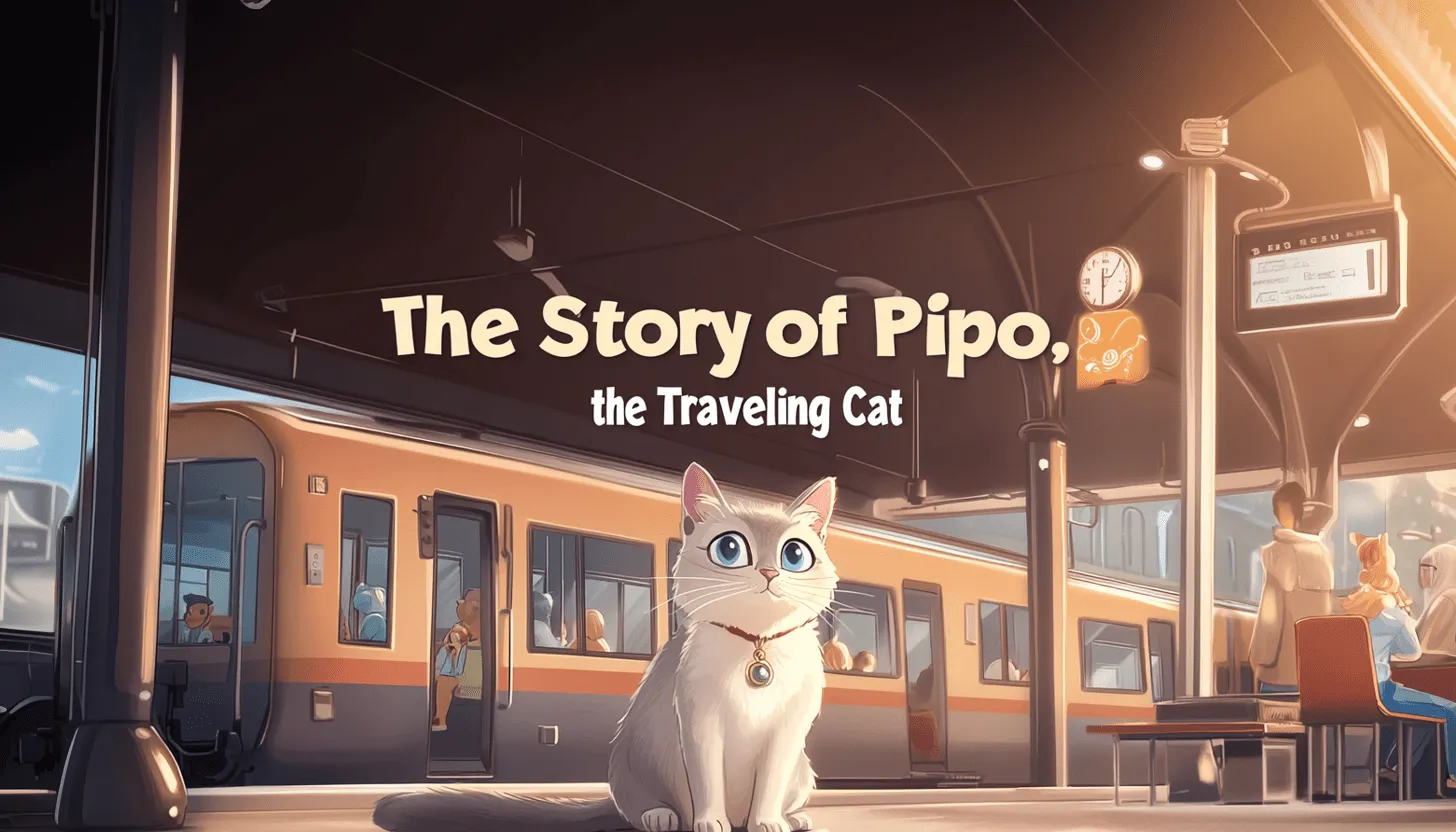
True independence is born of curiosity—that spark that pushes a child to want to see what's around the next corner. But that curiosity can be extinguished by fear if not properly trained. A story can be the map they need to navigate their own fears. Can you imagine a story where a little traveler journeys across the world simply by following their curiosity, learning that every place and every inhabitant has something to teach them about themselves?
Differences Between Support and Overprotection
There is a fine line between caring for a child and stifling their development. Support involves being there when they need us, while overprotection involves doing for them what they could do with a little effort. Psychology calls this 'scaffolding': we withdraw help as the child's competence increases. Traditional fairy tales already spoke of this: heroes often must leave home to find their destiny. It's not that their parents don't love them; it's that they must grow.
Overprotection Models
- Avoiding any risk or frustration
- Resolving all their social conflicts
- Making all decisions for them
- Implicit messages of 'you'll get hurt,' 'you don't know how'
Autonomy Models
- Allowing controlled risks and failures
- Equipping them with communication tools
- Offering limited choices to pick from
- Messages of 'you can do it,' 'I'm here if you need me'
The Neuroscience Behind Making Decisions
When a child makes an autonomous decision, their brain activates the prefrontal cortex—the area responsible for judgment, planning, and impulse control. This exercise of 'own will' strengthens the neural connections that will define their leadership and self-management capacity in adult life. Stories, by presenting ethical and action dilemmas, force the child to perform mental simulations of these executive functions. Every time a child thinks 'I would do X' in the face of a character's problem, they are strengthening their neural musculature of autonomy.
Key Catch
Children who enjoy autonomy in their home environment (simple chores, choosing clothes, etc.) tend to show more advanced language development and a greater capacity for logical problem-solving.
Stages of Autonomy Development
Autonomy doesn't arrive all at once; it is a constant evolution that adapts to the child's motor and cognitive abilities. It is fundamental that the stories we read are suited to these stages to avoid excessive frustration or boredom. A 3-year-old needs stories about daily routines where the protagonist achieves something physical, while a 9-year-old needs moral dilemmas where independence is played out in the realm of identity and personal values.
| Age Range | Autonomy Milestone | Story Theme |
|---|---|---|
| 2-4 years | Toilet training and feeding | Stories about the body and routines |
| 5-7 years | Social bonding and school autonomy | Stories about friendship and the first day of school |
| 8-10 years | Decision-making and own values | Tales of adventure, mystery, and ethical dilemmas |
| 11+ years | Construction of independent identity | Sagas with deep psychological evolution |
The Importance of Feeling 'Unique' to Be Independent
For a child to want to be autonomous, they must first understand what makes them special. Autonomy is born from identity: 'I am someone different from dad and mom.' If a child feels they are simply an extension of their parents, they will have no motivation to explore on their own. Stories that celebrate uniqueness and the search for one's own talent are essential in this phase. By recognizing themselves as possessing a 'gift' or a unique skill, the child feels a natural desire to put that skill to the test in the real world.
The Role of Error as a Teacher
We cannot talk about autonomy without talking about failure. In a society that penalizes error, we must turn the home into a testing lab. If a child breaks something while trying to help, or if they get too dirty while experimenting in the garden, our reaction will determine their future confidence. Stories offer us a safe distance to talk about failures: 'Look what happened to this character when they messed up, do you think it was the end of the world or did they learn something new?'. This normalization of error reduces anxiety and fosters boldness.
Any unnecessary help is an obstacle to development. The child needs freedom to choose, to make mistakes, and to correct themselves.
Life Skills: The Invisible Training
We often think of autonomy as something intellectual, but it also has a technical basis. Learning to handle tools, understand how things work, or invent solutions is part of feeling in charge of one's own life. Stories that present inventors, creators, or problem-solvers empower a child to see their environment not as something given and immovable, but as something that can be shaped by their ingenuity. When a child sees a protagonist inventing their own stars, they start to look at their own toy box with the eyes of an architect.
As we see in the indicators above, autonomy doesn't just affect physical independence; it is the motor of intellectual curiosity and emotional security. A child who feels capable is a child who dares to ask, to investigate, and to defend their ideas. At **BuboBoo**, we select our stories precisely to serve as fuel for this inner motor. We don't just seek to entertain, but to equip every little listener with the conviction that their voice is important and their hands can change their reality.
Final Recommendations for Parents and Educators
Fostering autonomy requires, above all, time. Time to let them dress themselves even if we're running late, time to listen to their explanations even if they're long, and time to read together and debate. It is not a straight path; there will be days of setbacks and renewed fears. Be patient with yourself and with your child. Remember that every page you read is one more brick in the cathedral of their personal confidence. At the end of the day, the best gift you can give them is not a path without stones, but a backpack full of tools and the certainty that they are capable of walking it.
We invite you to explore our library and choose a story today that speaks of courage, ingenuity, or personal quest. Perhaps today is the day your little explorer decides to take that step that was so hard for them, inspired by the words and worlds you've shared. Because, in the end, the greatest adventure of all is that of growing up being yourself.
| Skill | Recommended Story | Key Lesson |
|---|---|---|
| Physical Independence | The Story of Pipo, the Traveling Cat→ | The world is a fascinating place to discover |
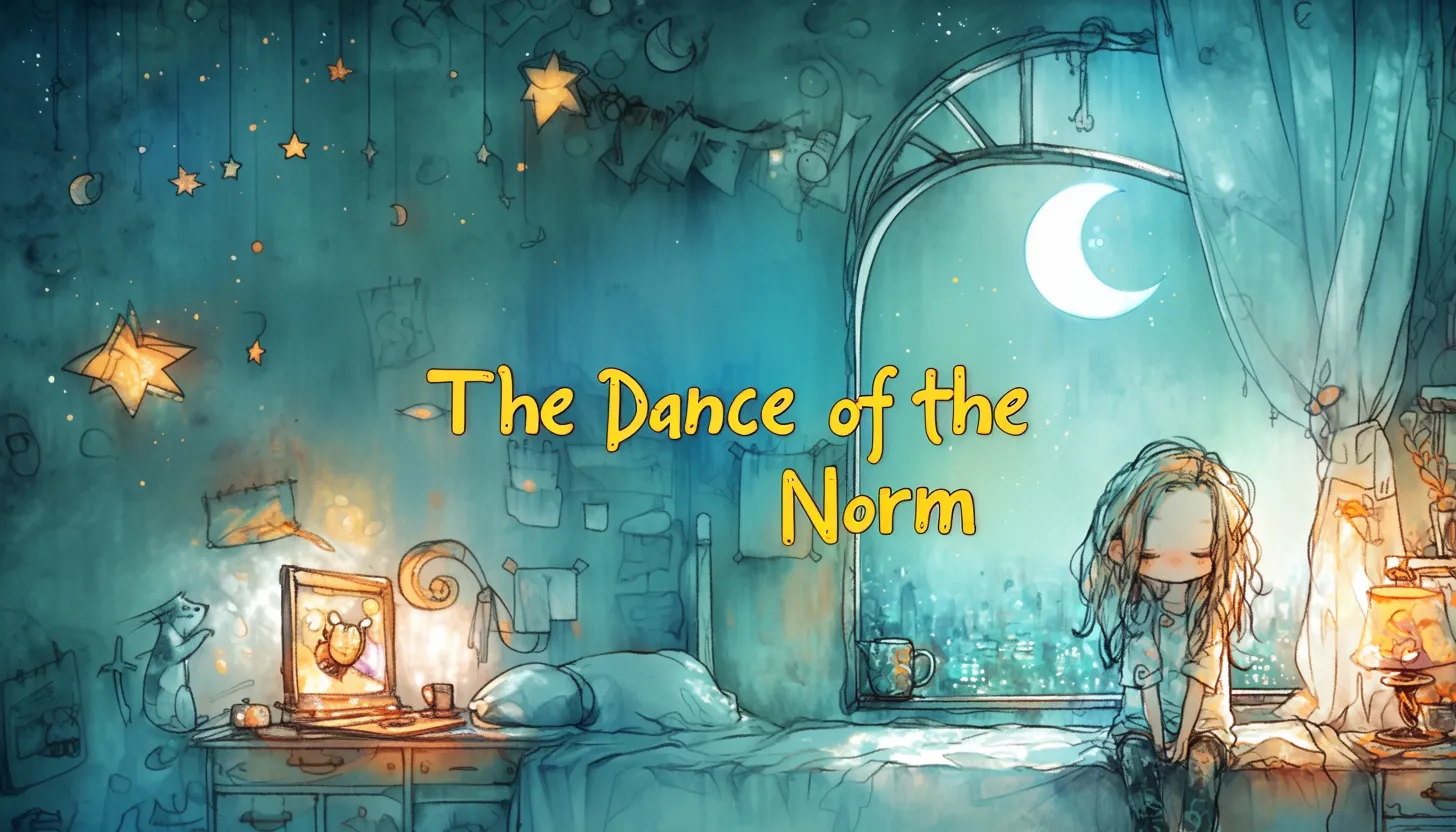
| Self Confidence | The Dance of the Norm→ | Being small doesn't stop you from achieving great things |
| Creativity & Solutions | The Story of Pipo, the Traveling Cat→ | Your mind is the most powerful tool |
| Determination | The Dance of the Norm→ | Your dreams set the pace of your growth |
| Dream Exploration | The Story of Pipo, the Traveling Cat→ | Your ideas can create entire worlds |