


Does Your Child Feel Lonely? Stories to Overcome Loneliness and Foster Social Inclusion
Discover how stories transform childhood loneliness into connection, teaching children to build friendships and feel part of a community.
Childhood Loneliness: A Modern Emotional Challenge
Loneliness is one of the most painful emotions a child can experience, and paradoxically, it's one of the least discussed in families. While parents quickly respond to cries of fear or frustration, the silent loneliness of a child who feels excluded or disconnected often goes unnoticed. However, research in child psychology shows that chronic childhood loneliness can profoundly impact self-esteem, social confidence, and even long-term mental health.
\nLoneliness doesn't always mean being physically alone. A child can be surrounded by classmates and still feel deeply lonely. It can be the child who feels different, who doesn't fit into dominant groups, or simply one who struggles to make friendships. In an increasingly digital and less physically connected world, these feelings of disconnection have become even more common.
\nThis is where stories to overcome loneliness become invaluable therapeutic tools. These narratives offer something profound: validation that feeling lonely is human, evidence that others have felt the same, and most importantly, models of how to build genuine connections and find where you belong.
The Different Faces of Childhood Loneliness
Childhood loneliness takes many different forms. There's the shy child who wants friendships but doesn't know how to initiate them. There's the child who feels different—perhaps by appearance, interests, cultural background, or a disability—and fears rejection by others. There's the child who was excluded from a friend group, left feeling betrayed and abandoned. And there's the child who simply can't find others who share their interests or values.
\nEach type of loneliness requires a different approach. A story that helps the shy child find courage to approach others might not work for a child being bullied. The best stories to overcome loneliness and foster inclusion are those that recognize the diversity of lonely experiences and offer multiple pathways toward connection and belonging.
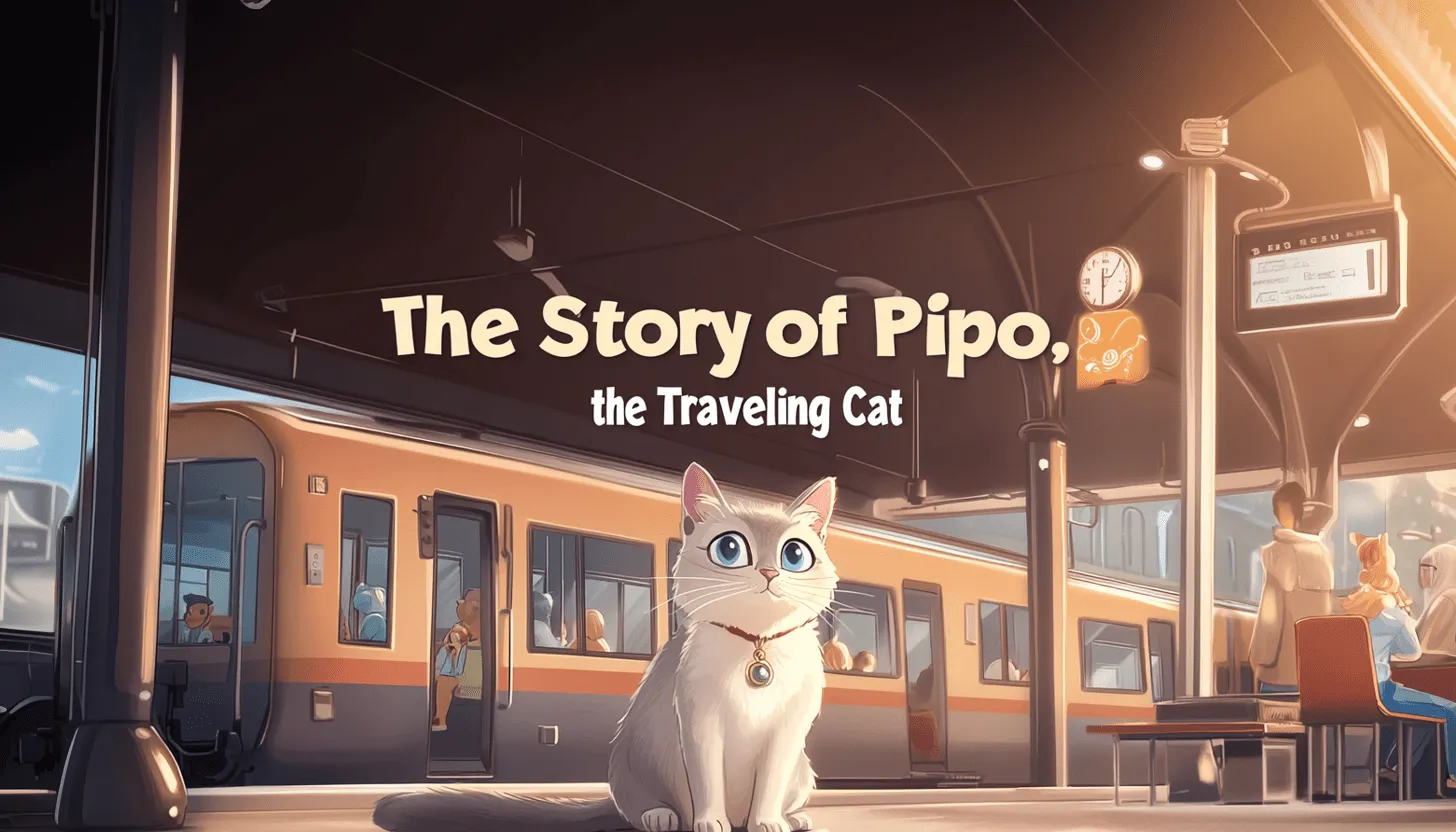
How Stories Transform the Narrative of Loneliness
When a lonely child hears a story where the protagonist also feels lonely, something revolutionary happens: they feel seen. They're not being judged or fixed, simply understood. This validation is the first step toward healing. The child learns that loneliness is not a personal deficiency, but a universal human experience.
\nBut stories to overcome loneliness go beyond validation. They show how lonely characters take small, often frightened, actions to connect with others. They show how mistakes happen in friendships, and how those mistakes don't mean the end, but opportunities to learn and grow. They show how sometimes friendship comes from unexpected places—from someone else who didn't fit in, from someone considered strange, from someone who also knew what it felt like to be lonely.
\nThrough these narrative models, lonely children begin to construct a different vision of their future. They stop seeing themselves as permanently excluded and start seeing themselves as searching for their tribe, their people, their community of belonging.
The Medicine of Seeing Yourself Represented in Stories
One of the greatest powers of stories to overcome loneliness is when a child sees their own experience reflected in the pages. The child who feels different reads about a character who also feels different. The child who was excluded reads about a character who learned to shine without needing external approval. The introverted child reads about a character who built deep, meaningful friendships with few friends rather than many superficial ones.
\nThis representation is healing because it helps children understand that their experiences are valid, their feelings are legitimate, and their stories deserve to be told. Many lonely children grow up believing something is wrong with them. Stories that reflect their reality offer an alternative truth: nothing is wrong with you; you're on the path toward finding your people.
\nPsychology has a term for this: "normalization through narrative." When we read that others have felt what we feel, our experience becomes normalized. We stop seeing it as pathological and start seeing it as part of the human journey.
Building Connection Skills Through Stories
Beyond emotional validation, stories that foster social inclusion teach practical connection skills. They show how a shy character learns to start a conversation. How someone who feels different finds courage to show themselves as they are. How an excluded child learns not to internalize others' rejection as truth about themselves.
\nThese stories model empathy in both directions: they not only help the lonely child understand how to connect, but also teach potential friends to notice and be kind to those who are lonely. A story showing a popular child learning to include the excluded is a powerful tool in building a school culture of belonging.
\nResearch in emotional intelligence shows that children raised with stories celebrating diversity and inclusion develop greater empathy, better ability to see different perspectives, and lower tendency toward bullying. These stories are literally educating a more compassionate generation.
Diversity as a Bridge Toward Belonging
Some children feel lonely precisely because they feel different—perhaps by race, religion, ability, family structure, or unconventional interests. Stories to overcome childhood loneliness that embrace and celebrate this difference are especially powerful. These narratives send a clear message: your difference is not an obstacle to belonging; it's exactly what allows you to find your true tribe.
\nA story about a character with a disability building deep friendships, or a character from a non-traditional family discovering there are many other families like theirs, or a character with "weird" interests finding others passionate about the same thing—these stories transform the narrative of difference from "something that isolates me" to "something that connects me with my people."
\nWhen parents read these stories with diverse children, they're also legitimizing their children's unique experiences. They're saying: "Your story matters. Your experience is valuable. The world needs people like you."
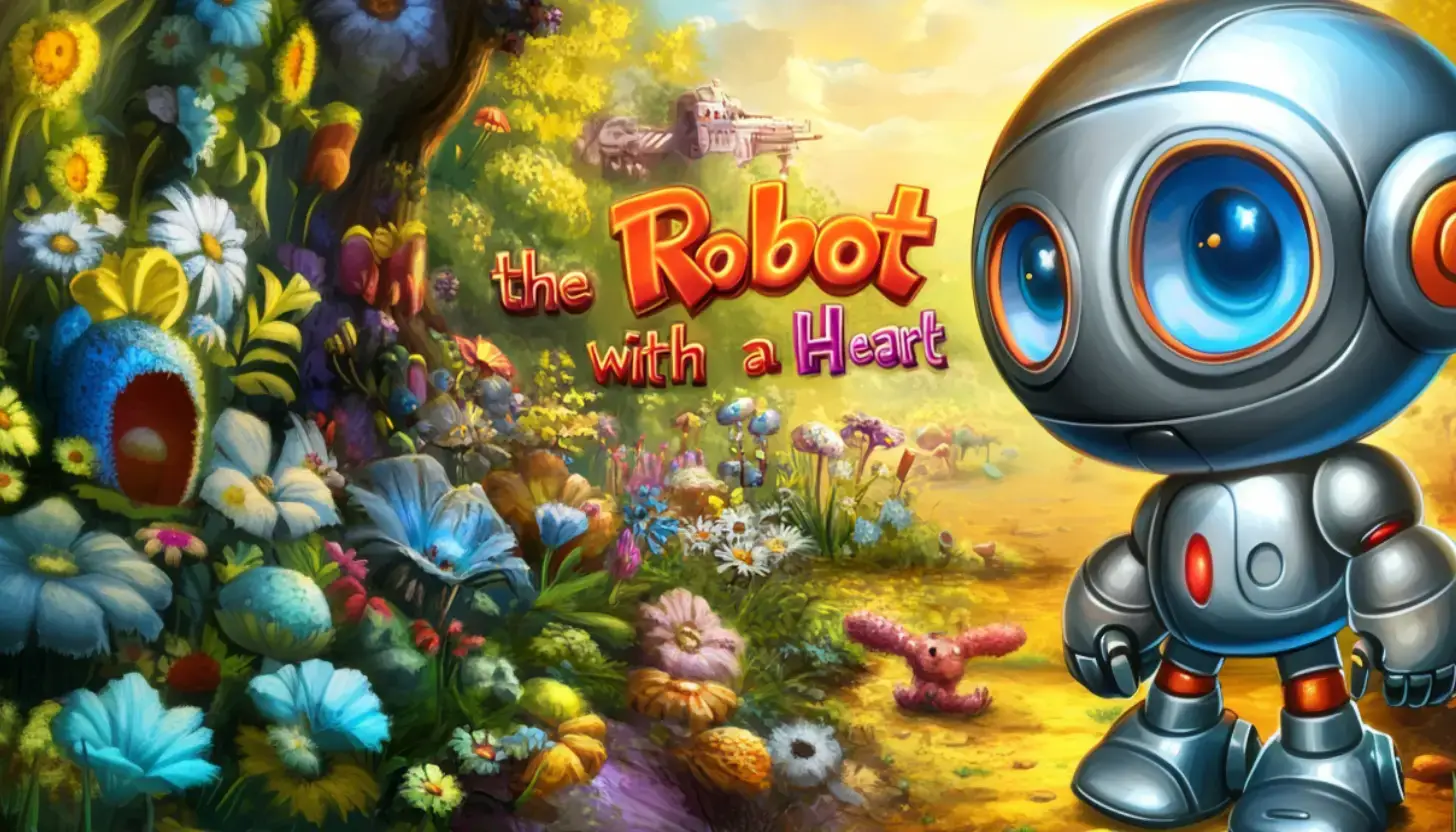
Strategies for Using These Stories at Home
If you notice your child struggling with loneliness, stories to overcome loneliness can be a transformative tool. Here are specific strategies to maximize their impact:
\n1. Read without preaching: Present the story as entertainment, not as "medicine" for loneliness. If your child feels you're trying to "fix" them, they might disconnect from the message. Let the story speak for itself.
\n2. Allow pauses for reflection: After significant moments in the story, pause and ask: "How do you think the character feels right now?" or "Have you ever felt like that?" Don't push for answers; simply open the space.
\n3. Normalize loneliness: Share your own experiences of feeling lonely. "When I was young, I sometimes felt like I didn't fit in. I thought something was wrong with me. Now I know I was on the path toward finding my people." This vulnerability is powerful.
\n4. Celebrate small social steps: If your child takes a small social risk—says something in class, invites a classmate to play, dares to show an unconventional interest—celebrate explicitly. "I saw you be yourself. That took a lot of courage."
\n5. Seek communities, not just friends: Help your child find their tribe—a chess club, a theater group, a community of fans of their favorite video game. Sometimes friendship comes from community, not school.
From Loneliness to Belonging: A Journey of Transformation
Childhood loneliness is not a problem parents can simply solve. But stories that foster social inclusion offer something almost as valuable: an emotional compass. They show children that loneliness is not permanent, that belonging is possible, that the world contains their people, and that the journey toward finding them, though sometimes difficult, is the most important one they can undertake.
\nChildren who grow up with these stories—seeing themselves reflected in characters who also felt lonely, observing how those characters found their place and their people—internalize a fundamental truth: the journey from loneliness toward belonging is a normal part of being human, and every person has the power to undertake it.
\nA parent who dedicates time to reading stories about inclusion and belonging with their child is doing much more than offering entertainment. They're building emotional bridges, validating experiences, modeling empathy, and sowing seeds for a life where loneliness will be occasional rather than permanent, where belonging will be real, and where the child will know, deep in their being, that there has always been a place for them in the world.