The Impact of Personalized Stories on Childhood Identity: A Deep Guide
Explore how narrative personalization strengthens self-esteem and the construction of the 'self' in children. Discover techniques and a wide selection of stories for this vital process.
The construction of identity is one of the most fascinating and complex processes of human development. During the first years of life, a child not only learns to walk or speak but begins to answer the fundamental question: 'Who am I?'. In this journey of self-discovery, the stories they hear act as mirrors and windows, allowing them to see themselves and explore the world from a secure base. When we introduce the element of personalization, this process accelerates and deepens in ways we are just beginning to understand from neuroscience and educational psychology.
Identity as a Personal Narrative
For a child, the border between fantasy and reality is extremely porous. Their identity is not a static list of traits, but a story in constant construction. By seeing themselves as protagonists of an adventure, they are not just listening to a story; they are rehearsing their role in life. Personalization removes the emotional distance that exists with generic characters, allowing the hero's virtues and achievements to be internalized as their own.
The Power of the Name
Hearing one's own name associated with acts of bravery, kindness, or ingenuity has a dopaminergic effect on the child's brain, reinforcing the neural connections related to self-efficacy.
Selection of Stories Based on Themes of Identity and Existence
To work on identity effectively, it is vital to select stories that address specific aspects of existence, self-image, and personal discovery. Using our internal cataloging system, we have selected the most impactful works for each facet of the development of the 'self':
| Dimension of Identity | Recommended Story | Pedagogical Focus / Lesson |
|---|---|---|
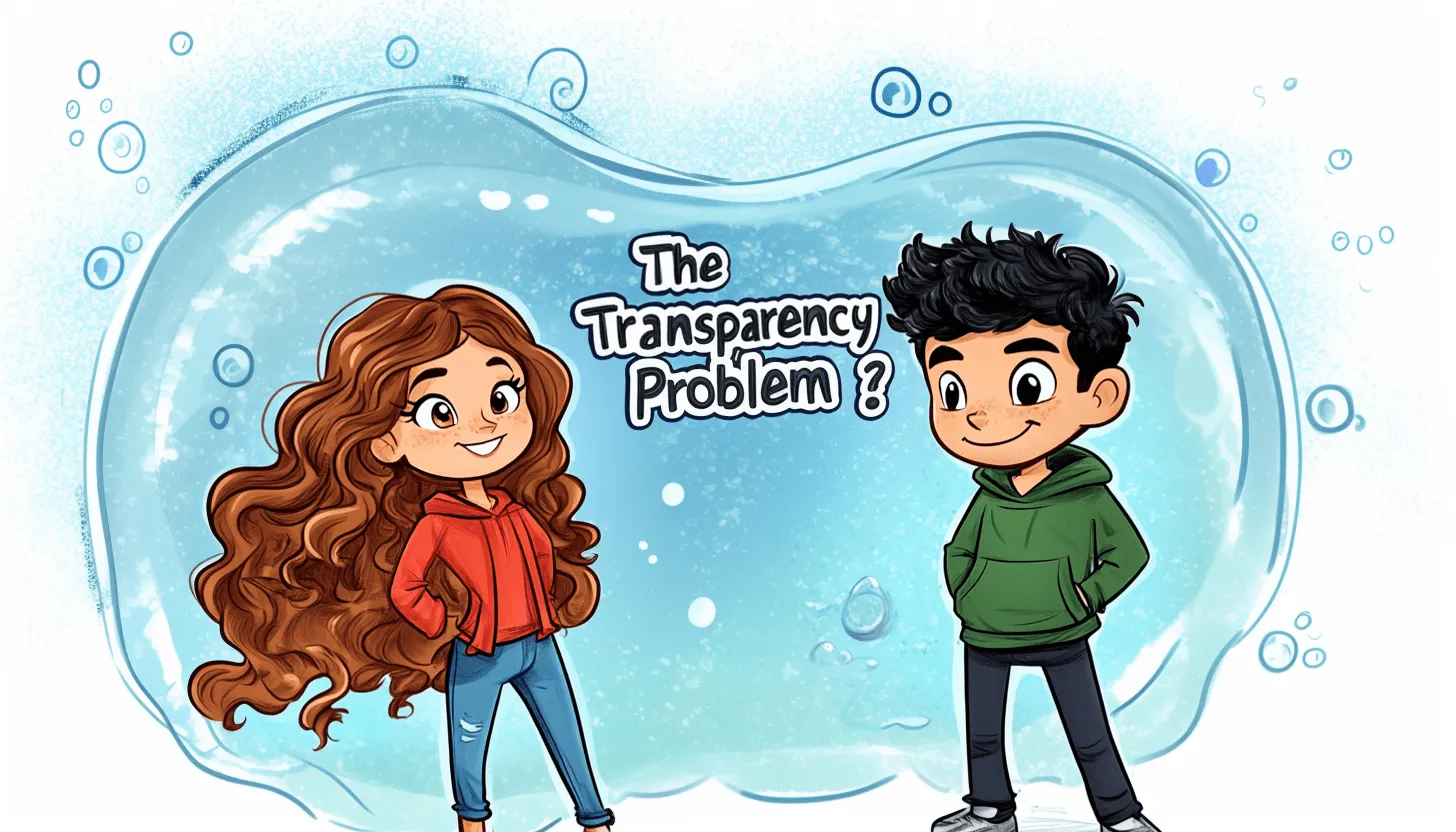
| Visibility and Belonging | The Transparency Problem→ | The vital need to be seen and valued for who we are. |
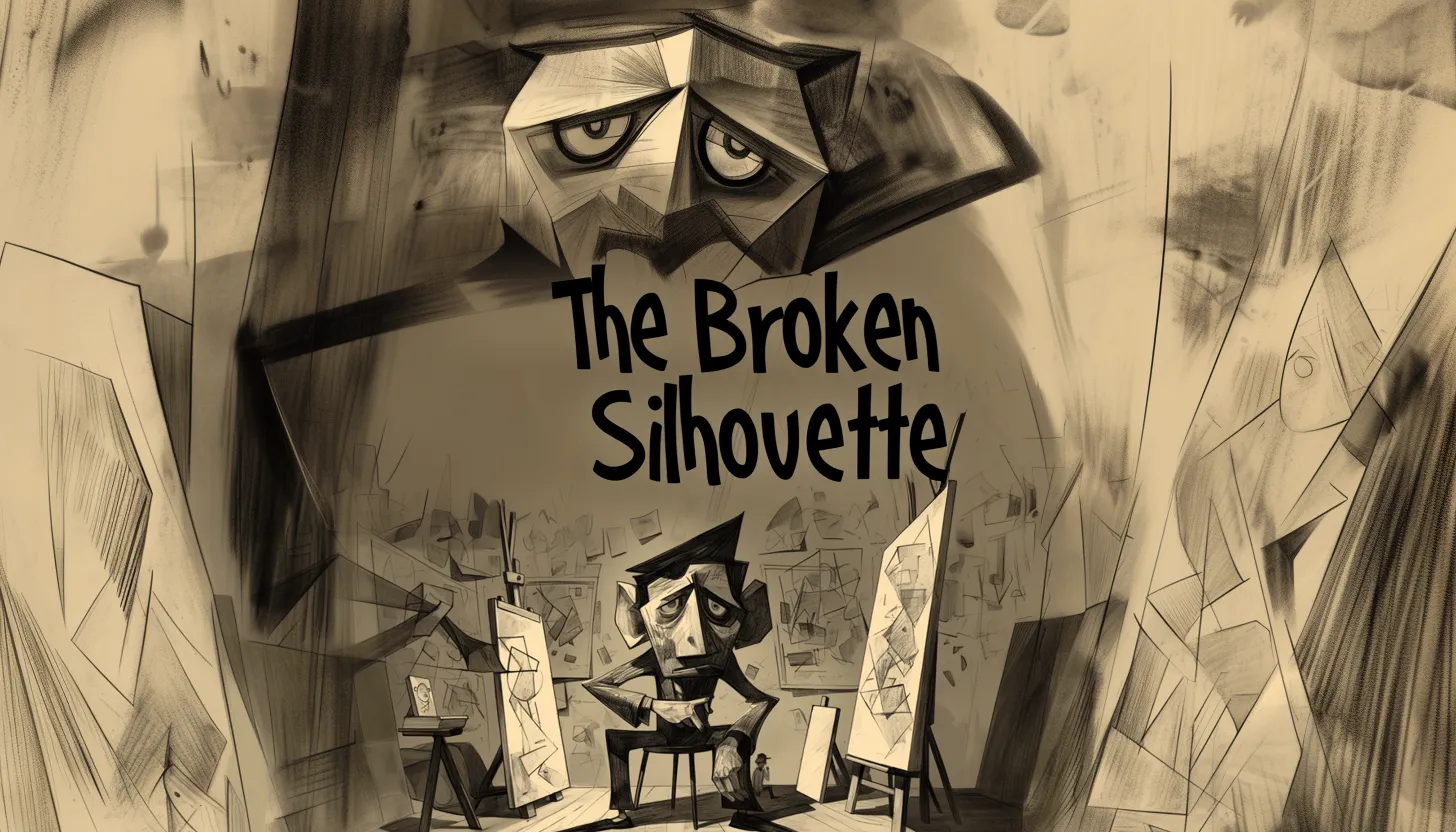
| Self-Image and Existence | The Broken Silhouette→ | Explores the integrity of being and how we perceive ourselves. |
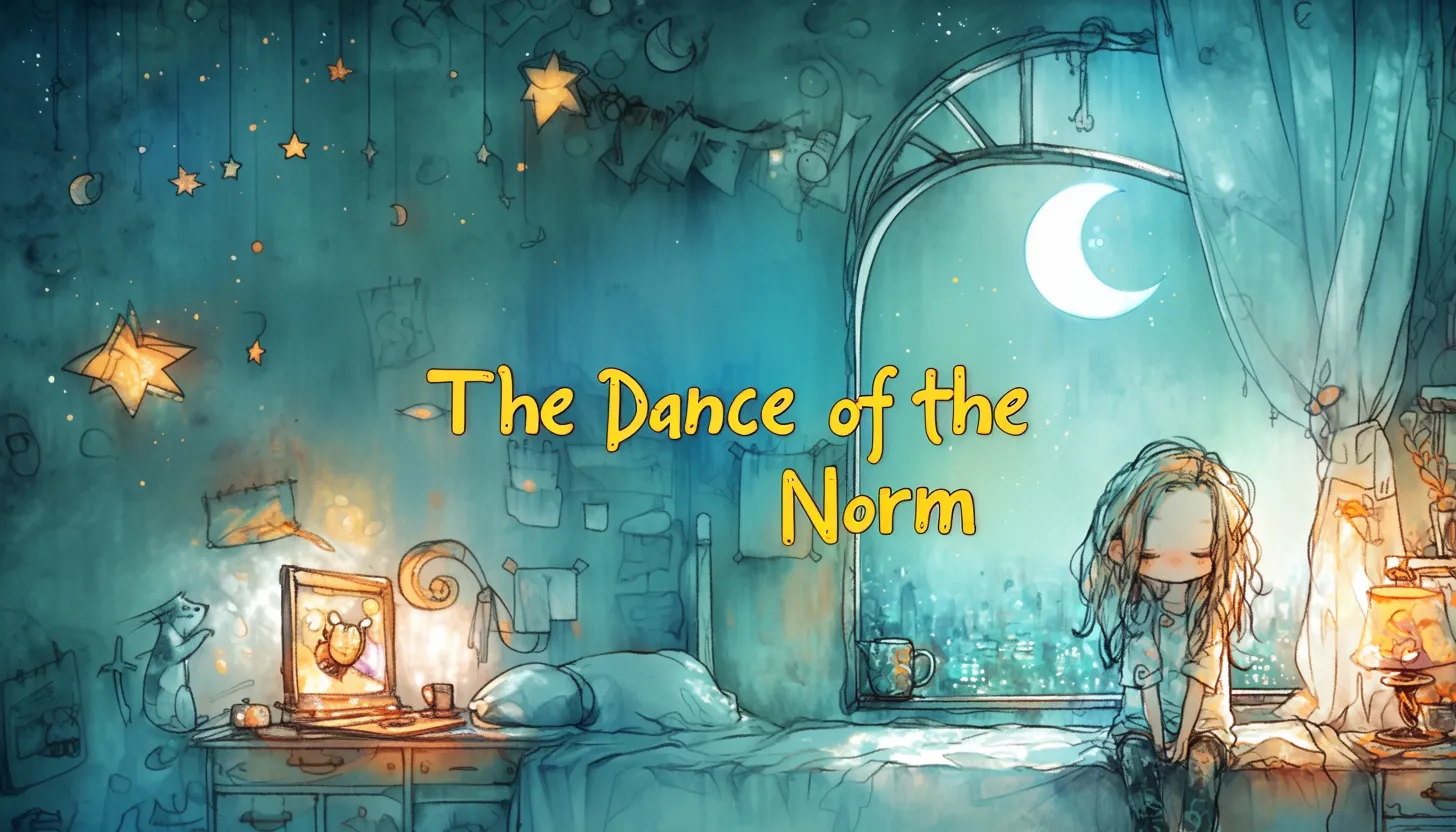
| Identity vs. Norms | The Dance of the Norm→ | How to maintain one's own essence in the face of external expectations. |
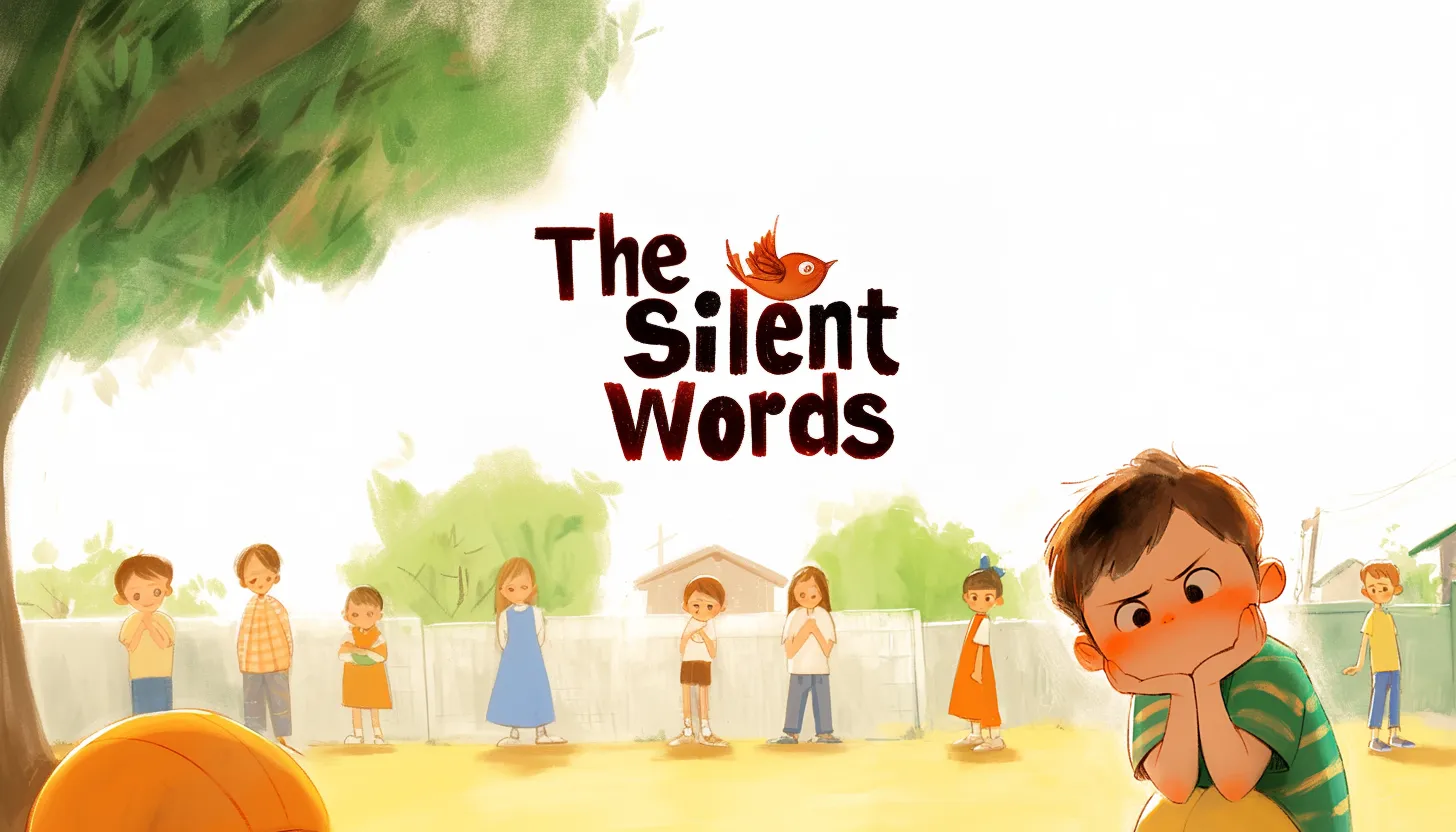
| Inner Voice and Emotion | The Silent Words→ | The importance of expressing feelings to validate one's own identity. |
| Accepting Uniqueness | A Very Normal Unicorn→ | Celebrating what makes us different as our greatest treasure. |
| Normality and Difference | A Very Normal Unicorn→ | Debunks the myth of normality to embrace individuality. |
| Identity and Overcoming | Flamerina: The Brave Water Drop→ | The courage to be oneself despite size or difficulties. |
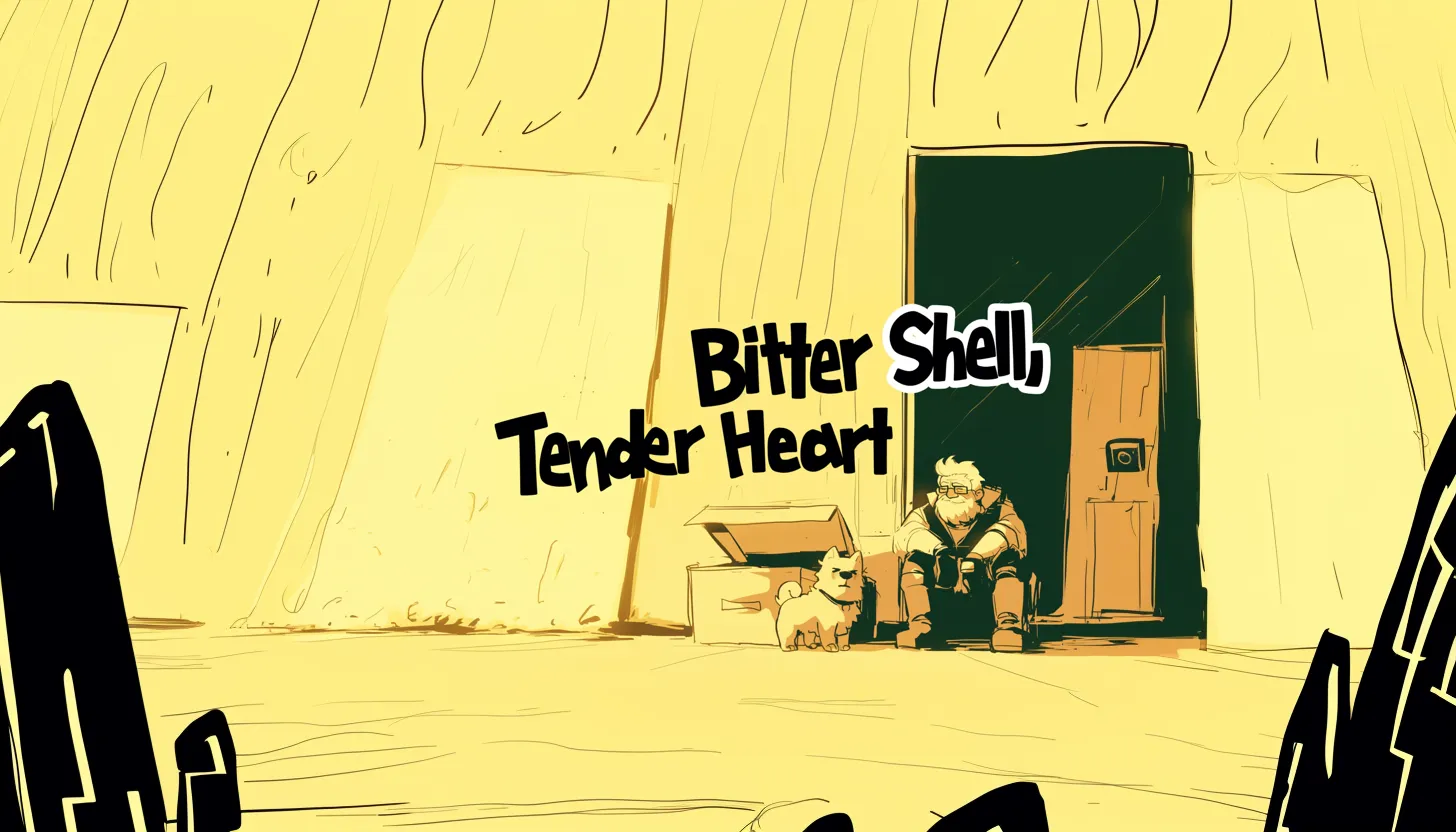
| Emotional Proprioception | Bitter Shell, Tender Heart→ | Discovering that our identity goes beyond our external appearance. |
The Neuroscience of Personal Narrative
Recent studies suggest that the 'mental simulation' that occurs during reading is much more intense when the information is self-referential. When the child is the protagonist, the medial prefrontal cortex is activated in a similar way to when they perform the action in the real world. This means that a personalized story about patience is, literally, neural training for being patient.
This phenomenon allows complicated topics to be addressed indirectly but effectively. For example, in stories that touch on existence like 'The Broken Silhouette' or social adequacy like 'The Dance of the Norm', the child can navigate existential conflicts without feeling threatened, as the narrative framework provides an armor of security.
Levels of Personalization in Children's Literature
- Superficial Personalization: Substitution of names and physical traits. Useful for initial engagement.
- Situational Personalization: Inclusion of the child's real environment (their home, friends, school). Reinforces the sense of reality.
- Emotional Personalization: Adaptation of the plot to address specific fears or desires of the child (as in 'The Light That Fades').
- Values Personalization: The story responds to the ethical decisions the child would make in real life.
How to Use Our Stories to Reinforce the 'Self'
At 'BuboBoo', although our recorded stories have protagonists with defined names, we encourage parents to use 'oral personalization' techniques to maximize the impact on child identity. Here's how:
The Identity Bridge
Before starting stories like 'The Feelingsmith', tell your child: 'Today we're going to listen to a story about someone who measures feelings, just like you do when you know if I'm happy or sad!'.
Climax Substitution
At moments of great achievement, whisper your child's name as if it were the protagonist's. This creates an indestructible bond of success.
Mirror Reflection
Use stories like 'The Broken Silhouette' to ask: 'What would your silhouette look like today? What colors would it have?'.
Validation by Analogy
If the child feels different or misunderstood, 'The Story of Golemin' is the perfect tool to validate their uniqueness.
The Family Bond and Personal Narration
Identity is not built in a vacuum, but in relation to others. The voice of a father or mother narrating a story is the first and most powerful validator of the child's existence. When that narrative centers on the child, the implicit message is: 'You are important, your story deserves to be told, and I am here to listen and celebrate it'.
Personalization is not just putting a name on a piece of paper; it is recognizing the unique soul of each child and giving them permission to be the hero of their own existence.
Long-Term Impact: Resilience and Self-Esteem
As children grow, the echoes of these personalized stories form their 'internal dialogue'. Stories from our 'Overcoming' section like 'The Finisher' or 'The Ends Reconstructor' help transform the perception of error into a necessary part of a learner's identity.
Even stories that seem purely educational or scientific contribute to identity. By seeing themselves capable of understanding complex concepts (as in 'The Adventure of the Star Cookie'), they develop an identity of 'capable' and 'curious', which is fundamental for future academic and personal success.
Conclusion
Personalized stories and literature focused on personal discovery are much more than entertainment. They are emotional engineering tools that help sculpt the identity of future generations. In an increasingly digital and generic world, giving our children the gift of seeing themselves reflected with love in stories is the greatest act of empowerment we can offer.
Encourage reading moments where the child is at the center, where their fears are validated (as in 'Boo! Oh No!') and their dreams celebrated (as in 'Brizolin'). Building a healthy identity today is ensuring a full adult tomorrow.