

Cuentos Recomendados
Short Horror Stories for Kids: Mysterious and Thrilling Tales
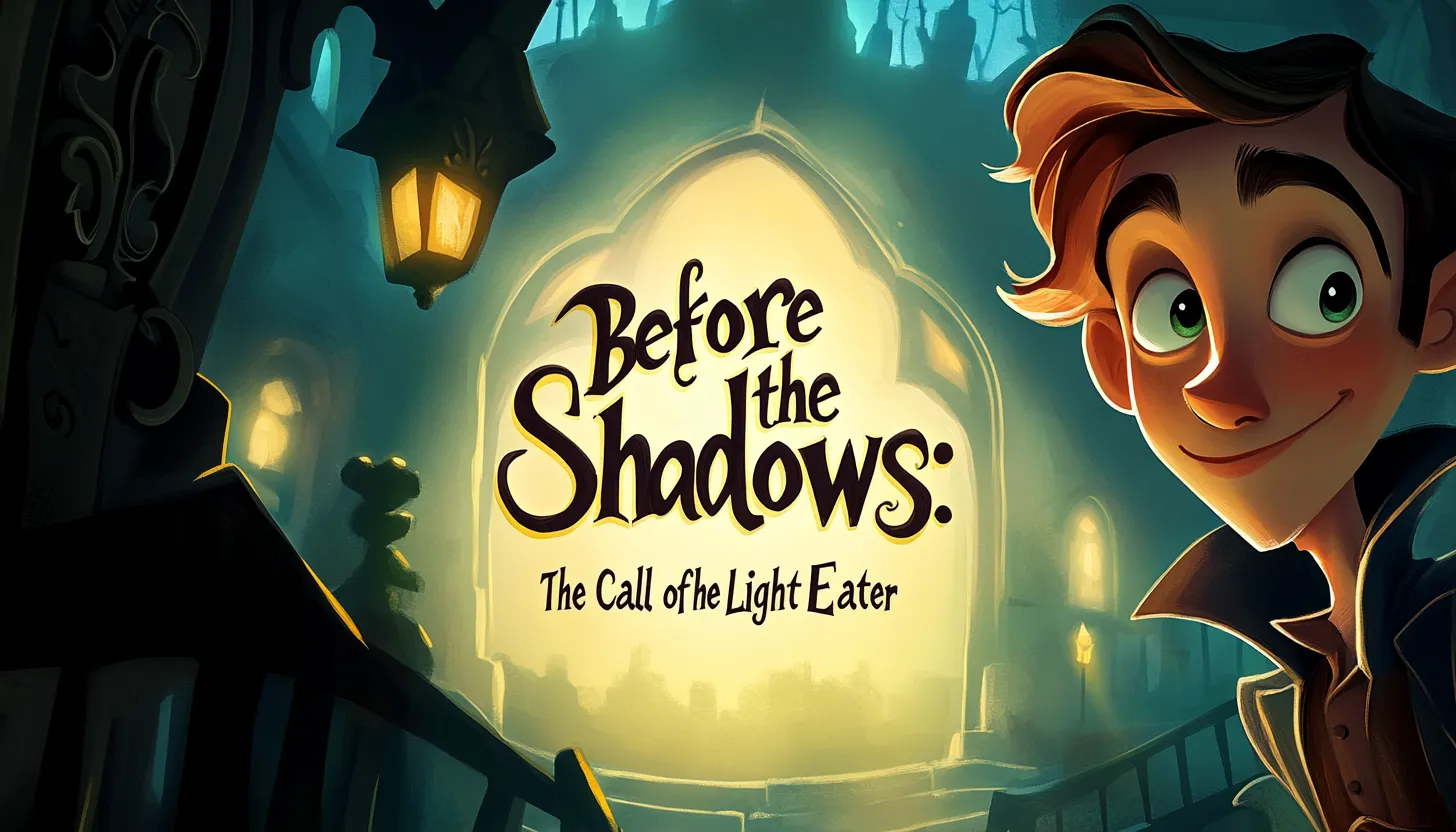
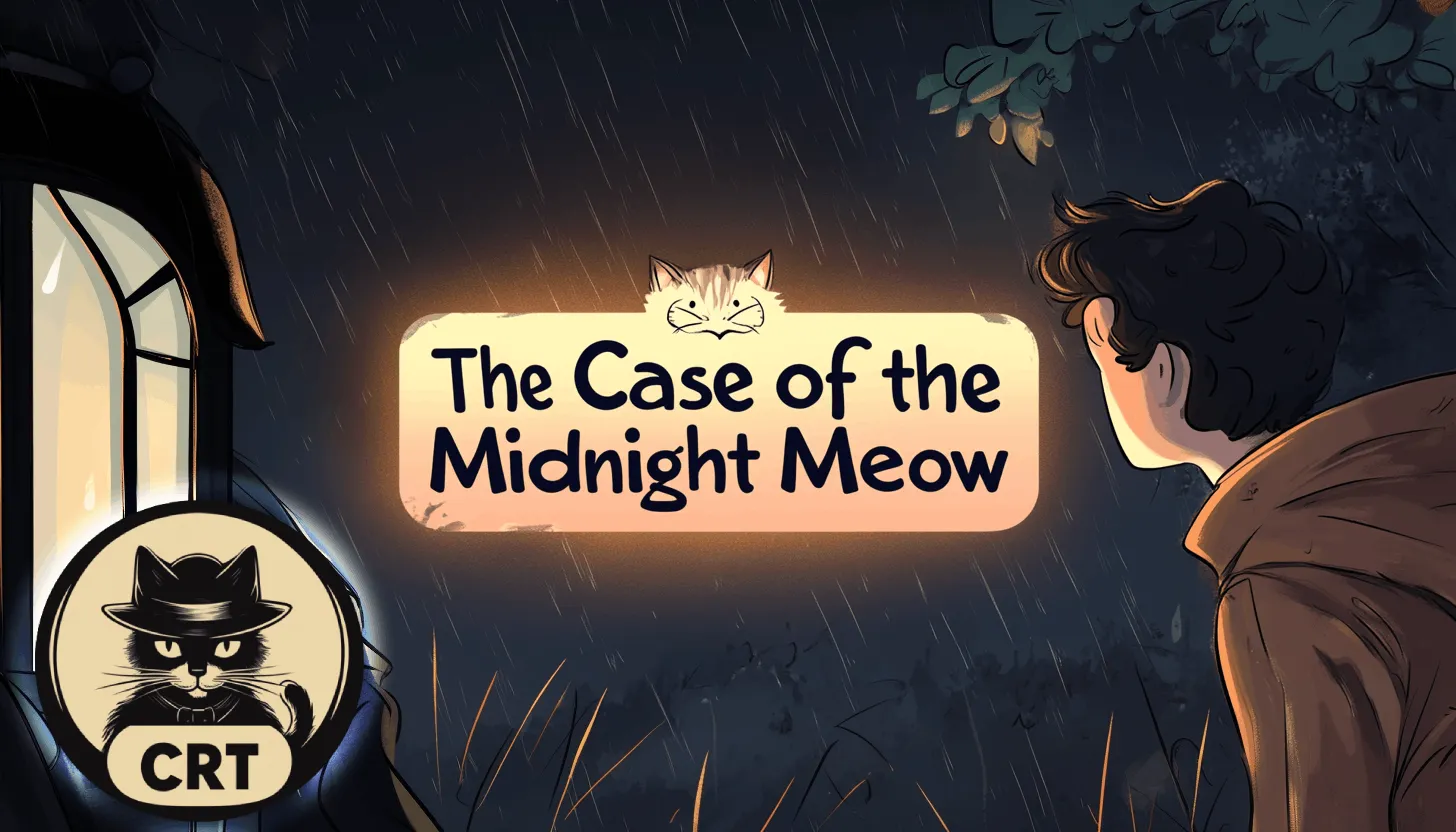
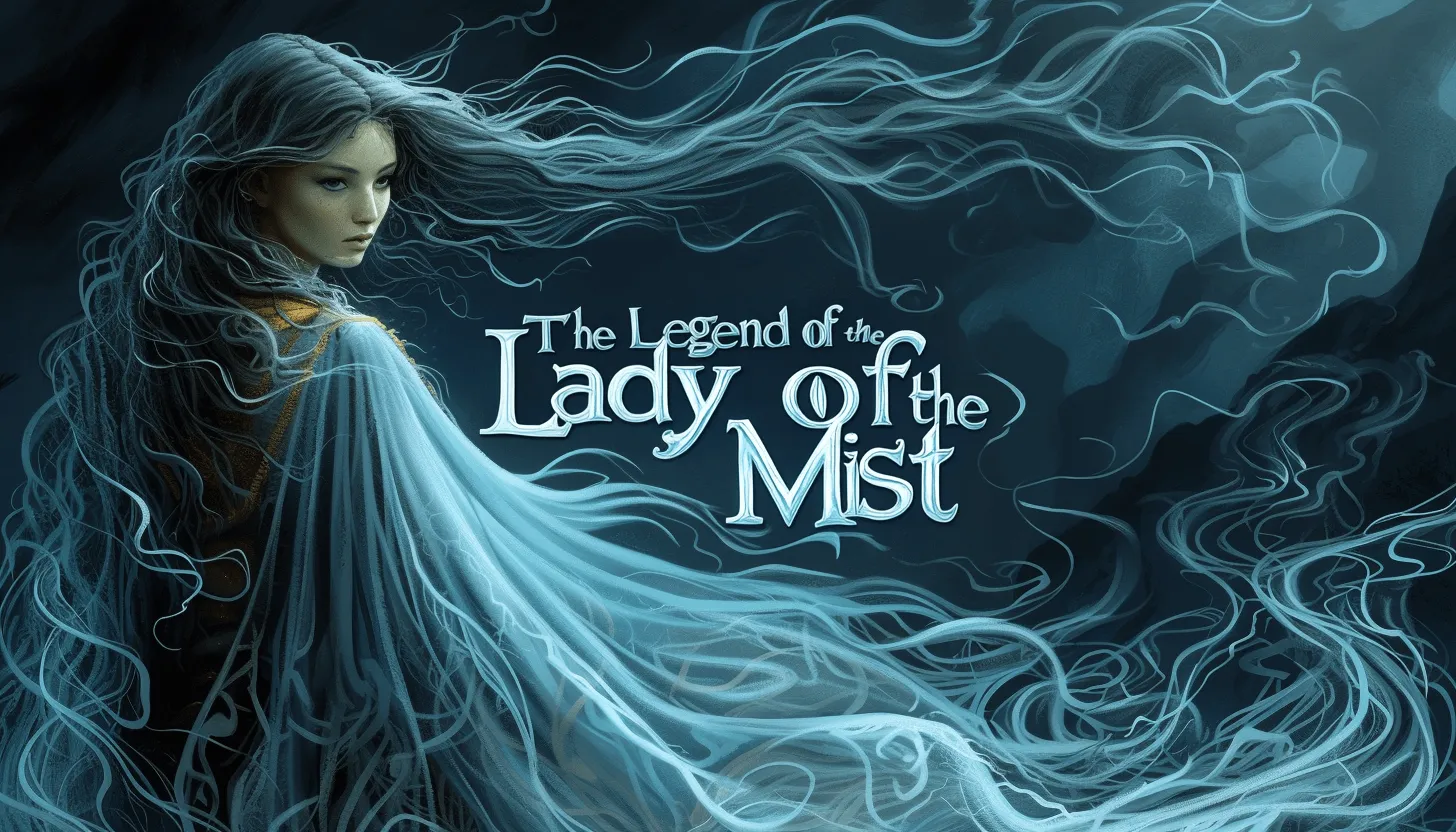
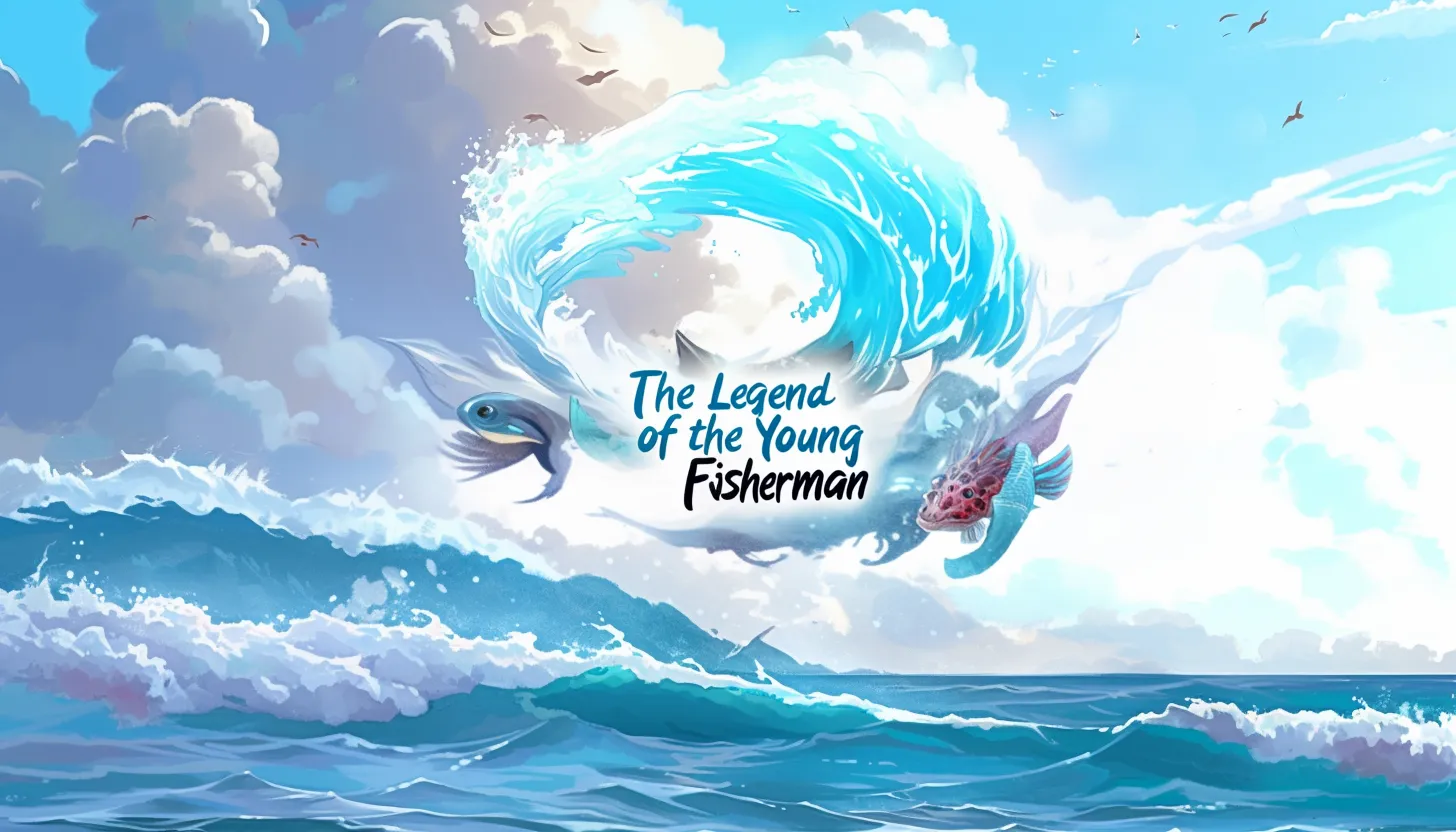
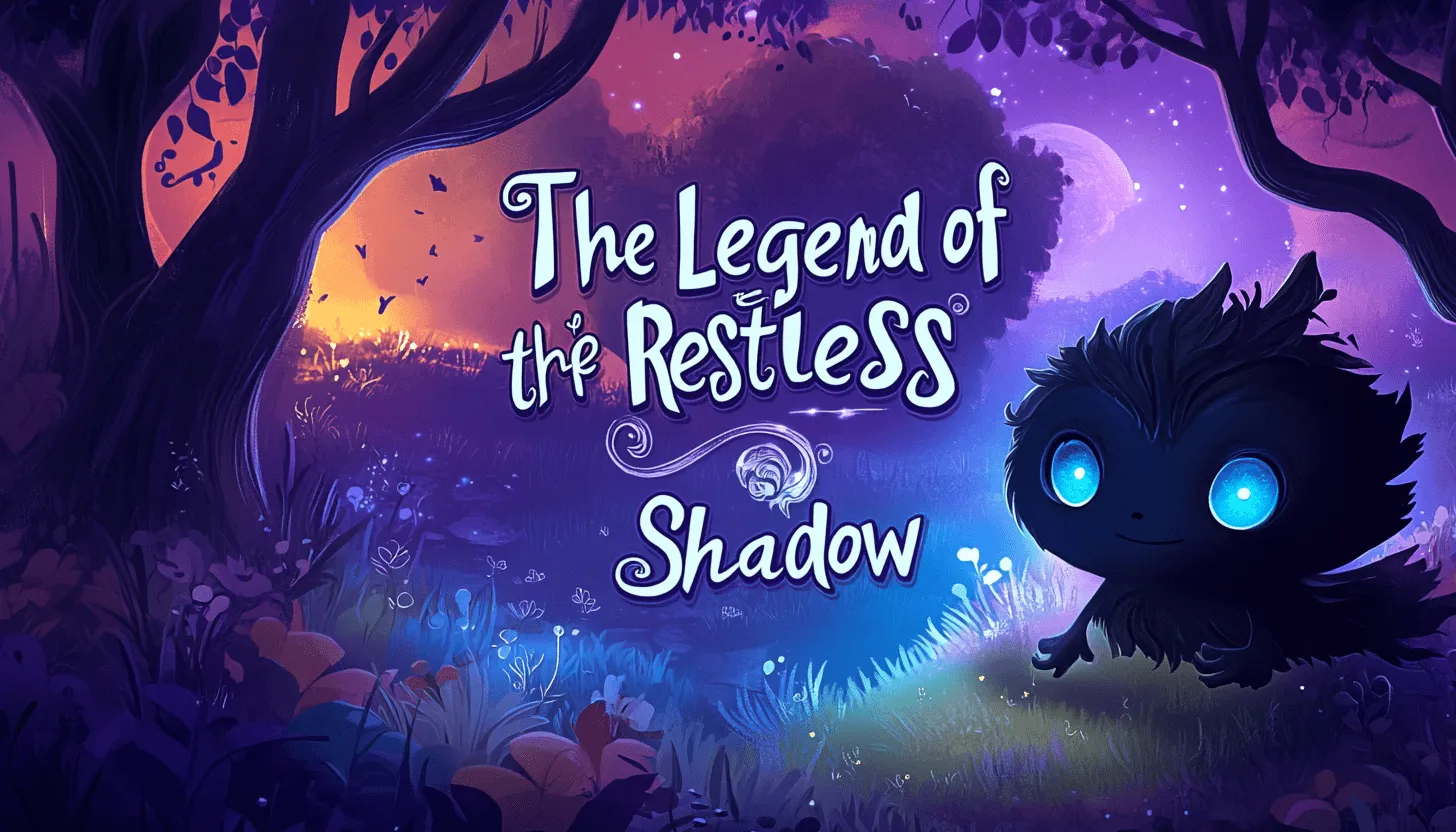
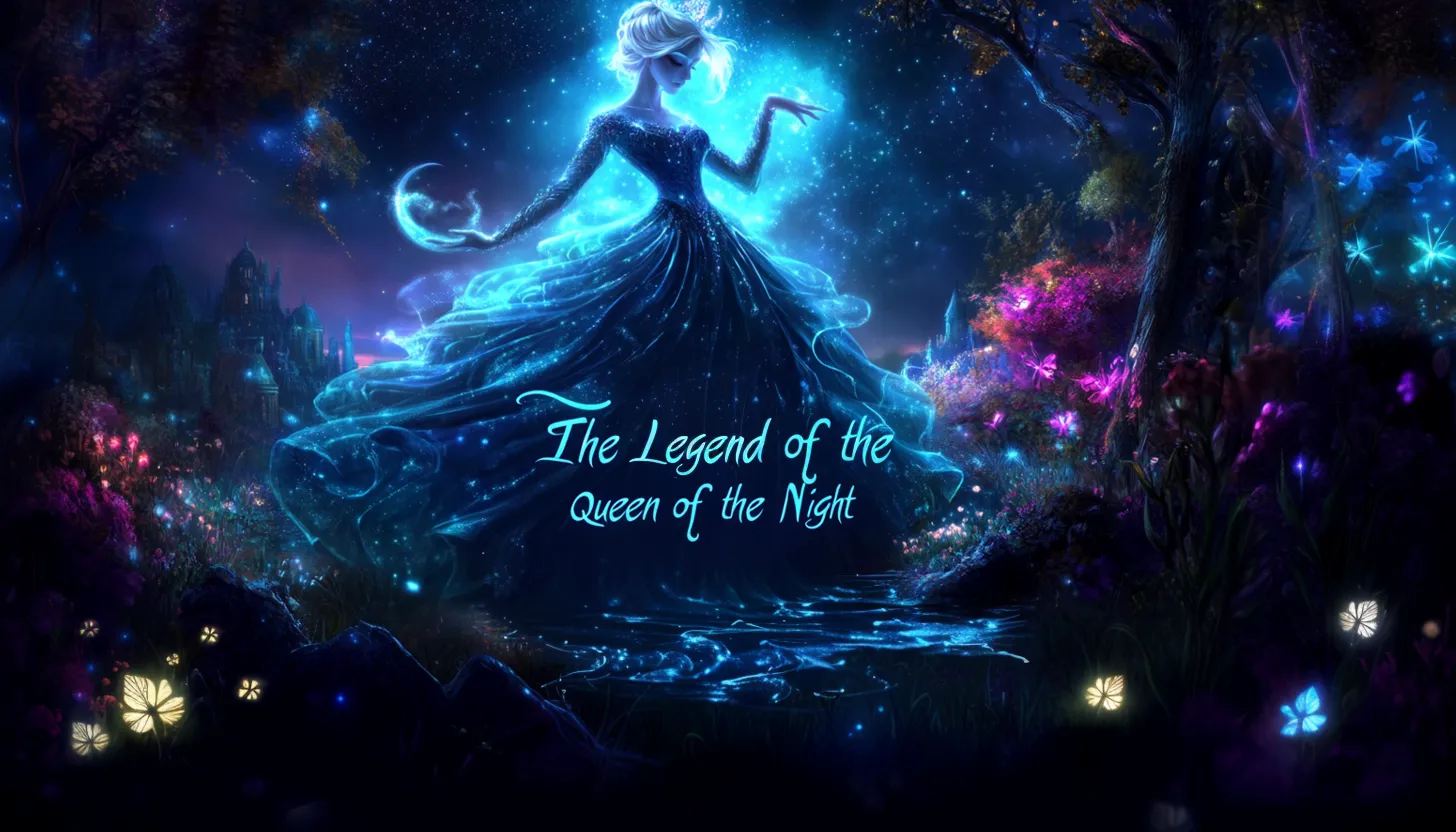
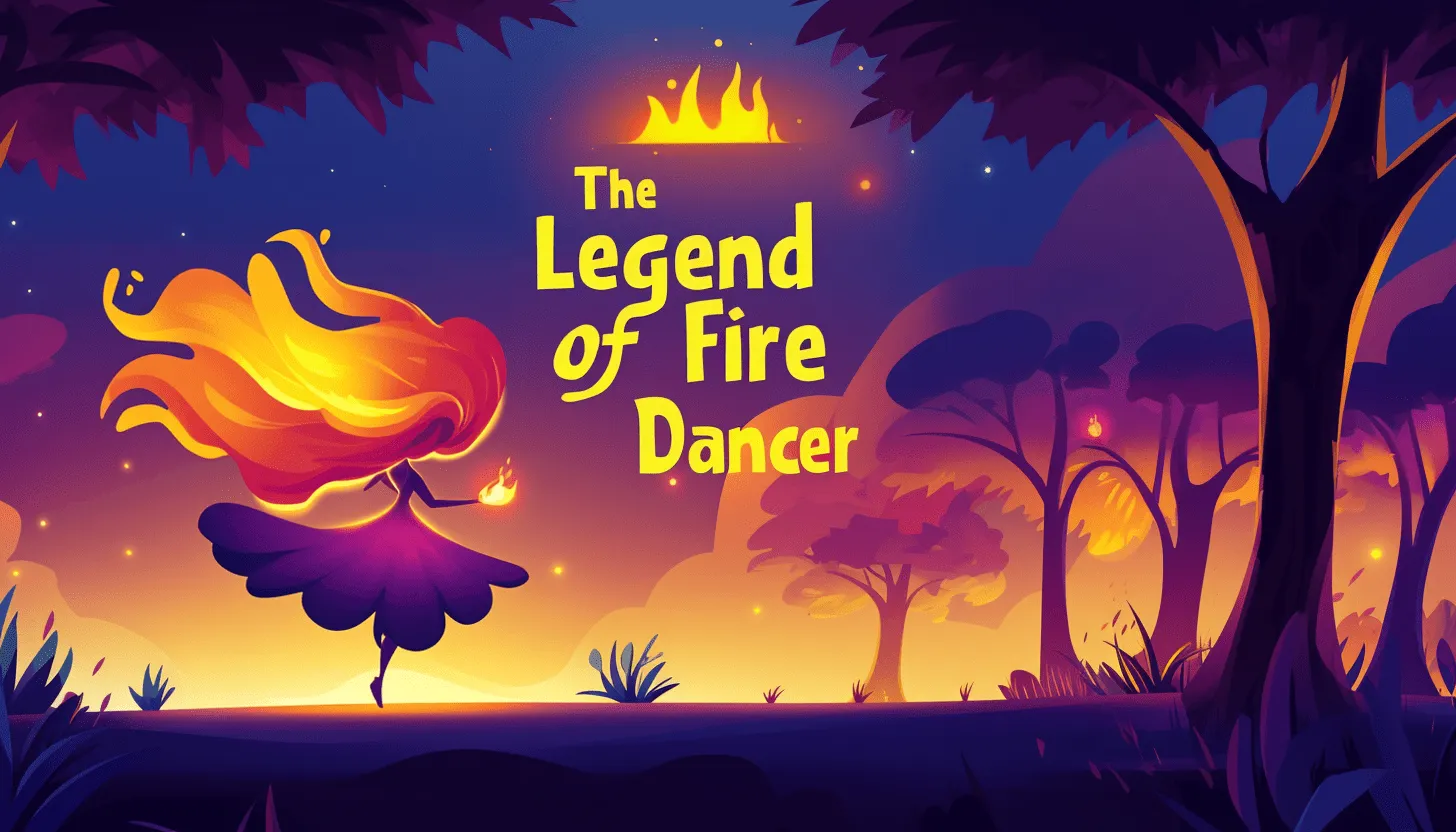
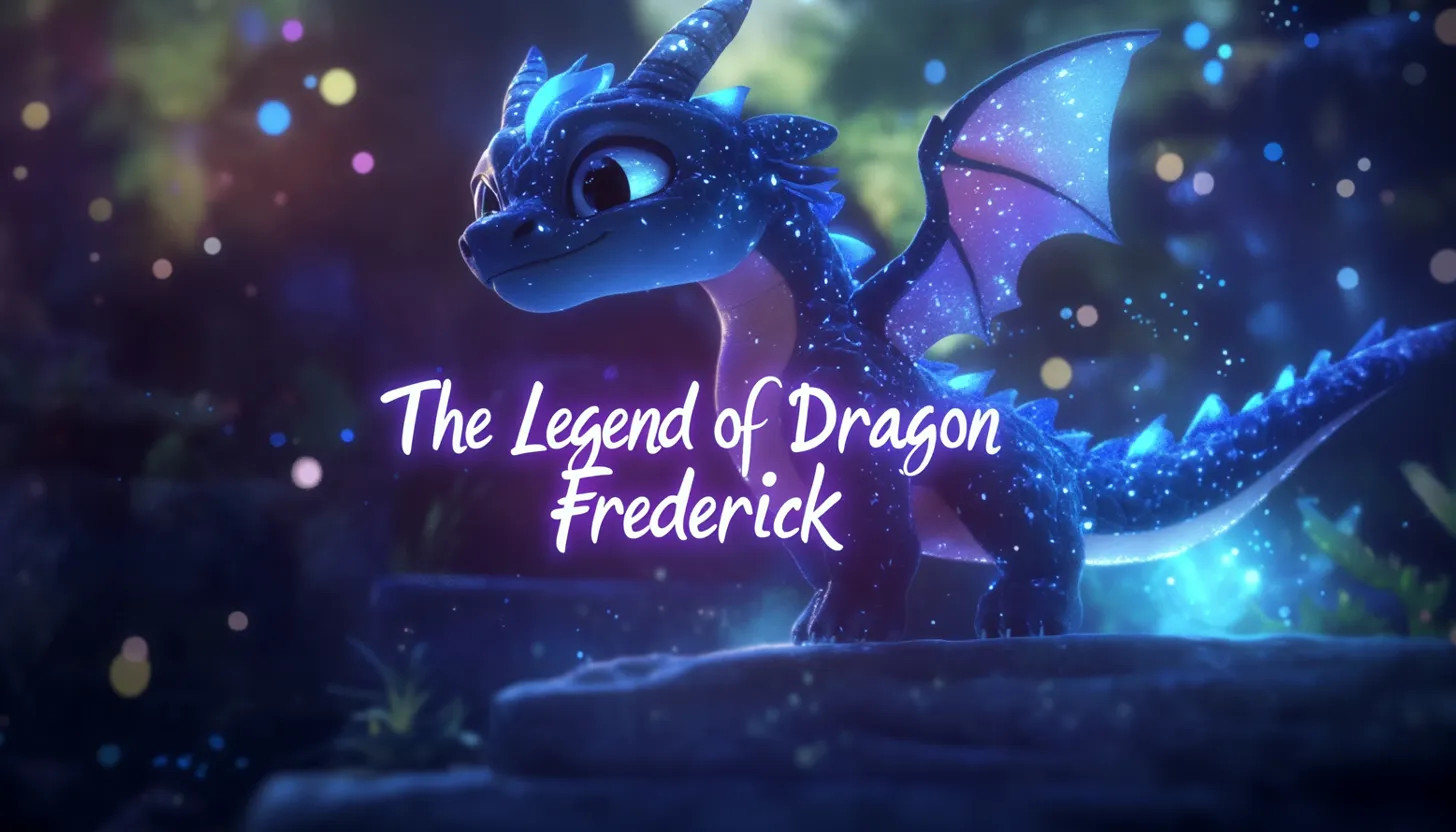
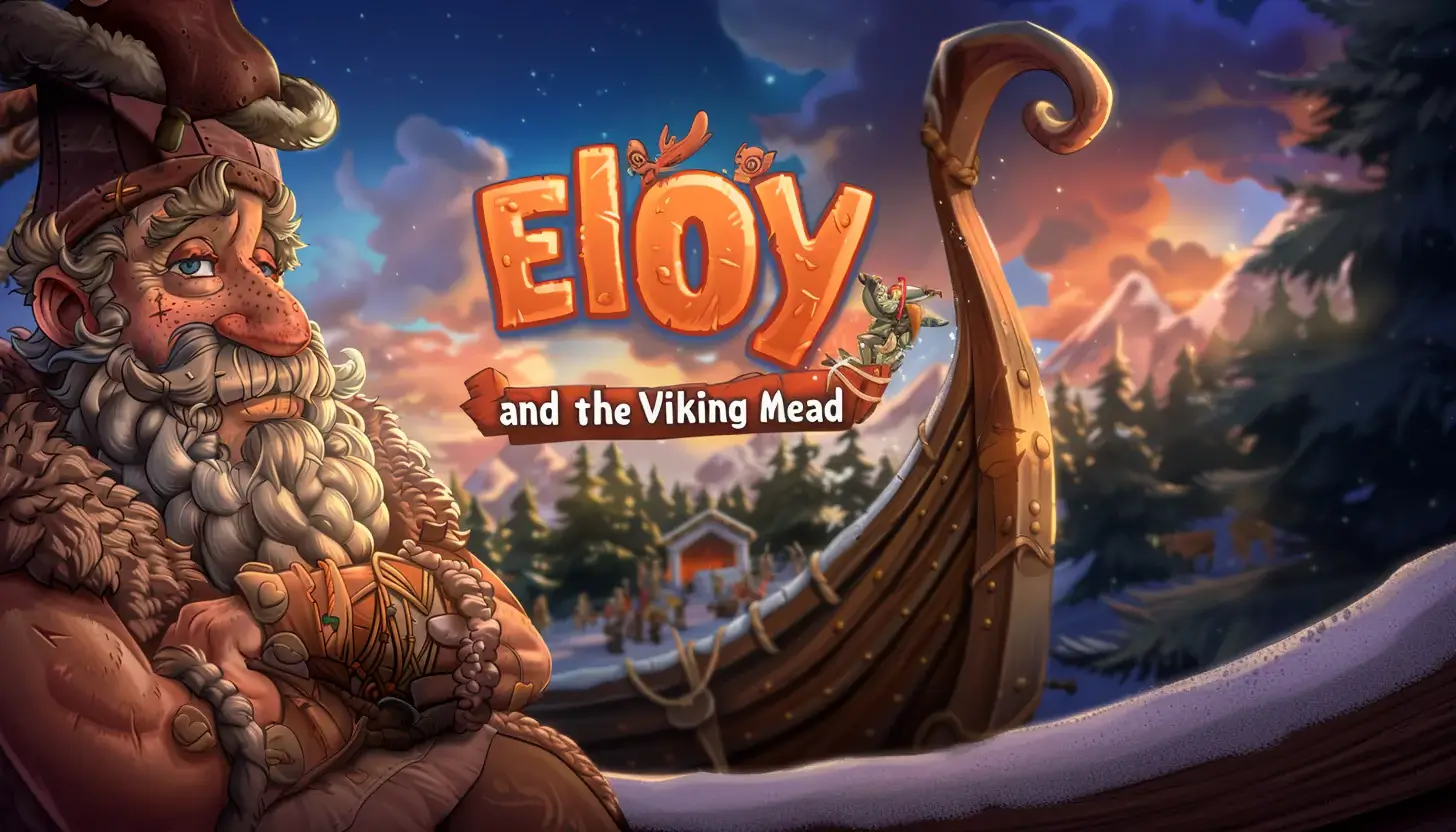
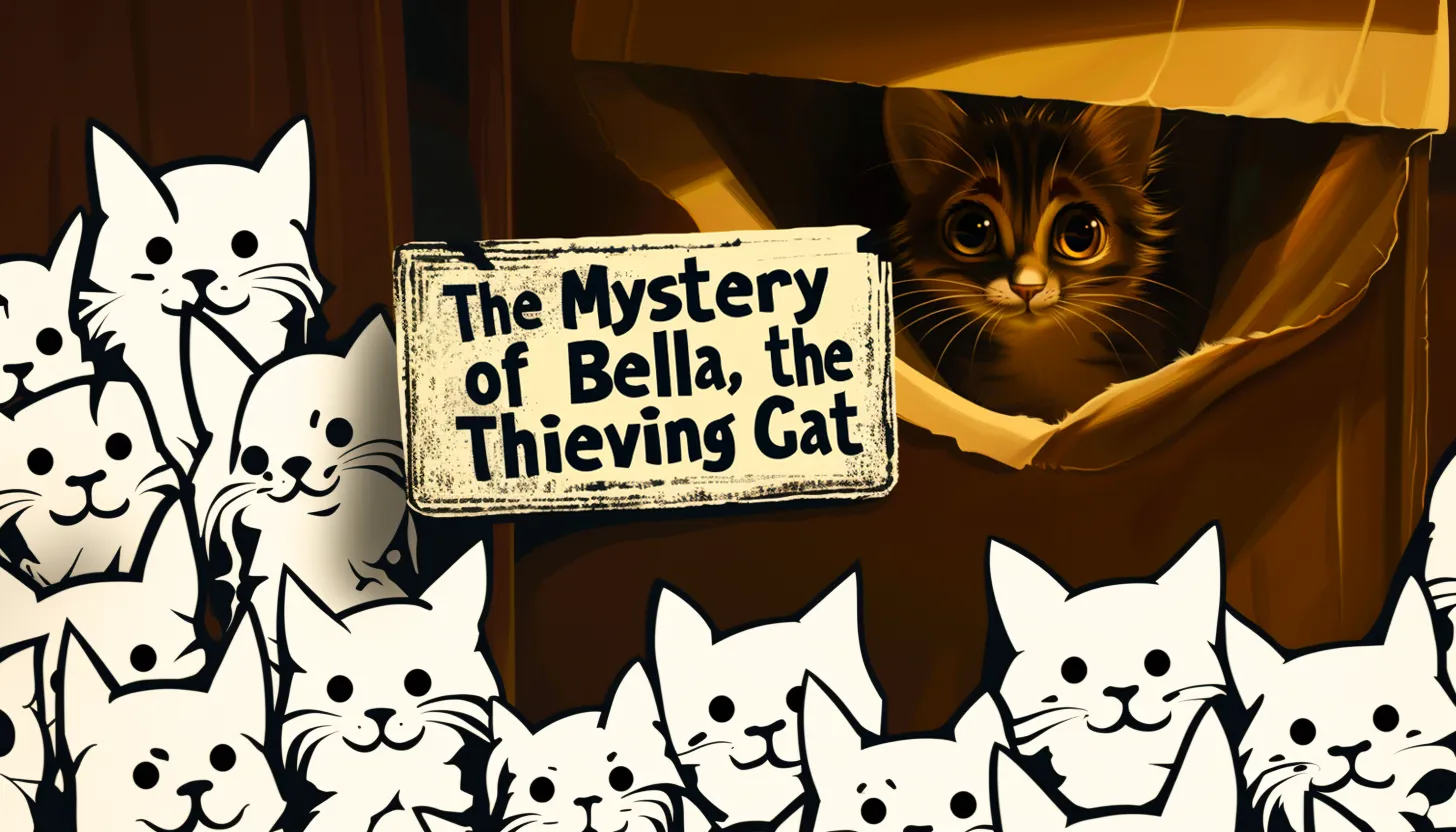
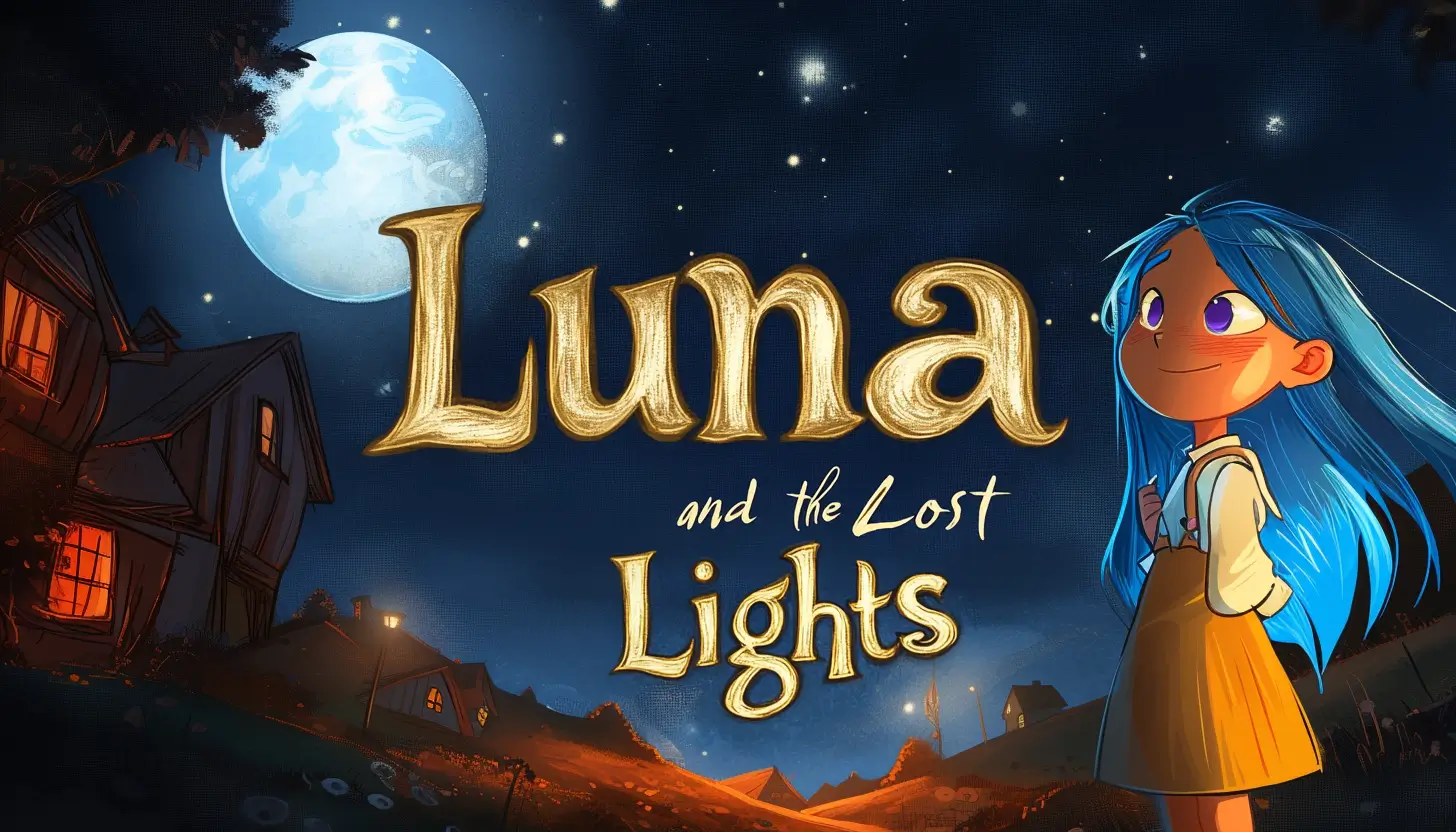
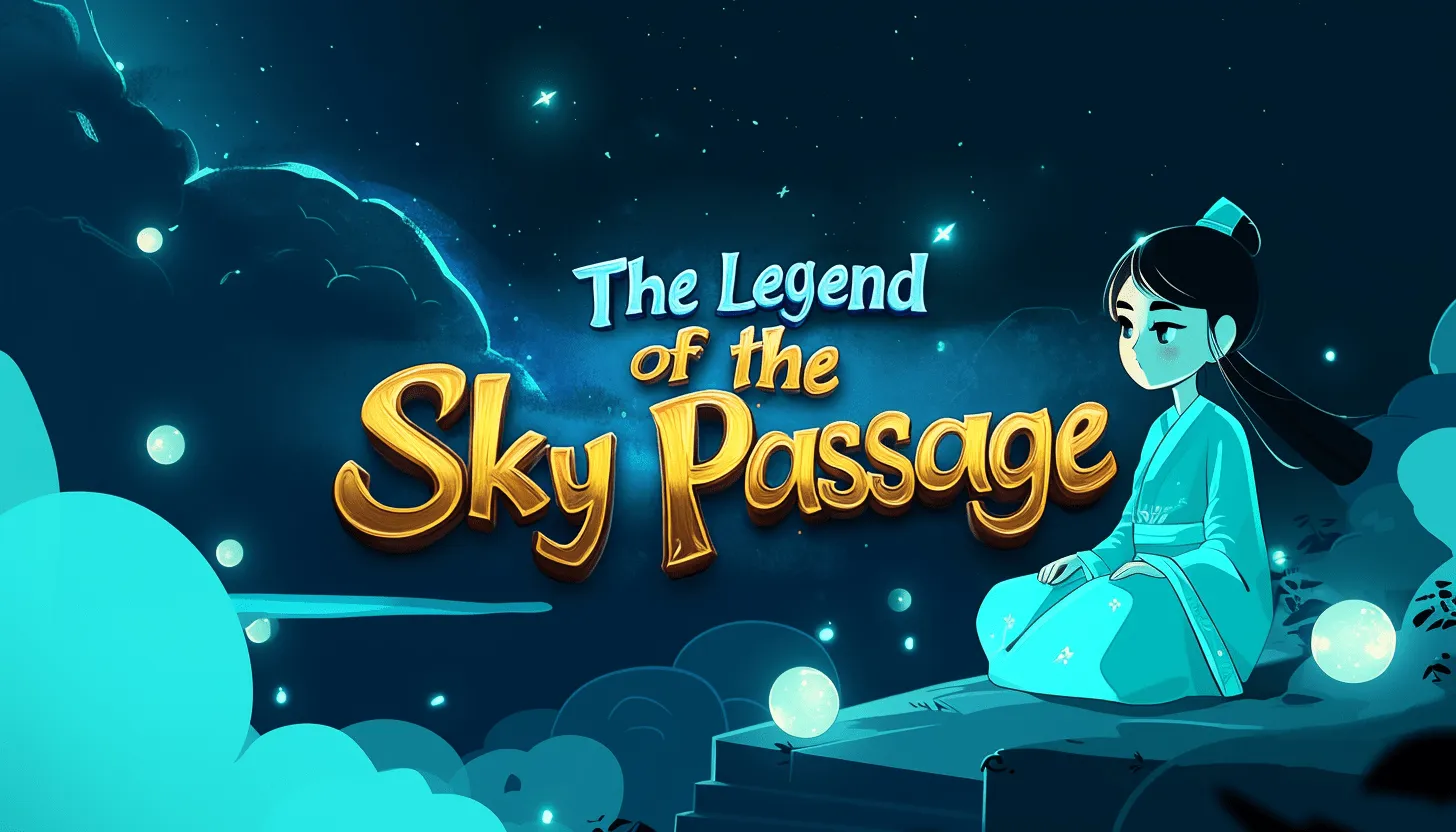
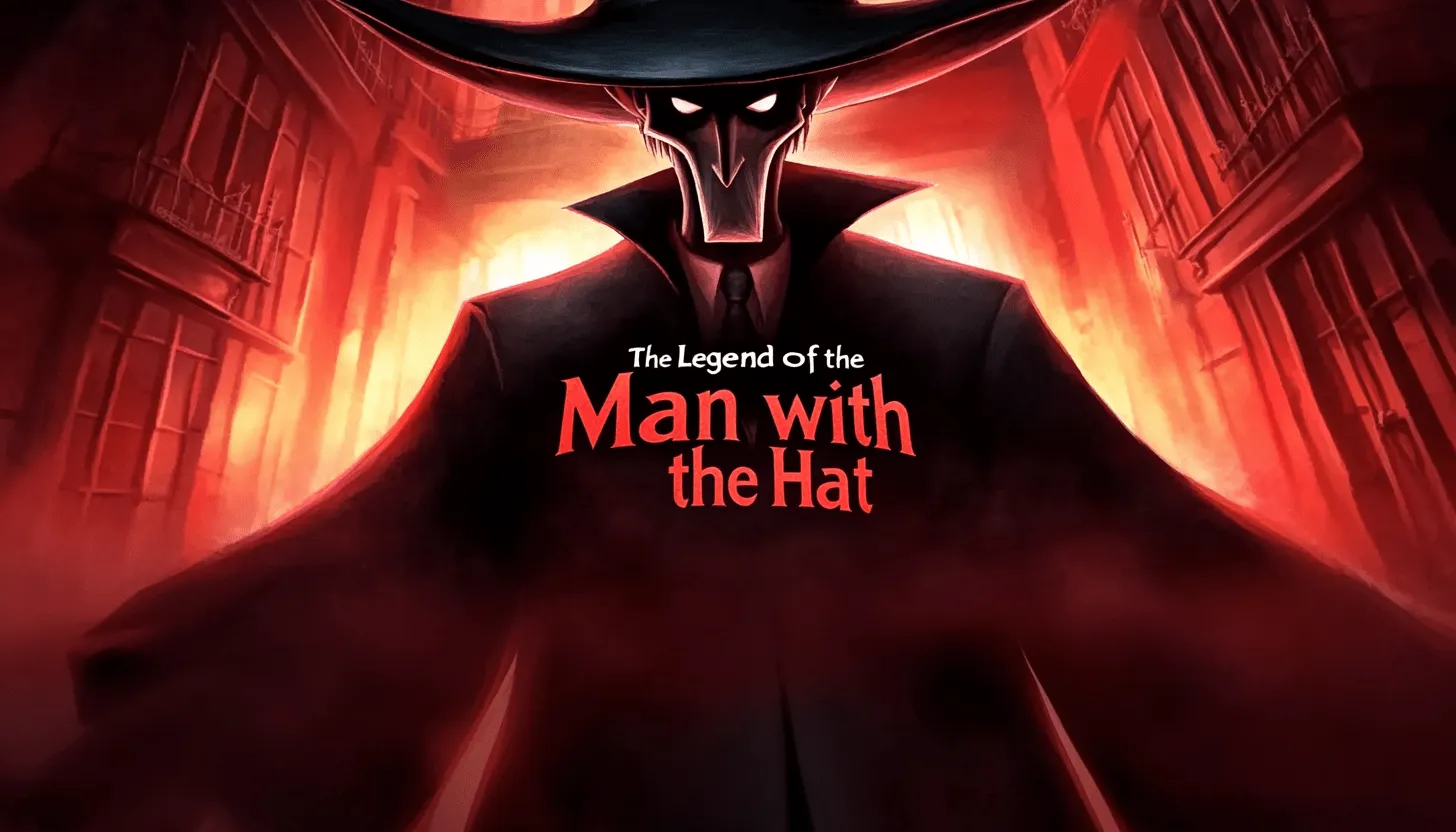
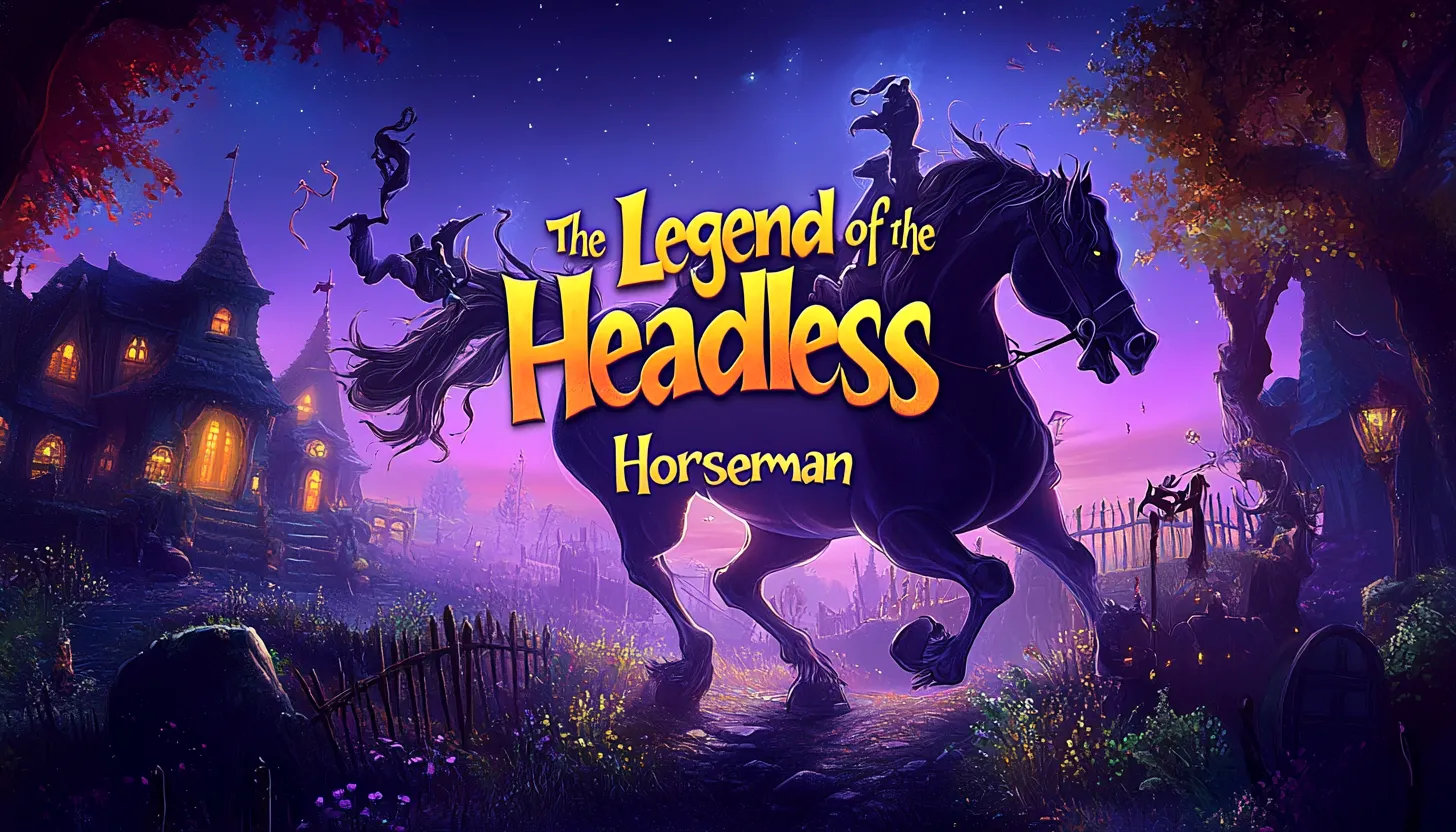
Short horror stories for children are an excellent way to introduce young readers to mystery and fantasy without overwhelming them. These stories are designed to be thrilling and intriguing, always with an age-appropriate approach that respects children's developmental needs and fosters healthy emotional growth. They provide entertainment while building confidence and emotional resilience in young minds. Perfect for shared family reading experiences together.
Why Are Horror Stories Popular With Children?
Children love mystery and excitement, and short horror stories offer them a perfect dose of controlled suspense that keeps them engaged. This allows them to experience emotions like surprise and intrigue in a safe, supportive environment that respects their developmental stage. These narratives not only foster imagination but also help children confront their fears in a playful and manageable way. Parents often choose these stories because, beyond entertaining, they can transmit important messages about courage, bravery, and problem-solving in challenging situations.
Characteristics of Horror Stories for Kids
Horror stories for children have unique characteristics that make them highly suitable for young readers. Generally, these stories are short with simple plots and easily recognizable characters. The language is accessible and direct, making it easy for children to understand the narrative. The endings, while intriguing, tend to be comforting or include a positive moral that reassures young readers.
Another key aspect is that fear elements in these stories are carefully softened appropriately. While there may be ghosts, mysterious creatures, or haunted houses, everything is presented in a more child-friendly way. The goal is not to provoke deep fear but to create an atmosphere of mystery that keeps them intrigued without causing nightmares or anxiety that disrupts their sleep.
Emotional and Cognitive Development Benefits
Short horror stories are not just entertaining; they offer significant benefits for children's emotional and cognitive development. These narratives allow children to confront situations that, while fictional, reflect some of their own fears and insecurities in a controlled, safe manner. When children see characters overcome fear or solve mysterious problems creatively, they learn valuable lessons about courage and practical problem-solving abilities.
Additionally, these stories stimulate imagination deeply, as children immerse themselves in worlds where the unknown comes alive and sparks wonder. They also foster concentration abilities, as the suspense keeps readers engaged throughout the entire narrative. Being short, these tales are ideal for improving reading habits, making children eagerly anticipate the next story. The cumulative effect of reading multiple stories builds confidence and resilience over time.
Tips for Telling Horror Stories to Children
When reading short horror stories to children, it's important to consider several aspects to ensure the experience is enjoyable and not overly frightening. First, choose stories that are age-appropriate. For younger children, select tales with lighter tones, friendly characters, and definitely comforting or hopeful endings that leave them feeling safe and satisfied. The tone of your reading matters significantly in how children perceive the scary story.
It's recommended to read these stories in a calm, controlled environment with soft lighting and, if possible, in the company of other children or family members. This helps them feel safe and protected in a shared experience. After reading, discuss with the children what they enjoyed most or what frightened them, helping them process their emotions constructively and reflect on the themes presented in the story. This post-reading conversation transforms the story into a learning moment.
Transforming Fears Into Life Lessons
Horror stories for children are not simply entertainment; they are powerful educational tools that help young people understand that fears are normal and manageable. When children read about characters who face and overcome their own fears, they internalize the message that they too can be brave. This transfer of courage from fictional characters to children's real worlds is one of the most profound benefits of this type of literature.
Discover how these stories can transform every moment shared with your children, teaching them valuable lessons about bravery, friendship, and the importance of facing challenges with determination. Our collection of horror stories for children is carefully curated to provide the perfect combination of excitement, mystery, and safety that children need during their developmental years and emotional growth.
Choosing the Right Horror Story for Your Child
Selecting the perfect horror story for your child is an important decision that requires considering their age, emotional maturity, and personal preferences. Younger children, between 5 and 7 years old, can enjoy light stories with friendly creatures and simple mysteries that resolve quickly and reassuringly. For children aged 8 to 10, you can choose stories with a bit more complexity, more developed characters, and mysteries that require more critical thinking and engagement.
Teenagers can appreciate more sophisticated stories with twisted plots, unexpected twists, and deeper exploration of themes like friendship in the face of danger or courage in extraordinary circumstances. What's important is ensuring that the intensity level is appropriate so the child enjoys the experience without feeling excessively anxious or frightened for days afterward. The best horror stories for kids leave them thrilled but ultimately secure and satisfied with a positive resolution.
Creating a Memorable Reading Experience
To maximize the positive impact of horror stories, create a memorable reading experience that engages all of the child's senses in appropriate ways. Prepare a comfortable yet slightly mysterious environment, with soft lighting and perhaps some subtle ambient sounds. Allow children to share their reactions during the reading, building a sense of community around the experience. This shared experience becomes a bonding moment that strengthens relationships within the family or group.
After finishing the story, take time to reflect together. Ask children what was most exciting, how they felt about the ending, and what they would do if they were in the main character's position. This reflection helps process emotions and reinforces the lessons of bravery and problem-solving that the story offers. In this way, horror stories become powerful tools for family connection and deeper emotional development. The key is transforming reading into a purposeful, enriching activity that builds confidence and emotional intelligence in children over time.