


Cuentos Recomendados
Stories About Transformation and Change: Accept the New with Magic
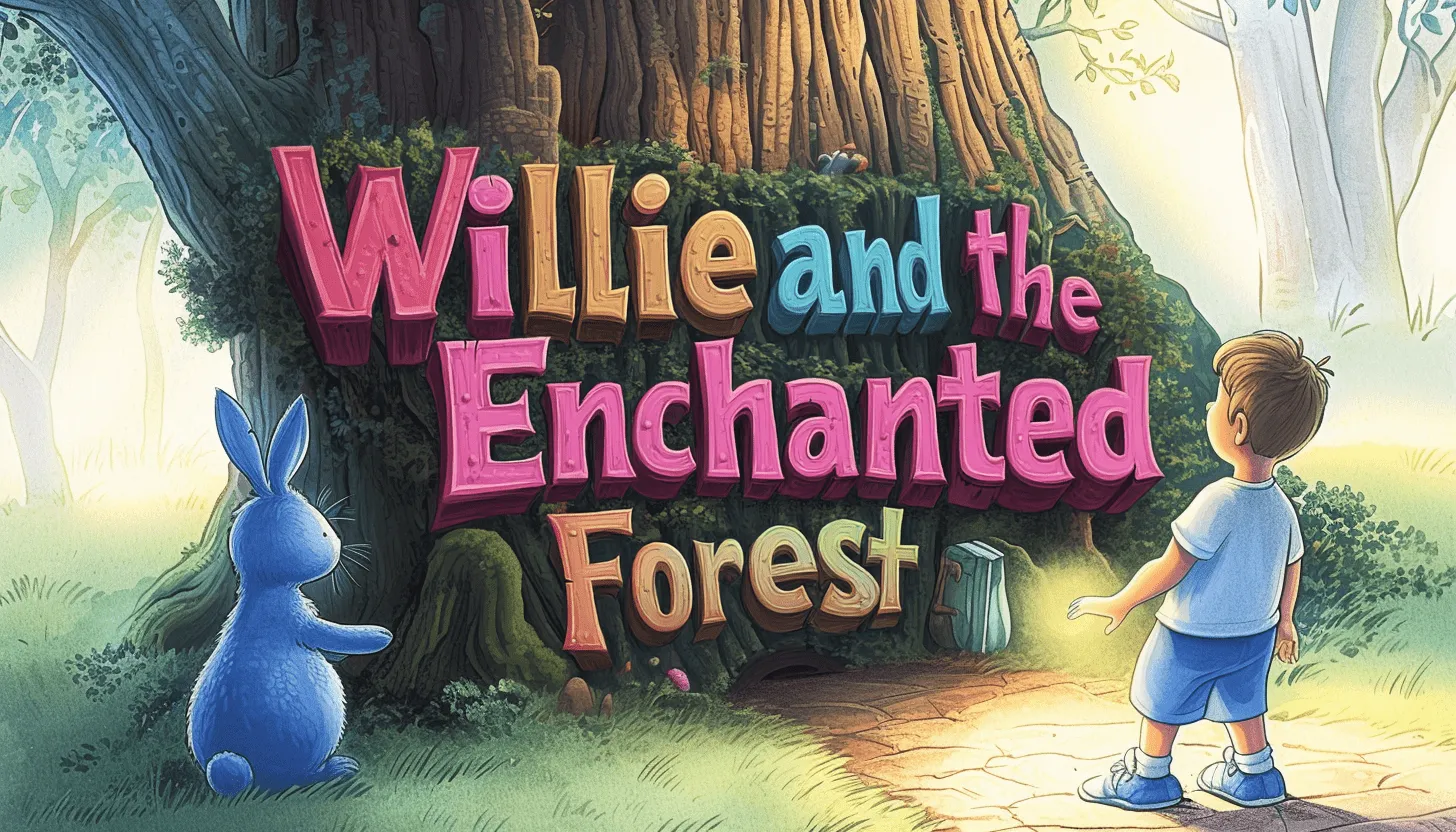
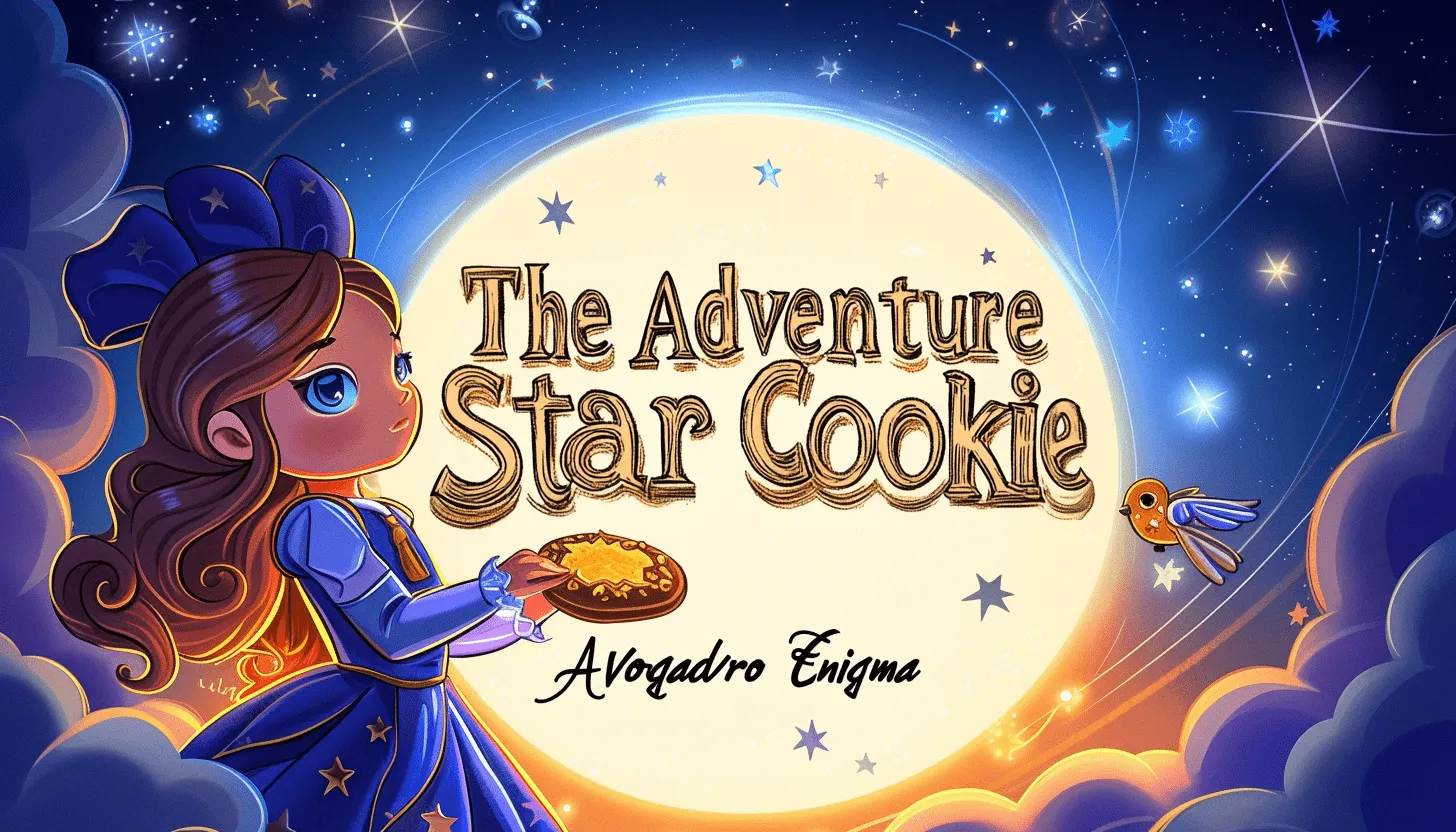

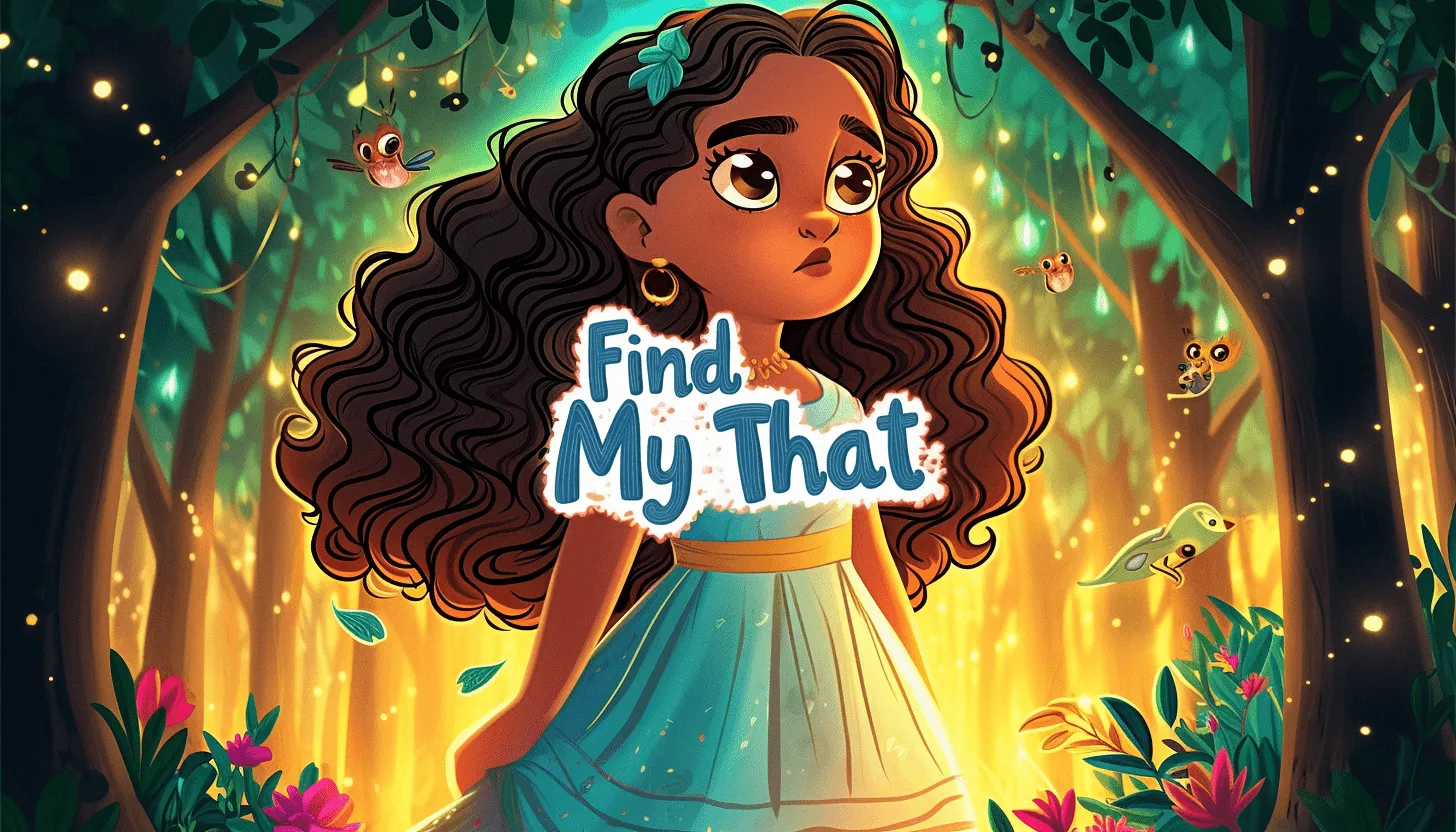
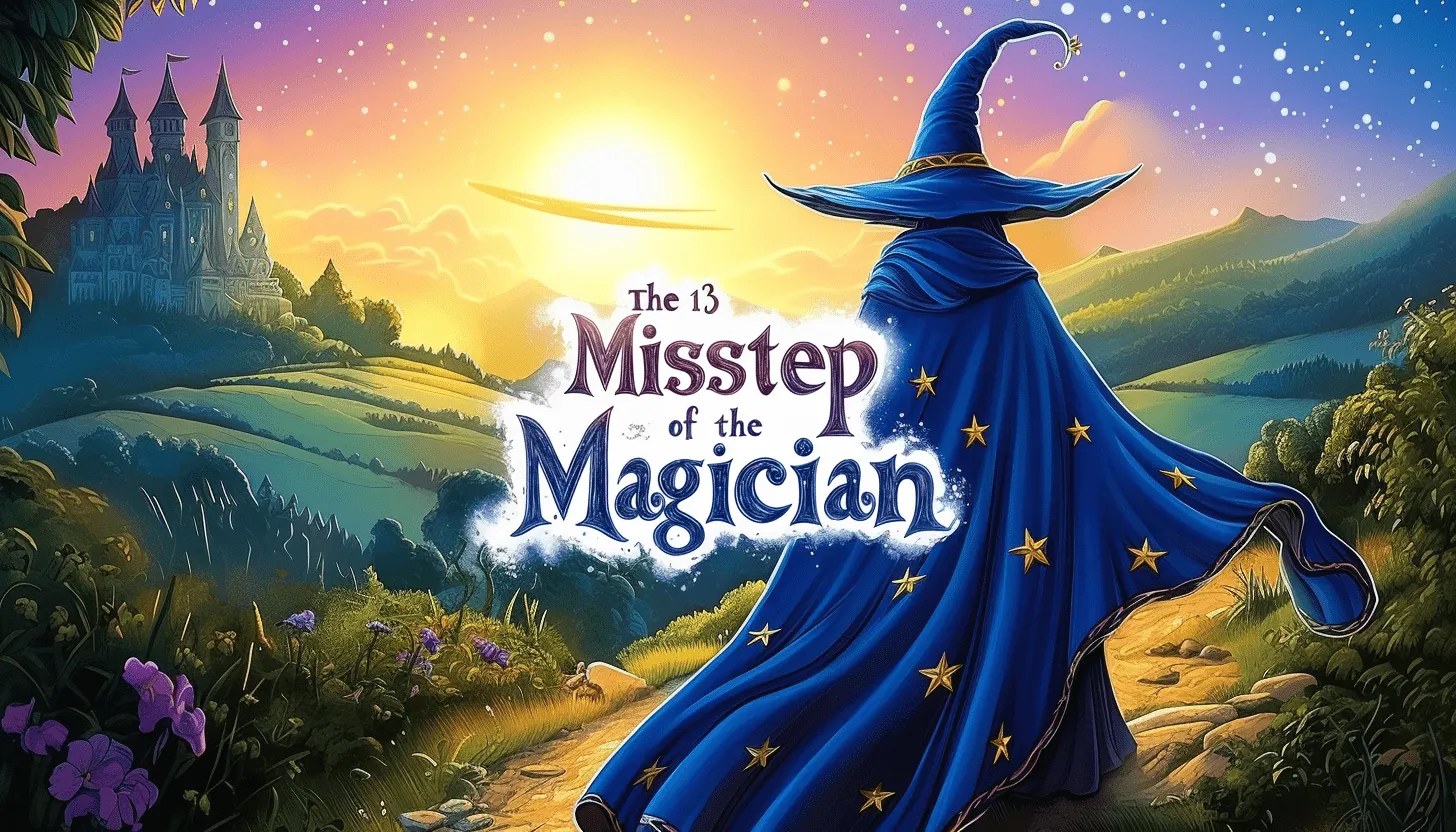



Change is the only constant in life, but for children, especially during transition stages like changing schools, losing a tooth, or the passage from childhood to adolescence, changes can feel terrifying and incomprehensible. Stories about transformation and change offer a narrative framework where metamorphosis is not something to fear, but a magical opportunity to become something more. Through stories of caterpillars becoming butterflies, of princesses discovering their true power, or of villages reborn after the storm, these tales demonstrate that change is natural, necessary, and frequently beautiful.
The magic in these stories about transformation is not just narrative decoration: it's a psychological tool. When children see characters they love experience extraordinary changes and emerge stronger, wiser, or happier, they internalize the message that their own changes can also lead to better outcomes. Fiction becomes a safe emotional rehearsal for changes they'll face in reality.
In our collection of stories about transformation and change, we celebrate every kind of metamorphosis: from physical changes to character transformations, from new environments to new friendships. Each story acknowledges that change can be challenging, but that within every transformation lies the seed of a brighter future.
Why change is difficult for children
Young children thrive under structure and predictability. Their sense of security depends on the world being predictable and consistent. That's why when changes occur, even positive changes like moving to a new house or starting a new school, they can experience significant distress. Stories about transformation and change work by normalizing this experience and showing that others also face changes, and that these can be navigated successfully.
Research in developmental psychology suggests that children exposed to narratives about change and adaptation develop greater mental flexibility and resilience in the face of adversity. These stories, by presenting changes as opportunities rather than threats, rewire the child's emotional response to uncertainty.
Types of changes children experience
Childhood changes are varied: moving homes, starting elementary school, losing a pet, parental separation, illness, accelerated physical growth, or changes in family dynamics. Some changes are positive but still require adaptation (a new sibling, moving to a city with more opportunities). Others are challenging by nature (parental divorce, death of a loved one). Our stories about transformation and change address the full spectrum of these experiences.
The magic of change: Powerful narrative metaphors
A story about transformation that works well uses clear metaphors. The metamorphosis of a caterpillar into a butterfly is biologically accurate but also symbolically rich: the caterpillar must "die" in its cocoon to emerge transformed. This reflects the psychological truth that changes require a "death" of the previous identity, a process that naturally causes distress before rebirth.
When stories incorporate elements of magic, they allow children to explore changes in a space where the laws of reality don't apply rigidly. A fairy can transform a beast into a prince; a magic wand can change night to day; an enchantment can restore hope to a village shrouded in despair. This narrative freedom makes it easier for children to psychologically experiment with the idea of transformation.
Changes as growth, not loss
One of the most powerful contributions of these stories about transformation and change is reframing changes as growth opportunities. A child who resists change because it means "losing" the old needs to see through narrative that gaining something new, though different, can be equally valuable or even better. The best stories honor both sides: they acknowledge what is left behind while celebrating what is gained.
In these stories, the old and the new coexist in the protagonist's memory. The child yesterday who climbed trees becomes the young person climbing mountains. Old friendships can transform into cherished memories while new friendships open. This reinterpretation of change as expansion rather than replacement is psychologically critical for successful adaptation.
How these stories facilitate adaptation
When a child knows they'll be changing schools in two months, regularly reading them stories about transformation and change gradually prepares them emotionally. It's not about trying to "fix" them directly, but about creating a narrative context where changes feel normal, manageable, and potentially exciting.
Techniques to maximize impact:
1. Choose relevant stories: If the change is a new sibling, select stories about families growing. If it's a school change, seek narratives about new beginnings in new places.
2. Create conversation spaces: After reading, ask: "How do you think the character felt when they discovered their new form?" or "What was the best part of their transformation?"
3. Draw and express: Invite your child to draw the transformation moments from the stories. This artistic activity facilitates emotional processing.
4. Repeat during transition: Read these stories especially in the period just before and after the change. Repetition at key moments reinforces the reassuring message.
Transformation as identity
Stories about transformation and change have an additional psychological benefit: they help the child understand that while their appearance or circumstances may change, their essence, their true nature, remains. A princess under a spell is still a princess at heart. A prince transformed into a beast is still noble within. This knowledge is reassuring for children who fear that external changes will erase their identity.
This is perhaps the deepest message that stories about transformation and change can convey: your essence is constant. Your core identity, what you truly are, remains intact even when everything around you changes. External changes are like clothes you change; your true self stays the same, only expressing itself in new and potentially more authentic ways.
The journey of rebirth
Every story about transformation is fundamentally a journey of rebirth. The character enters the story as one version, faces forces that challenge them, and emerges as a more complete version of themselves. This is the oldest narrative arc in humanity, and it exists for a reason: it reflects the deepest truth of human experience. We all experience rebirths. Childhood becomes adolescence. Dependence becomes independence. Ignorance becomes knowledge.
In our stories, we celebrate the idea that change is a natural part of being human, that each transformation makes us more complete, and that the changes we face today prepare us for the extraordinary adult our children will become tomorrow. Explore stories where magic and metamorphosis are tools of growth, not destruction, where every character who experiences rebirth reminds us that we too can do the same.