
Cuentos Recomendados
Stories for Kids About Diversity and Inclusion
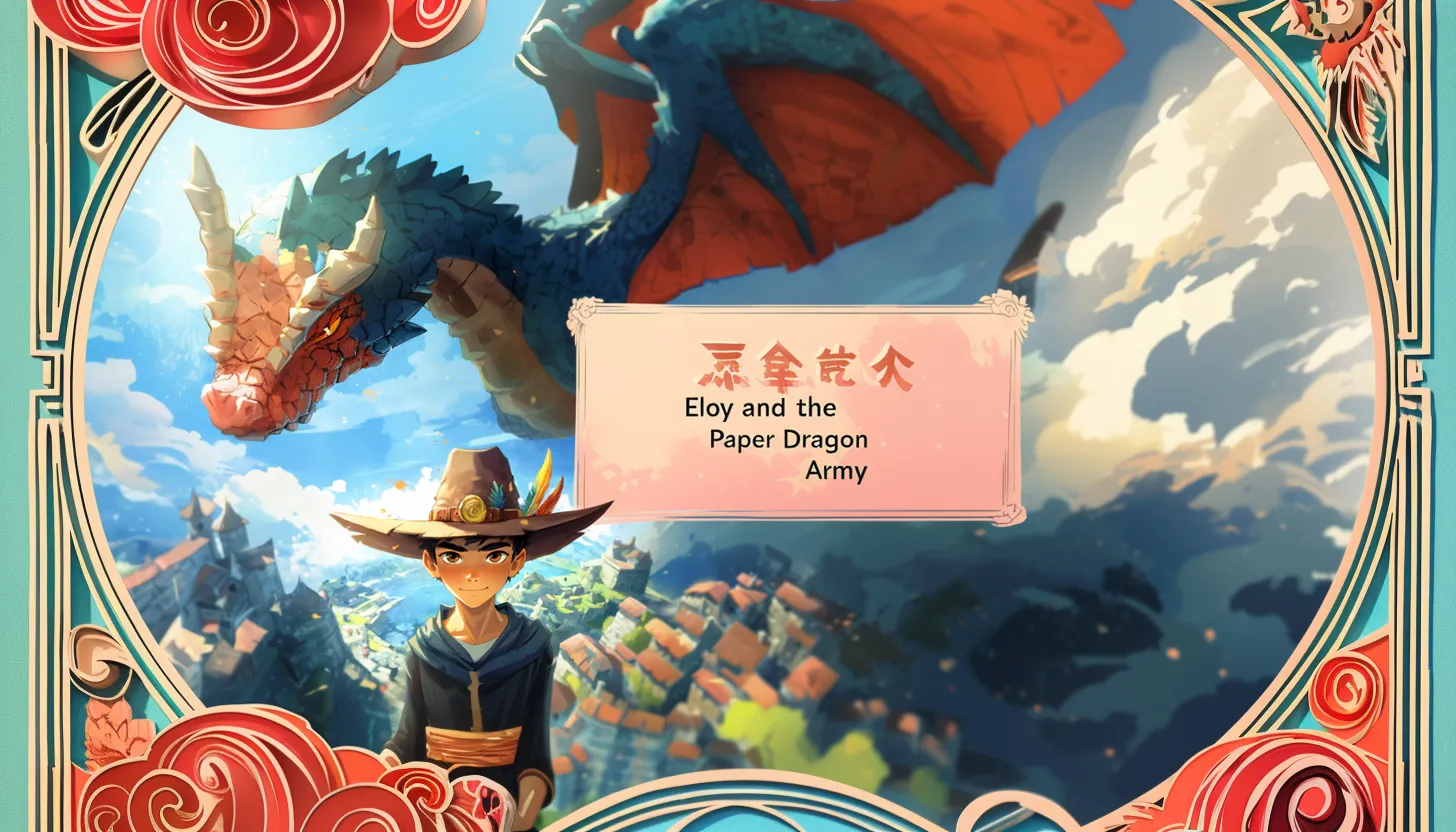
We live in a beautifully diverse world. Stories for kids about diversity and inclusion prepare children not just to live in this world, but to lead it with compassion, justice, and active inclusion.
Through narratives where different types of people are heroes, where different families are valid, where different abilities are valued, children develop capacity to build a world where everyone belongs.
The transformative power of these stories lies in their ability to normalize diversity from childhood. Rather than presenting diversity as an exception or as a special topic that needs explaining, they simply show it as a natural part of life. A child who grows up seeing this normalization develops a brain that processes diversity as "obvious" rather than "different".
Diversity as Strength, Not as Deficit
Stories for kids about diversity teach that diversity isn't a problem to tolerate - it's a strength to celebrate. Diverse teams solve problems better, diverse communities are more resilient, diverse societies are more innovative.
A child who believes this doesn't just accept different people - actively seeks diversity because understands it makes them better, smarter, more creative. This is the mindset that builds truly inclusive societies.
When a child hears stories where a character of a different religion helps another, where someone with a disability leads others, where a family with two moms or two dads is simply a normal, loving family, the child internalizes that diversity is beauty. It's not about being "politically correct" - it's about literally expanding who counts as a hero in their internal narratives. And that changes everything.
Active Inclusion: From Acceptance to Action
Stories for kids about diversity and inclusion teach that inclusion isn't passive acceptance - it's action. It's not enough to not discriminate. We must actively include, invite, defend, celebrate people different from us.
Characters in these stories are active allies. Defend those who are different, include those who are alone, celebrate marginalized identities. The child who grows with these stories internalizes that inclusion is their responsibility, not optional.
Dismantling Prejudice Before it Forms
Stories for kids about diversity are preventive intervention against prejudice. A child who grows seeing people of different backgrounds as heroes, as complex and valuable people, doesn't develop prejudice in the first place.
Doesn't need to "unlearn" stereotypes - simply never internalized them as truth. This is the power of early exposure to diversity in narratives.
The Legacy of Inclusion: Generations Building Justice
Children who grow up with stories for kids about diversity and inclusion don't just tolerate diversity - they celebrate it. But more, they create environments where diversity is welcomed. When these children grow up, they create businesses, communities, policies, and families where inclusion is the norm.
This is the multiplier power of investing in stories for kids about diversity and inclusion now: it's not just about the individual child, but about the world that child will build. A world where people of different backgrounds hold leadership positions, where different voices are heard, where difference enriches rather than divides.
The Power of Seeing Yourself in Stories
One of the most transformative aspects of stories for kids about diversity and inclusion is that they allow children of different backgrounds to see themselves as protagonists, as heroes, as valuable people. When a girl with a disability sees a character with a disability who is brave and successful, something profound shifts internally.
Representation isn't simply "being included in the story." It's the neurological message: "People like me can be heroes. People like me belong. People like me are valuable." This message is revolutionary, especially for children whose identities historically haven't been reflected in the stories they consume.
Stories for kids about diversity and inclusion build bridges of identification that allow each child to see their own potential reflected in characters. And that transforms life trajectories.
Breaking Barriers: How Inclusion Benefits Everyone
There's a myth that inclusion is a favor we do for those who are "different." The reality is the opposite. Stories for kids about diversity and inclusion show that inclusion benefits everyone - that a world where difference is celebrated is a richer, more creative, more resilient world.
When children grow surrounded by diversity (even through stories), they develop greater cognitive flexibility. They can think in multiple ways, solve problems creatively, understand different perspectives. These are exactly the mental habits needed for the 21st century.
Moreover, children who grow up with inclusion don't experience the emotional exhaustion of segregation. They don't spend mental energy classifying "normal" versus "different." This energy is freed for learning, creativity, and genuine connection.
The Neuroscience of Inclusion: How the Brain Changes with Diversity
Stories for kids about diversity and inclusion work at a profound neurological level. When a child hears stories where people of different backgrounds, abilities, and identities are valuable protagonists, their brain literally builds new neural pathways. It stops classifying difference as "weird" and begins processing it as "normal".
Childhood neuroplasticity is extraordinary - their brains are still forming, still open. The stories they hear now, especially ones that emphasize inclusion, shape their neural circuits forever. A child who grows up with inclusive stories literally has a more open brain for diversity.
This is the beauty of investing in stories for kids about diversity and inclusion now: you're not just educating the present child, but building the neural structure that will be the foundation for their capacity to live in diverse communities throughout their entire life.
Build an Inclusive World, One Story at a Time
Listen now to stories about diversity! Give your child the vision of a world where everyone belongs, where difference is celebrated, where inclusion is the norm. Each story is a seed of justice, compassion, and belonging.
Stories for kids about diversity and inclusion don't just educate - transform. Create generations of leaders who will build societies where everyone has a place, where everyone is valued, where diversity is the world's beauty.
Invest in your child's inclusive education. Each story they hear is an investment in their capacity to be a world citizen, to build genuine relationships with people different from them, to lead with justice. This is a legacy that will last their entire life.