

Cuentos Recomendados
Stories to Boost Children's Creativity: Imagination Without Limits
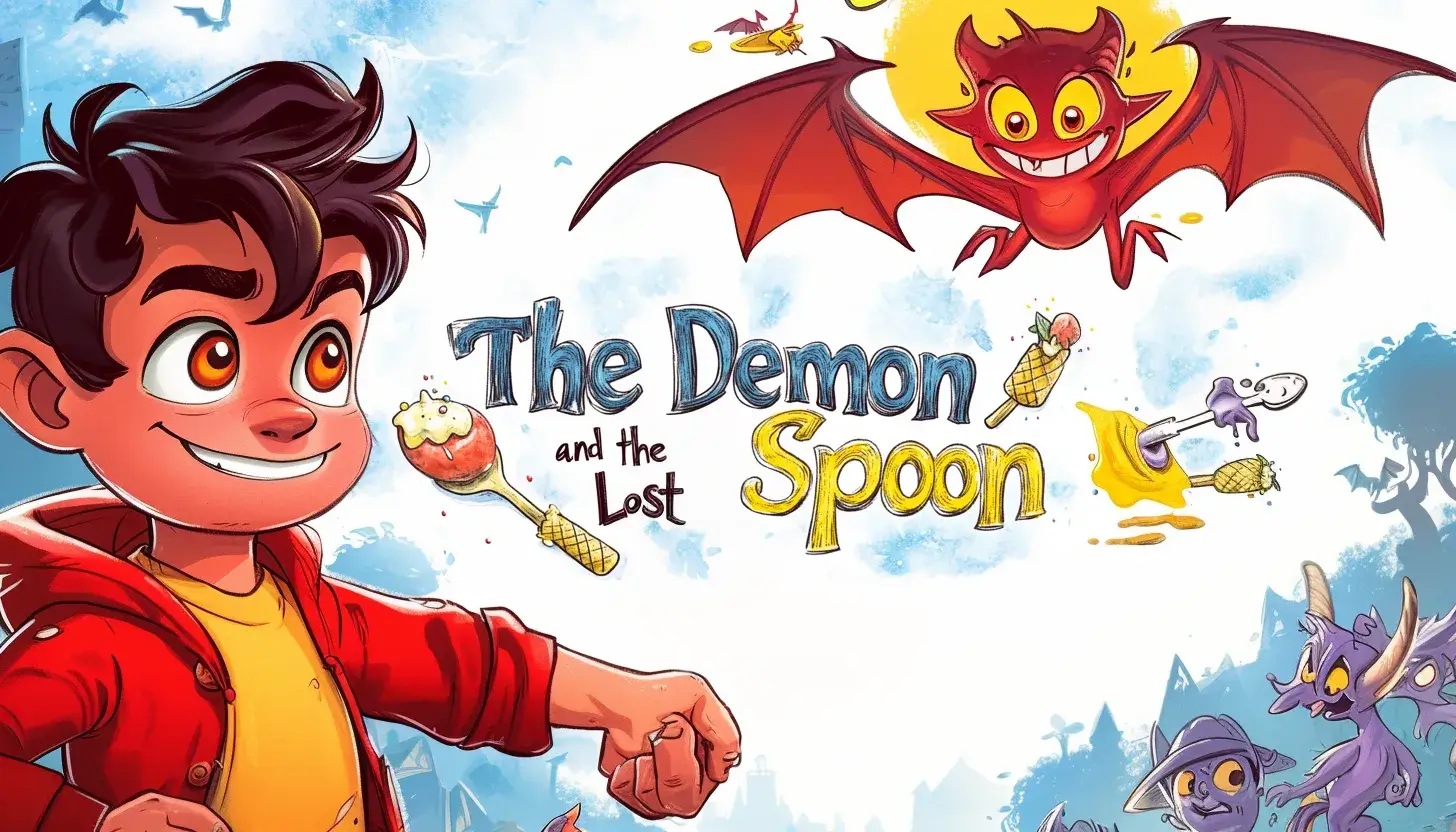
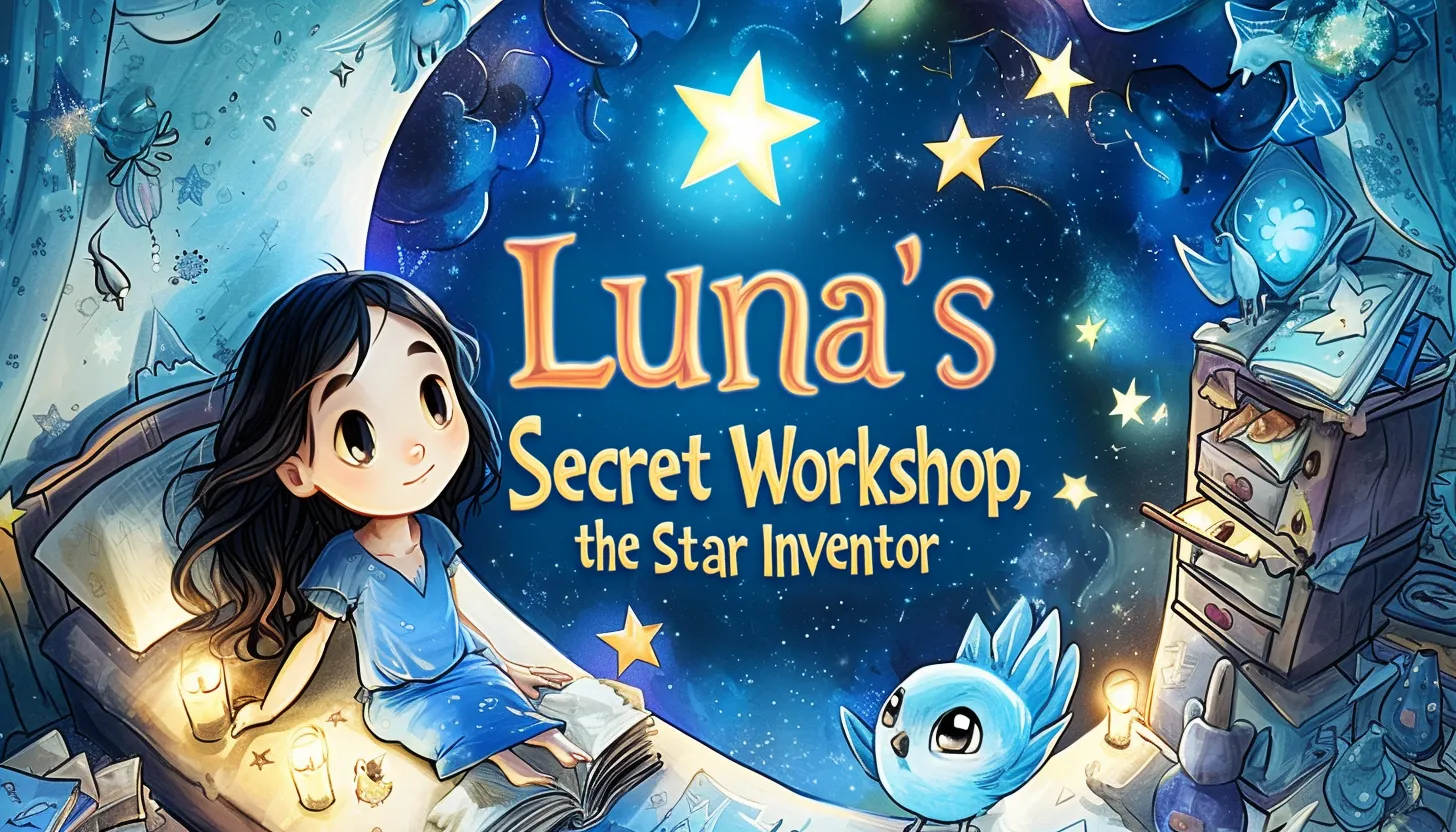
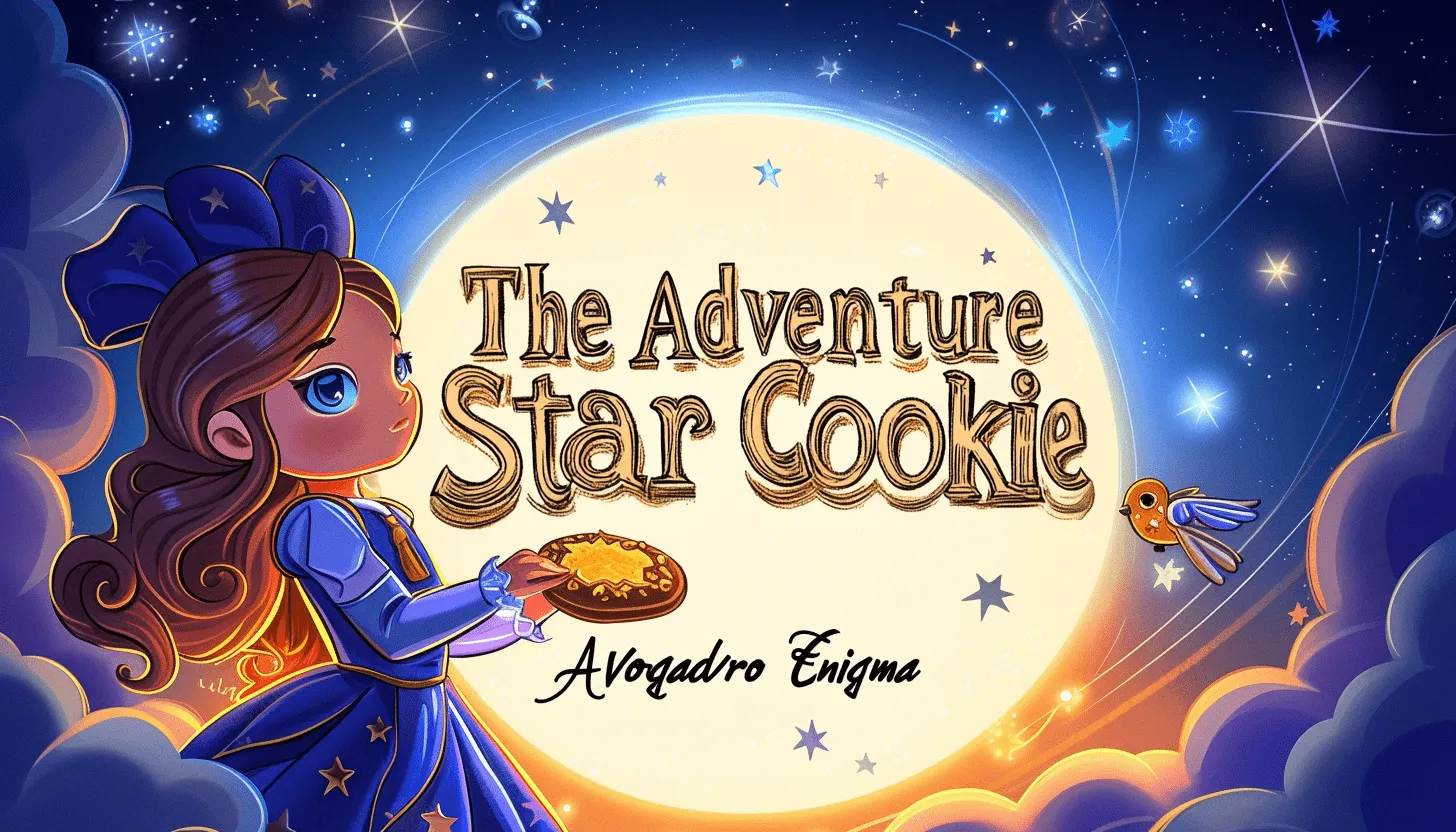
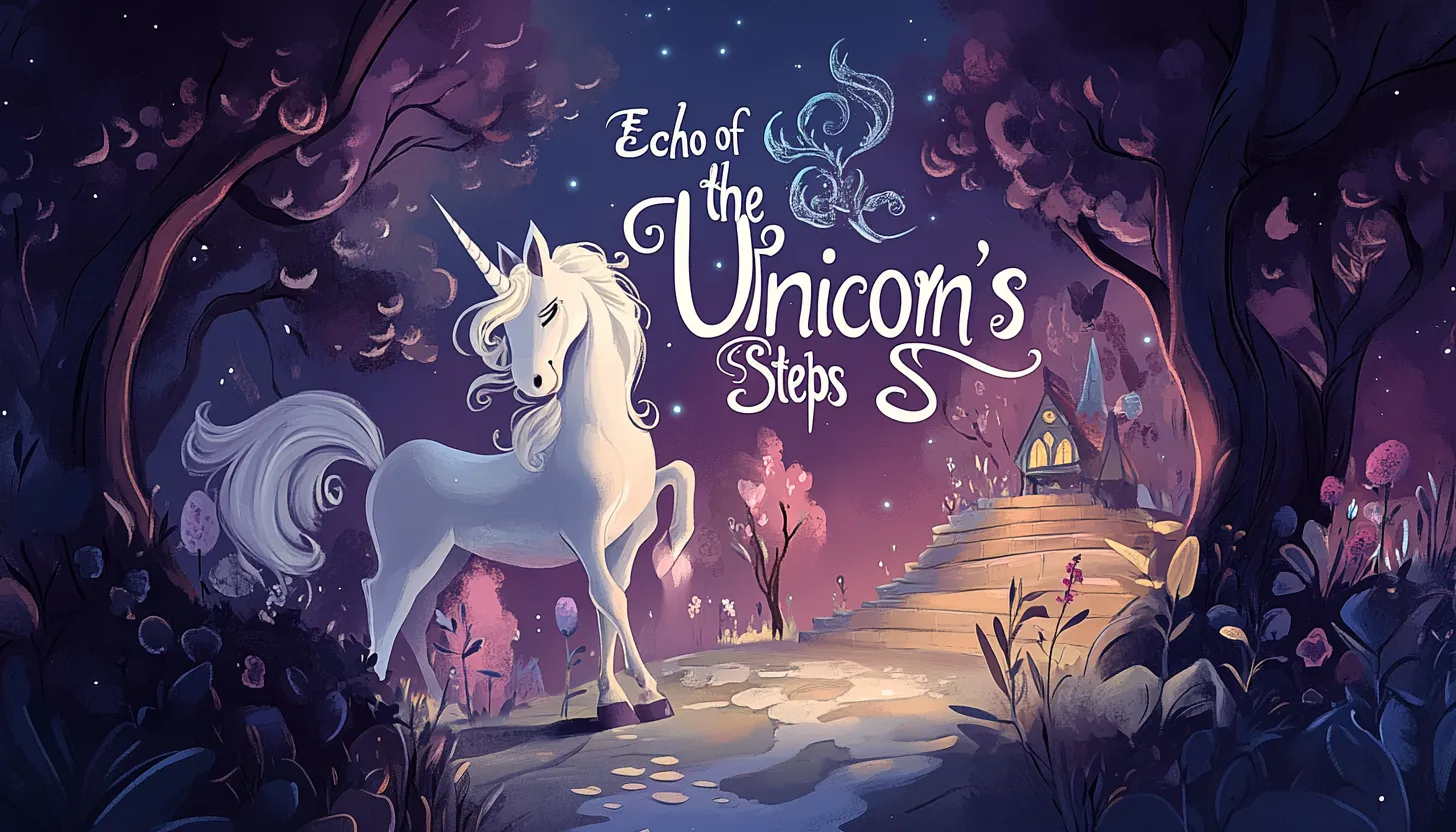
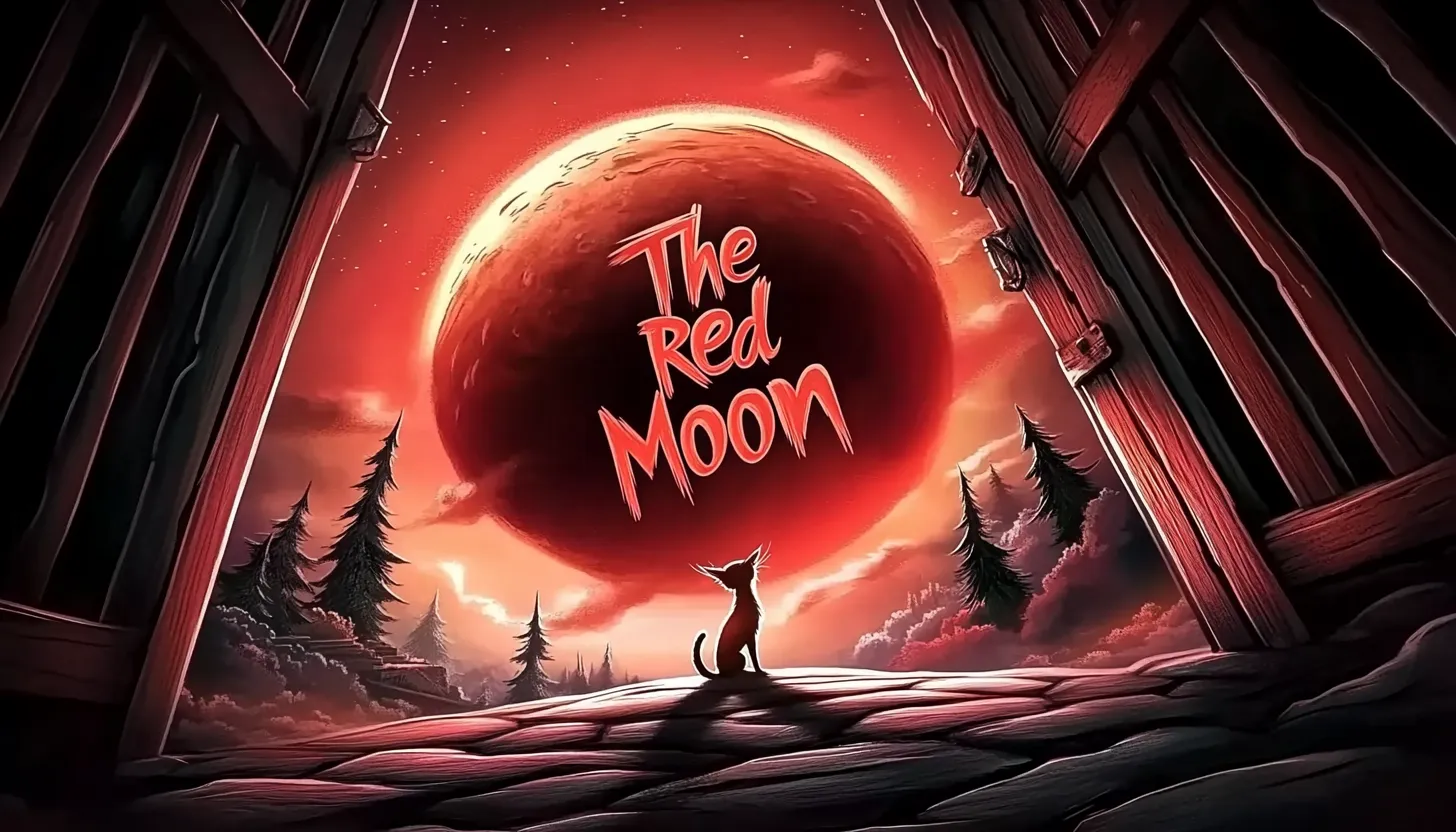
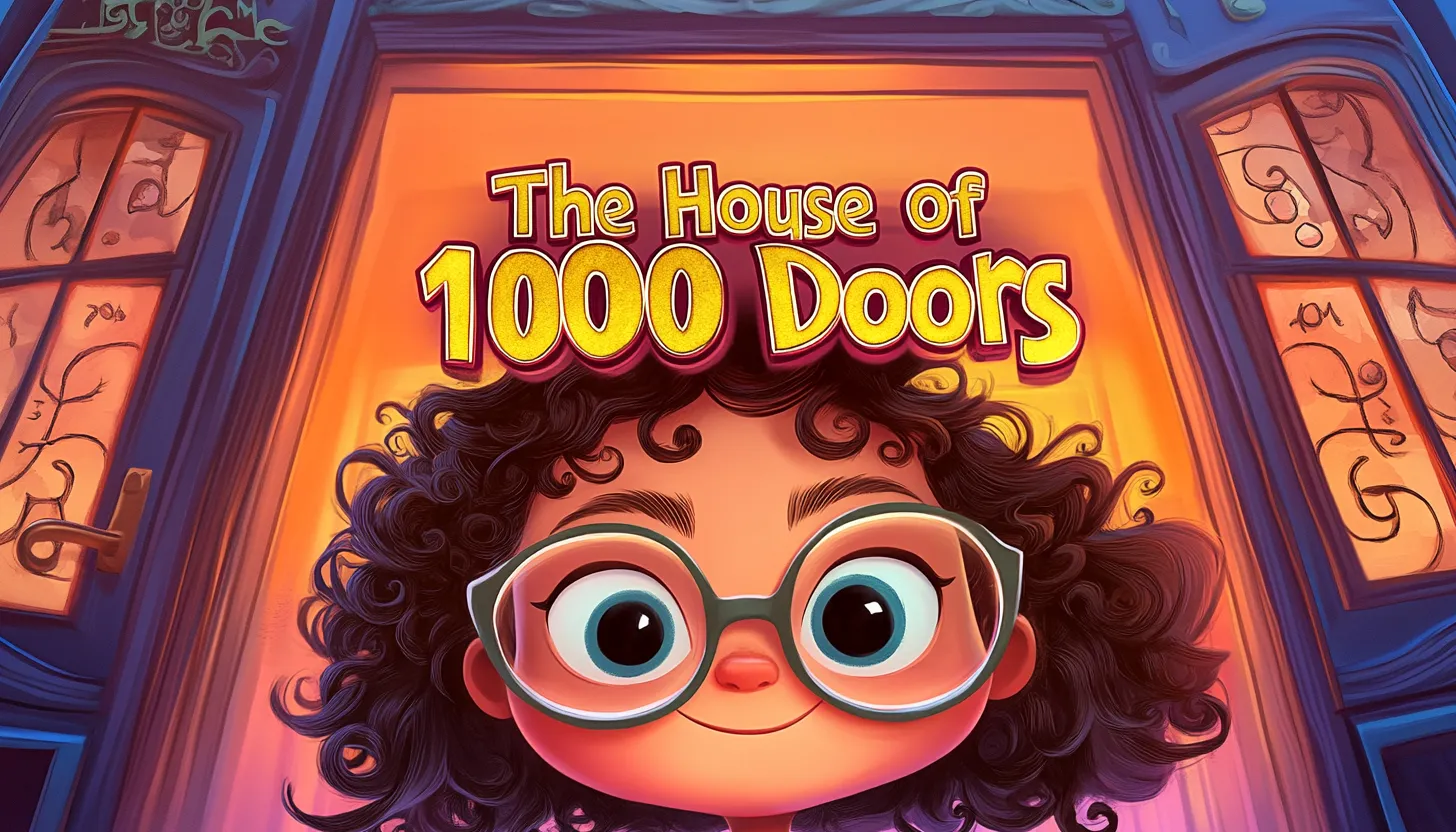
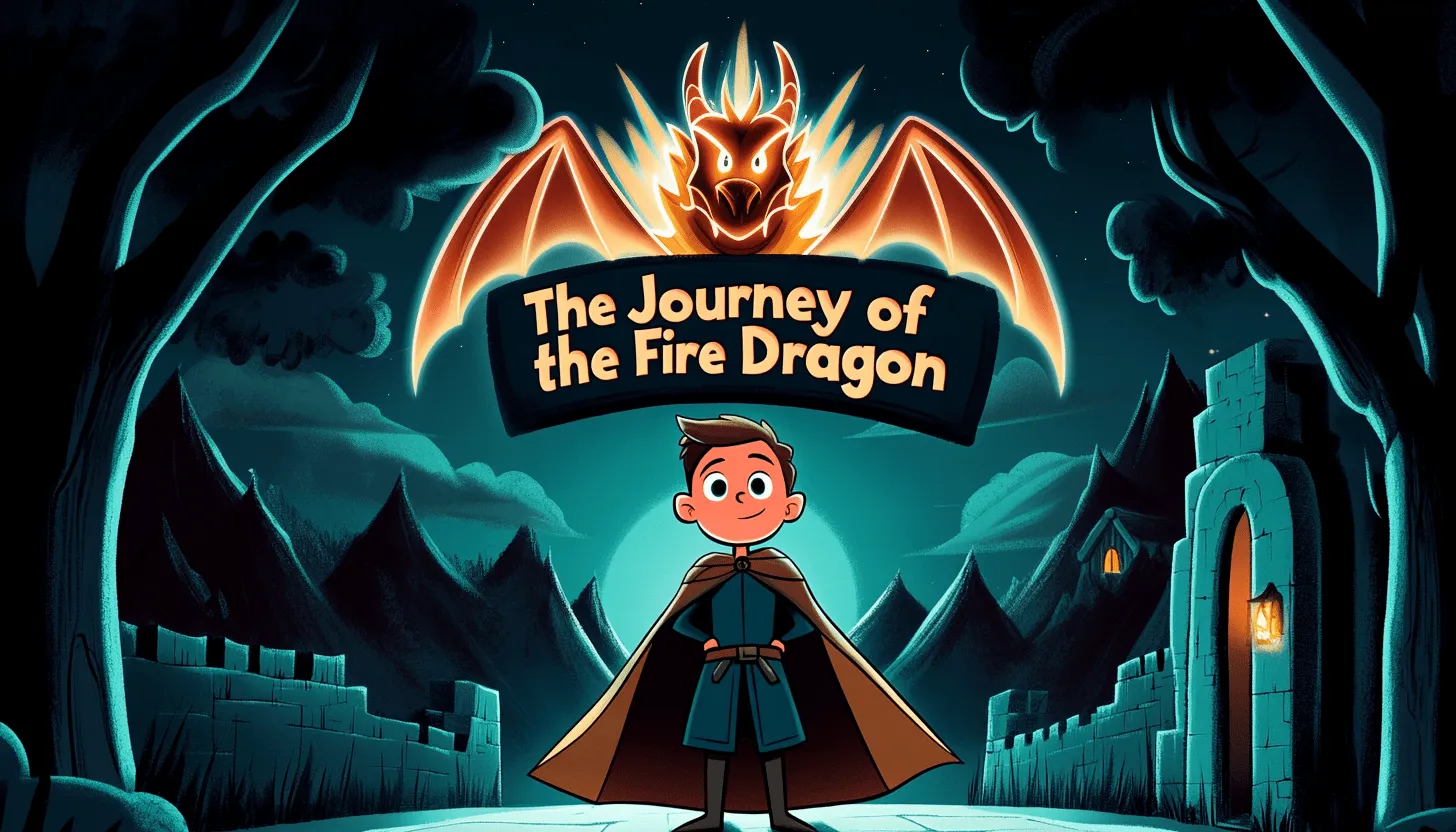
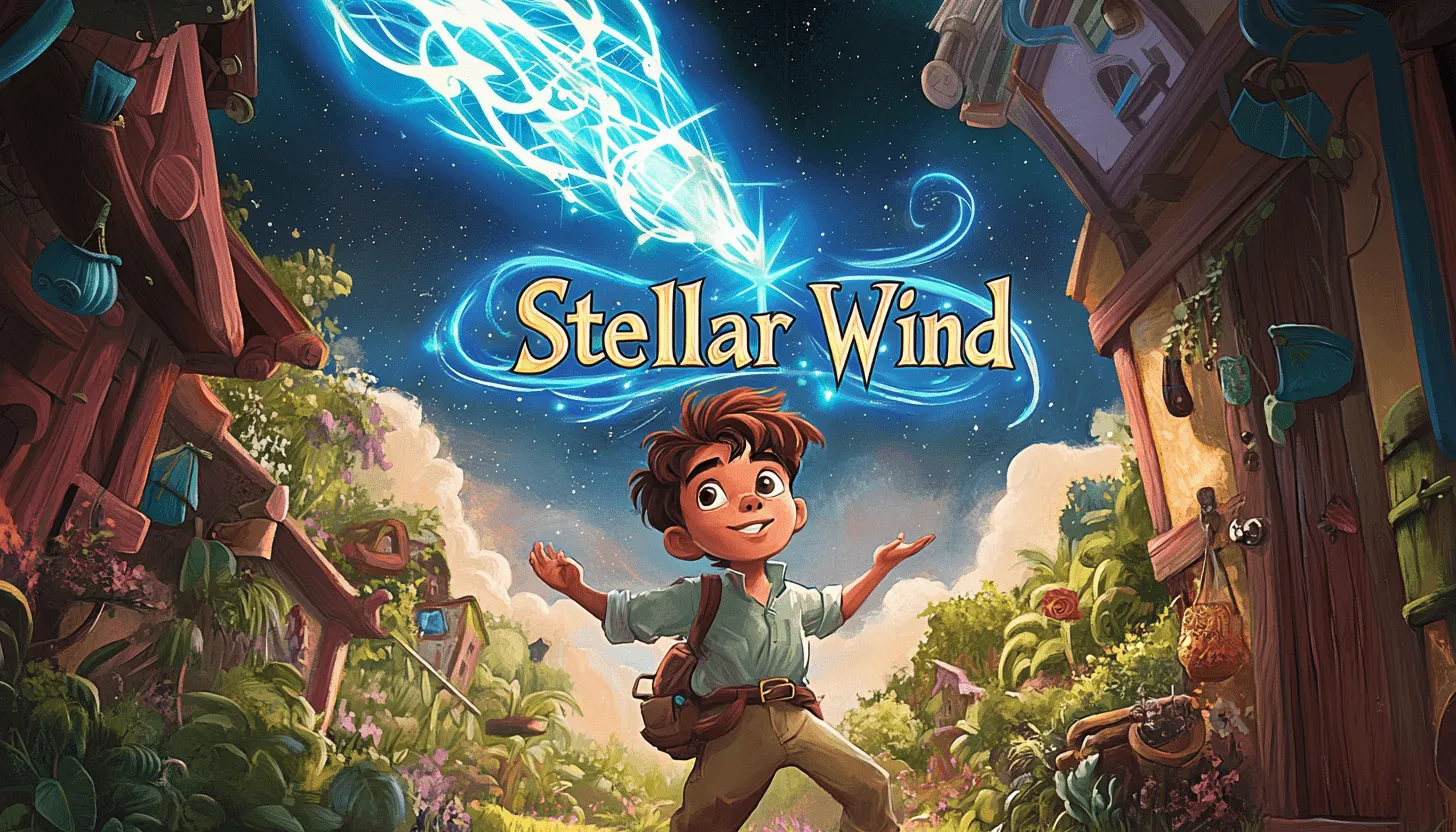
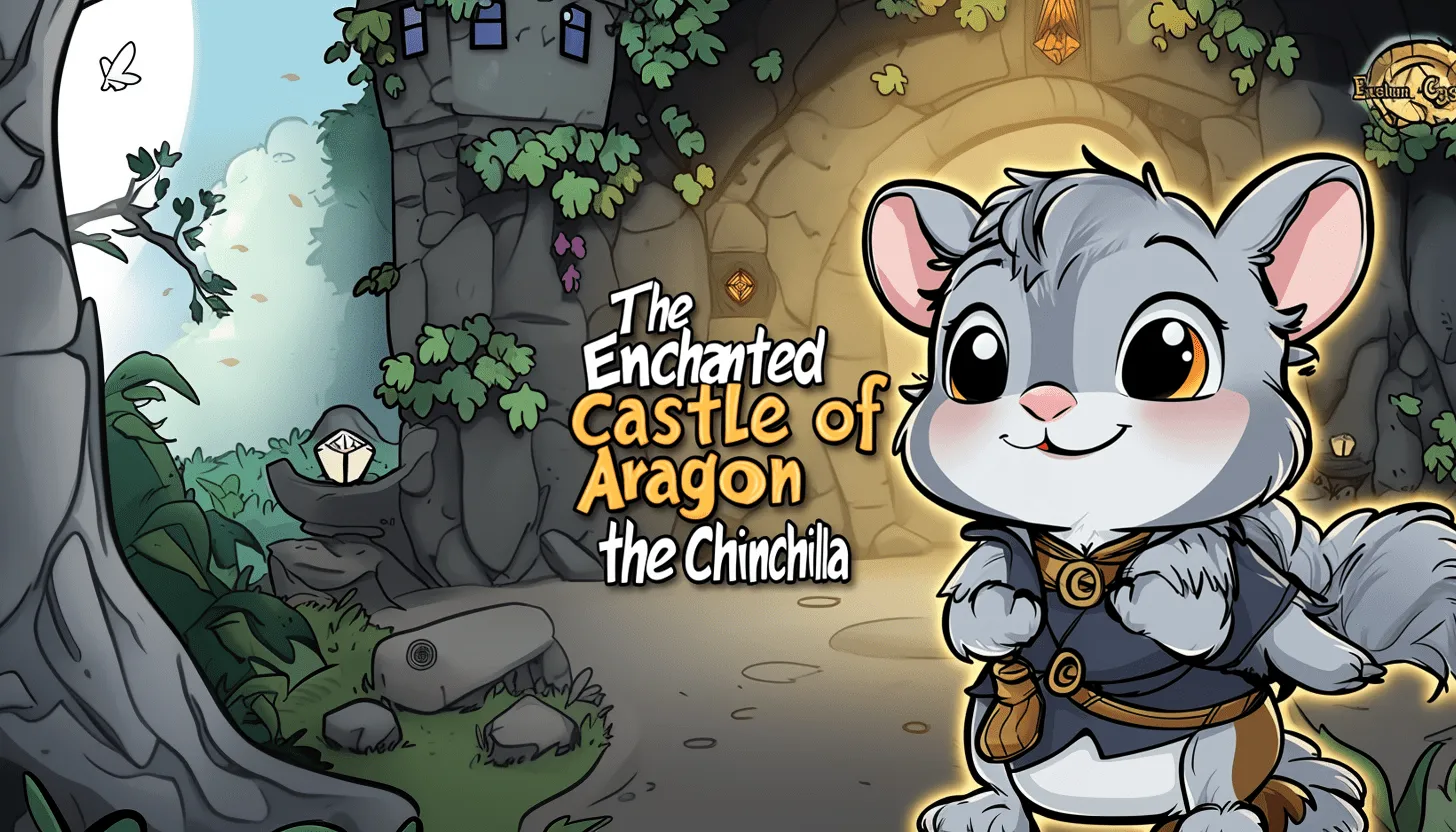
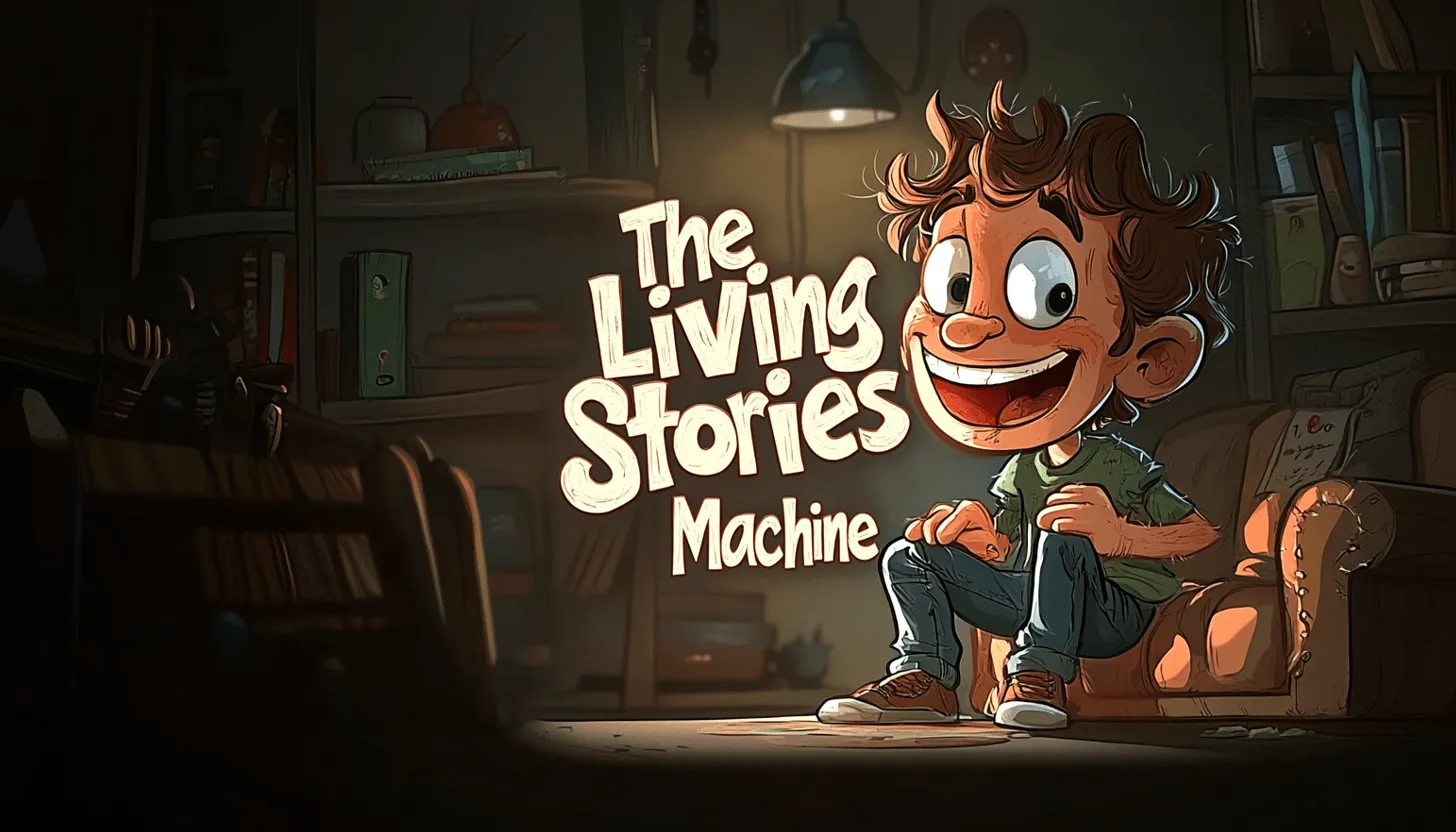

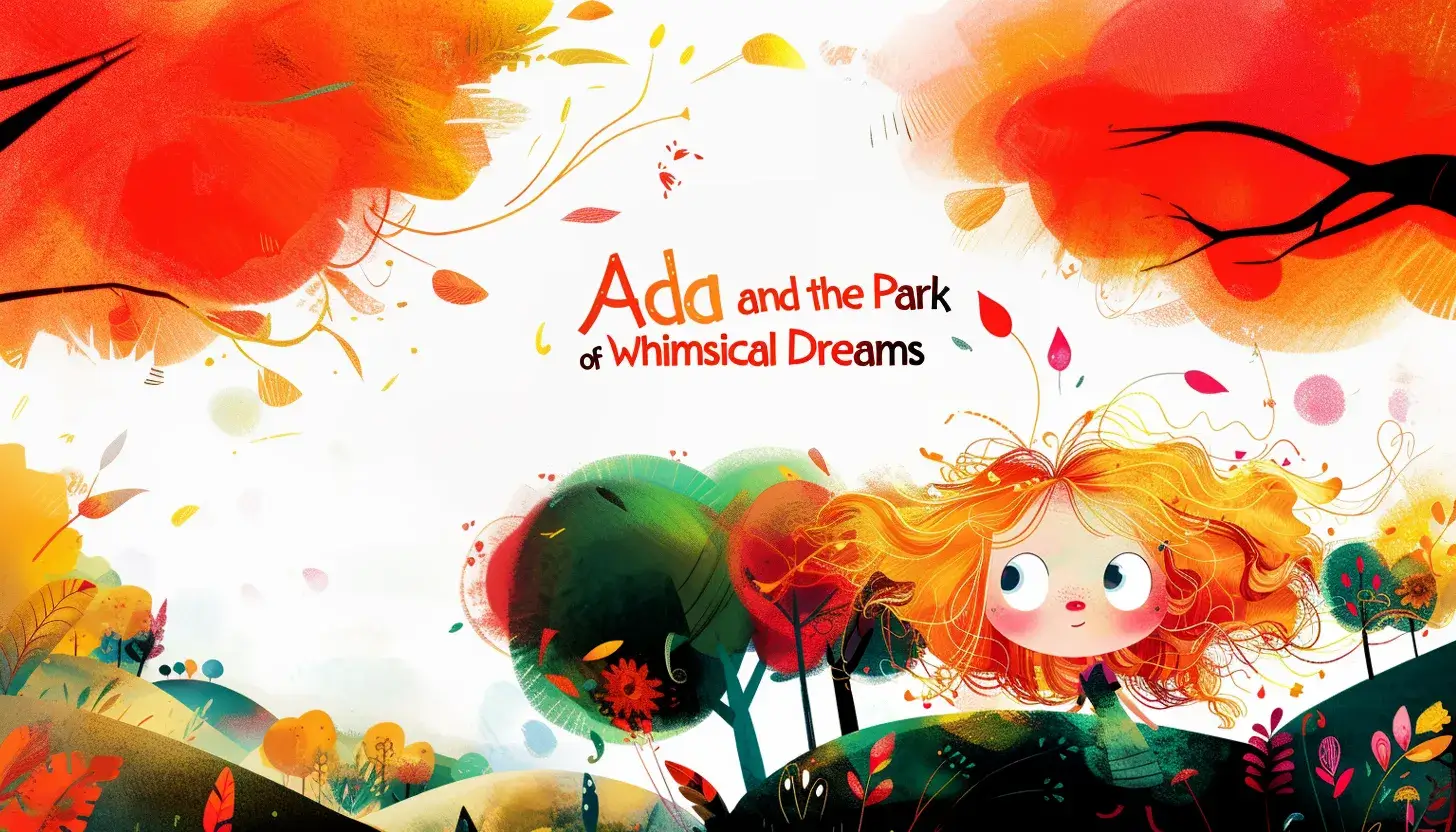
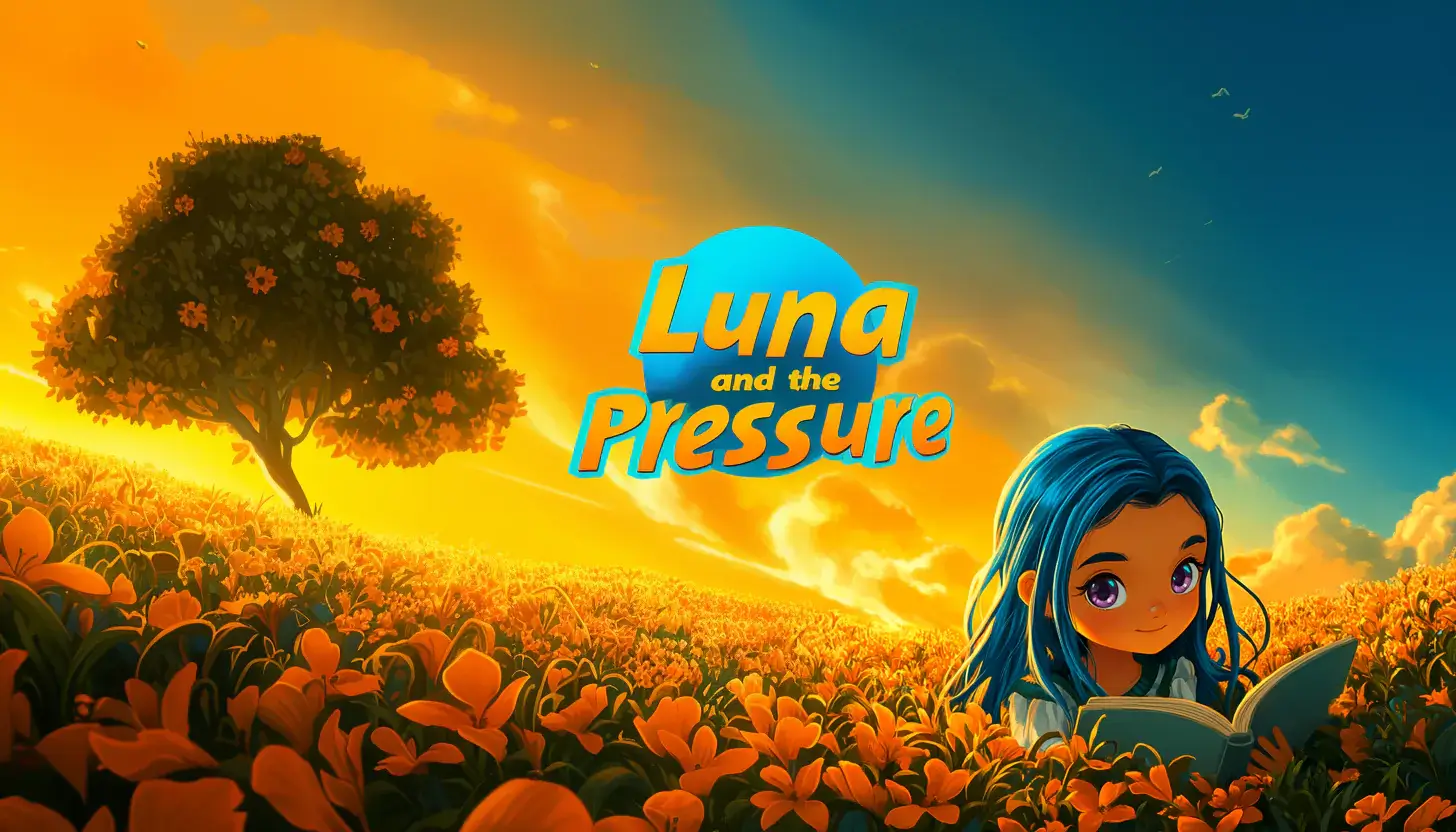
Creativity is not a mysterious gift reserved for artists; it's a fundamental skill that all children possess in abundance, but which is frequently stifled by educational systems focused solely on "correct" answers. Stories to boost children's creativity work as catalysts that reactivate this natural capacity, giving children permission to think unconventionally, ask questions without obvious answers, and inhabit imaginary worlds where ordinary rules don't apply.
When a child listens to a story where a prince decides not to rescue the princess because she's perfectly fine defending herself, or where villains turn out to be simply misunderstood, they're being trained to question assumptions and generate alternative narratives. These stories to boost children's creativity don't just entertain; they transform the very structure of how children think about stories, characters, and possibilities.
Research in cognitive neuroscience shows that regular exposure to creative narratives increases activity in brain areas associated with abstract thinking, innovative problem-solving, and artistic expression. In our collection of stories to boost children's creativity, we celebrate rarity, originality, and the ability to imagine what others cannot see.
Why is creativity essential in childhood?
Creativity is not a luxury; it's a developmental necessity. Children who develop strong creative skills tend to be more resilient when facing challenges, better problem-solvers, and more adaptable to unexpected changes. Moreover, creativity is directly linked to happiness: children who have opportunities to create, imagine, and express themselves show significantly higher levels of personal satisfaction.
Stories to boost children's creativity offer a safe space where imagination is not just welcome, but celebrated. Unlike books with clear educational goals (teaching numbers, letters, etc.), these tales exist primarily to activate the child's imaginative machinery and demonstrate that the wildest ideas often turn out to be the most valuable.
How stories awaken imagination
The best stories to boost children's creativity work through several mechanisms. First, they present worlds with different logic than reality: inverted gravity, color languages instead of words, animals governing cities. Second, they include problems requiring imaginative solutions, not standard ones. Third, they celebrate eccentricity: the most memorable characters are often those who think differently.
The role of fantasy in creative development
When a child enters an enchanted forest populated by impossible creatures, they're mentally practicing how to navigate complex realities. Though the forest is fictional, the cognitive skills required to understand and adapt to it are very real. Stories to boost children's creativity that incorporate fantastical elements are, in fact, training the child's brain in flexible thinking.
Especially between ages 3-8, fantastical thinking is a completely normal and necessary developmental stage. Stories that embrace fantasy thinking, rather than discourage it, allow the child to develop their imaginative capacity to the fullest before the pressures of formal education begin to constrain it.
Neuroimaging has demonstrated that when children immerse themselves in fantastic stories, the brain activates regions associated not only with visualization, but also with simulating hypothetical events and generating alternative scenarios. This is exactly what we need to train if we want to foster creative thinkers who can imagine different futures, solve novel problems, and see possibilities where others see obstacles.
Creativity as a tool for emotional expression
Stories to boost children's creativity also serve as vehicles for children to express complex emotions they may not be able to articulate directly. A story about a monster who just wanted to be accepted can allow a shy child to explore their own feelings about not fitting in. Stories become mirrors in which children see their own internal struggles reflected.
This mirror function is crucial for emotional development. A child going through a period of loneliness can find in a story a character who also feels alone, and see how that character found community, friendship, or purpose. The emotional catharsis that occurs through identification with fictional characters is one of the most powerful tools in child psychotherapy.
Promoting creativity at home
To maximize the impact of stories to boost children's creativity:
1. Read with emphasis on the absurd: When you encounter something peculiar in the story, highlight it: "A king who only eats sandwiches backward! Can you imagine why?" This invites the child to generate their own creative explanations.
2. Pause for open-ended questions: Instead of finishing the story, sometimes pause at a turning point and ask: "What do you think is going to happen now?" This transforms reading into a collaborative experience where your child is a co-storyteller.
3. Create story extensions: After reading, invite your child to imagine what happens next: "What does the character do the next day?" or "What if the characters switched roles?" These questions stimulate counterfactual thinking, a crucial skill for creativity.
4. Mix reading with art: Stories to boost children's creativity are especially powerful when combined with artistic activities. After reading, draw, build, or act out parts of the story. Sequential art following reading reinforces and expands creative work.
5. Respect unique interpretation: When your child reimagines elements of the story differently than you did, celebrate that divergence. Every unique interpretation is an act of creativity.
Breaking mental boundaries through narrative
There are limits that we adults have constructed around thinking. We believe water must flow downward, that trees cannot talk, that numbers are boring and objective. Stories to boost children's creativity dismantle these limits playfully. What if water flowed upward? What secrets would a thousand-year-old tree whisper? What stories would a number tell if it could speak?
When children spend time in worlds where these things are possible, their brains reprogram themselves. These stories teach implicitly that the rules we believe fixed are actually conventions, and that innovators are those who dare to ask: "What if things worked differently?"
The future of the creative
Children who grow up with a constant diet of stories to boost children's creativity develop distinctive psychological characteristics: greater tolerance for ambiguity, more cognitive flexibility, and a mindset that sees problems as opportunities to innovate rather than threats to avoid.
In a world that increasingly values innovation, the ability to think creatively is not optional extra; it's a survival skill. Stories to boost children's creativity don't just entertain today's children; they're shaping tomorrow's innovators, artists, and thinkers. Every act of imagination that occurs during reading is training for the capacity for daydreaming, innovation, and vision that these children will need.
Explore our collection of stories where the impossible is probable, where characters think in spirals rather than straight lines, and where each page turn opens new possibilities for what could be real. Because in childhood, creativity is the true currency of the realm, and these stories are the tools with which our children will build the future.