

Cuentos Recomendados
Stories to Help Kids Manage Anger
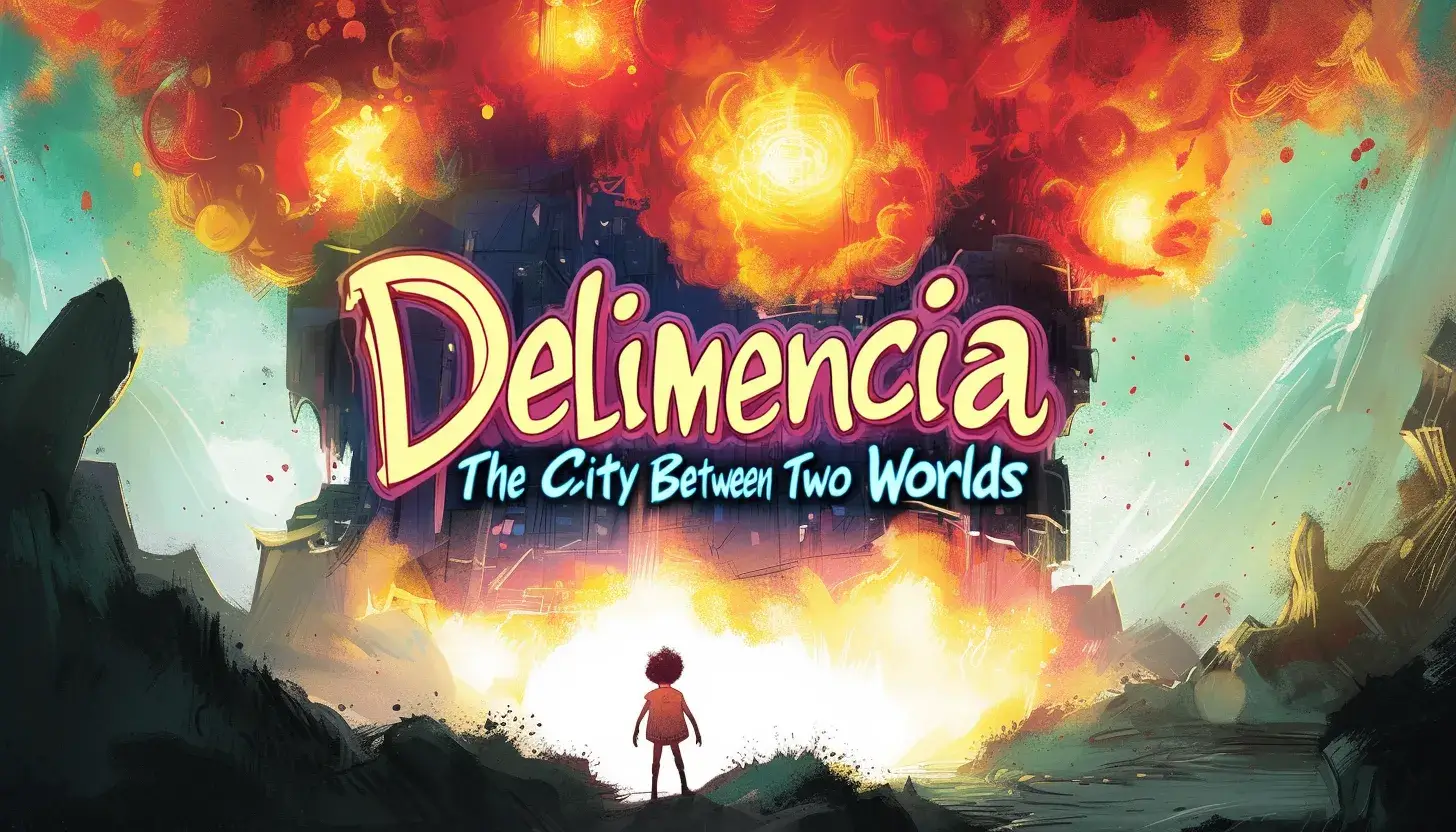
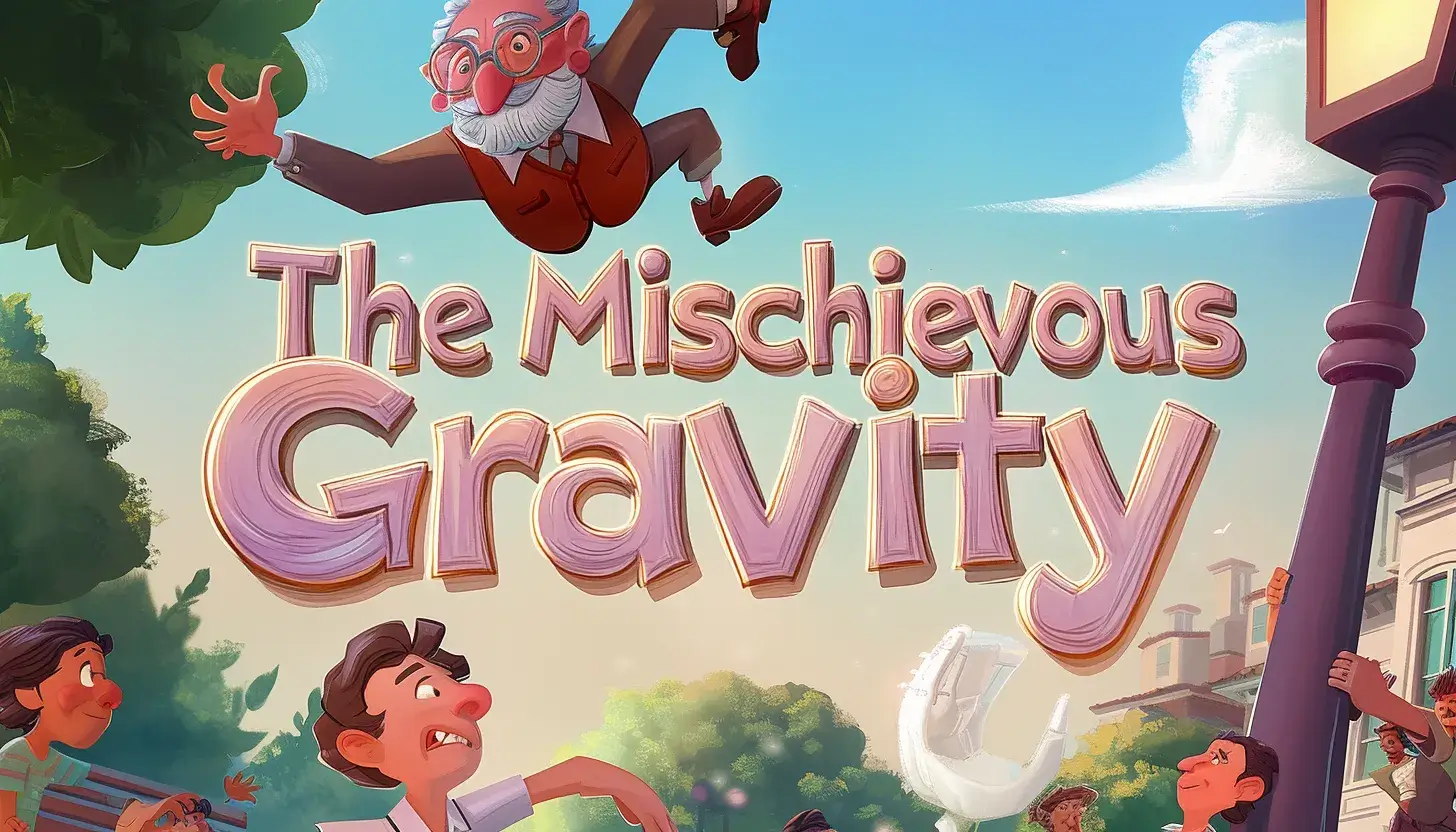
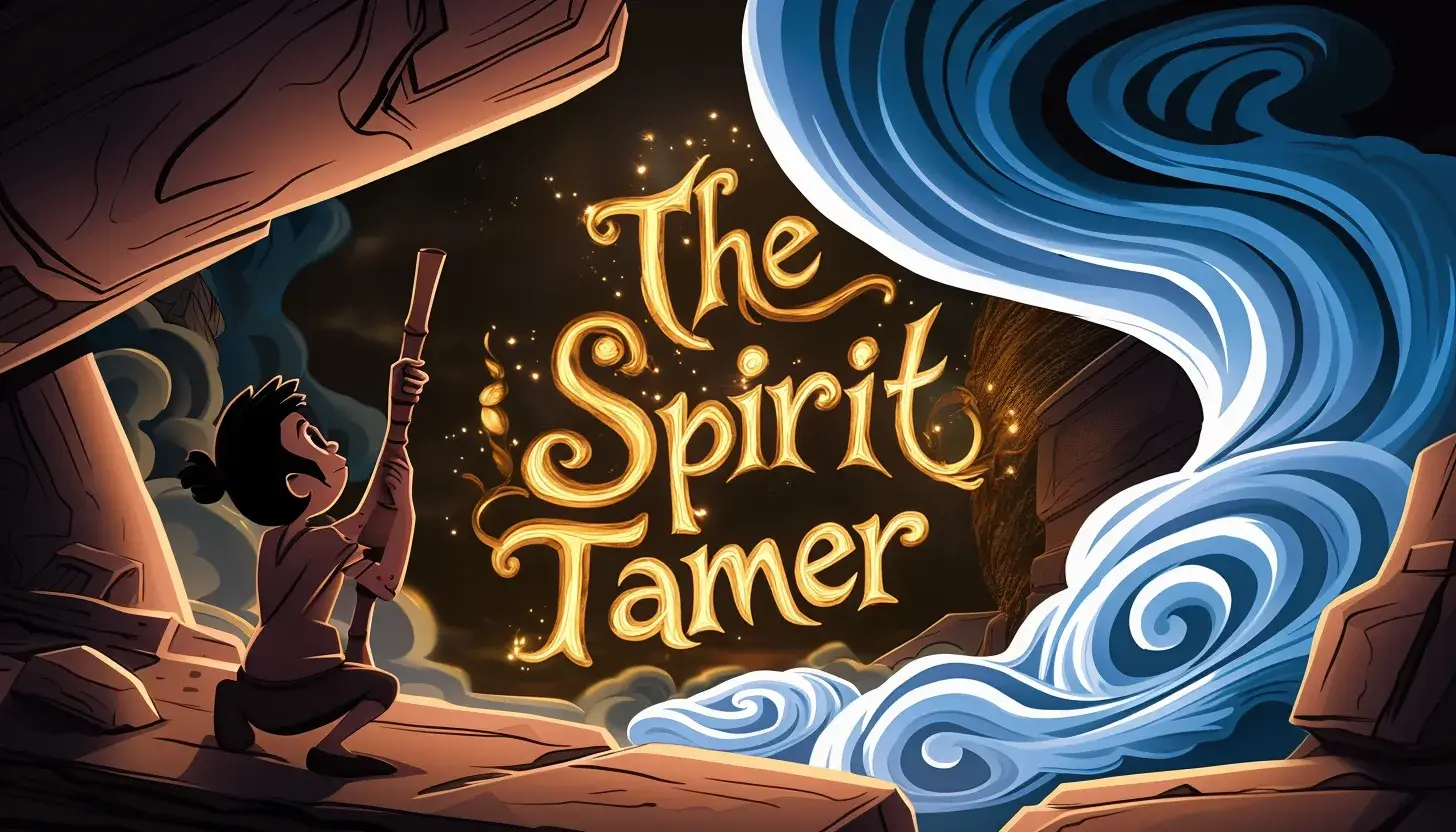




Anger is a normal emotion. The problem isn't feeling anger - it's how we express it. Stories to help kids manage anger teach exactly this: that anger is valid, but there are intelligent ways to channel it.
Through narratives where characters face injustice, feel legitimate anger, but learn to channel it toward transformative action, children develop capacity to be assertive without being aggressive.
What makes these stories particularly valuable is that they don't pathologize anger. They don't send the message "anger is bad and you should avoid it at all costs." Instead, what they communicate is: "Your anger is information. Your anger is telling you that something matters. Now learn what to do with that information in a way that benefits rather than harms".
From Explosion to Control: The Learning Journey
Stories to help kids manage anger teach that emotional control is a skill, not innate talent. It's learned. Characters start like many children - exploding, hitting, yelling. But learn techniques: breathing, pauses, verbal expression of emotions, constructive channeling.
The child listening understands: "If the character learned to manage anger, I can too. I have tools. I can do better."
What's crucial is that these stories don't present anger management as repression. They don't say "don't feel angry." They say "feel the anger, acknowledge it, breathe with it, then decide intelligently what to do." This approach creates children who can be angry AND effective. Who can be furious and still make wise decisions. Who understand that feeling anger doesn't mean they must act destructively.
Constructive vs. Destructive Anger
Stories to help kids manage anger distinguish between anger that destroys and anger that builds. Destructive anger: hurting others, breaking things, insulting. Constructive anger: motivating change, defending justice, demanding what's right.
A child who learns this distinction isn't afraid of their anger. Sees it as signal: "Something unjust is happening. I must act." And acts constructively, not destructively.
Regulation Techniques Through Narrative
Stories to help kids manage anger teach specific regulation techniques: recognizing physical signs of anger, deep breathing, pause before acting, verbal expression of feelings, seeking solutions instead of blame.
The child doesn't just learn theory - sees characters using these techniques in real situations. When facing their own anger, they remember: "I can breathe. I can pause. I can choose how to act." This is transformative.
The Role of Adults in Modeling Healthy Anger Management
While stories to help kids manage anger are powerful, their impact multiplies when the adults in a child's life also model healthy anger management. A parent who can say "I'm angry, I need to calm down" teaches more than any story. Stories create the framework - adults reinforce it.
When a child sees a trusted adult express anger constructively, the message is crystal clear: "Anger is human. There are intelligent ways to express it. Adults I respect do it this way." This combination of stories plus modeling is devastatingly effective.
The Roots of Anger: Validation Before Control
A common mistake in emotional education is trying to make children suppress anger. Stories to help kids manage anger work differently - they validate first. They recognize that yes, there are things that cause legitimate anger. Injustice causes anger. Violation of boundaries causes anger. Disrespect causes anger.
A child listening to these stories doesn't feel guilty for feeling angry. Instead, they understand that their anger is valid information - it's their internal system telling them "something is wrong here." The next step isn't "repress your anger" but rather "now that you know you're angry, what will you do about it?"
This validation is crucial. Many children who explode with anger do so precisely because they've tried to repress it, and the accumulated pressure explodes. Stories teach healthy expression, not repression.
From Silence to Voice: Healthy Emotional Expression
Stories to help kids manage anger show that there are countless ways to express anger between the extremes of violent outburst and repressive silence. You can speak with firmness. You can set clear boundaries. You can write, draw, create. You can ask a trusted adult for help.
Characters in these stories model these options. The child sees that expressing anger doesn't mean yelling and hitting. It means communicating honestly: "I'm angry because...", "I don't like that...", "I need...". These are communication skills that serve them for life.
When a child learns these ways to express anger, paradoxically, the frequency and intensity of explosions decreases. Because they finally have release valves - ways to process what they feel without harming others or themselves.
Radical Emotional Intelligence: Accepting All Emotions
Stories to help kids manage anger teach something revolutionary: true emotional intelligence isn't having only "positive" emotions. It's the capacity to feel the full range of human emotions - including anger, frustration, and rage - and know what to do with them.
A child who believes they shouldn't feel angry is a child who will repress that emotion and eventually explode. A child who accepts that anger is legitimate, validates it, and then learns what to do with it, is a child who develops true emotional maturity.
The stories model this acceptance. Characters aren't punished for feeling anger - they're guided in how to channel it constructively. The child learns: my emotions are okay. What matters is what I choose to do with them.
Transform Anger Into Power, Not Destruction
Listen now to stories about anger management! Give your child tools not just to avoid explosions, but to channel anger toward positive action. To be assertive without being aggressive. To be strong without being violent.
Stories to help kids manage anger create generations that don't repress emotions but don't use them to harm either. That understand anger is a teacher. That transform pain into action, injustice into activism, anger into constructive power.
This is true emotional intelligence: not avoiding feeling, but knowing what to do with what you feel. A child with this skill isn't "soft" or "weak" - is someone who knows how to be effective even when angry. And that's a gift that lasts a lifetime.