
Cuentos Recomendados
Stories to Learn and Discover: Wisdom Through Adventure

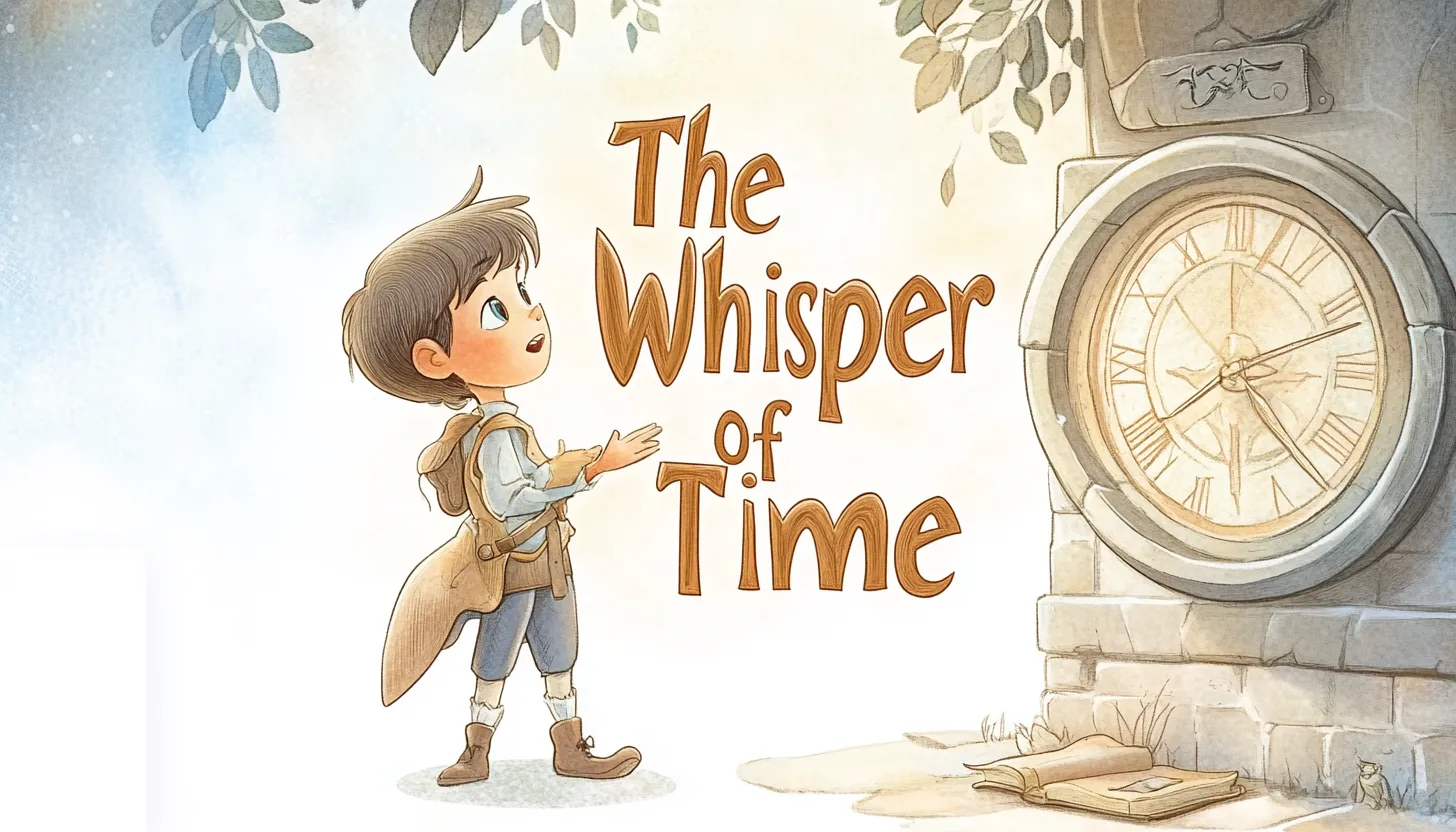
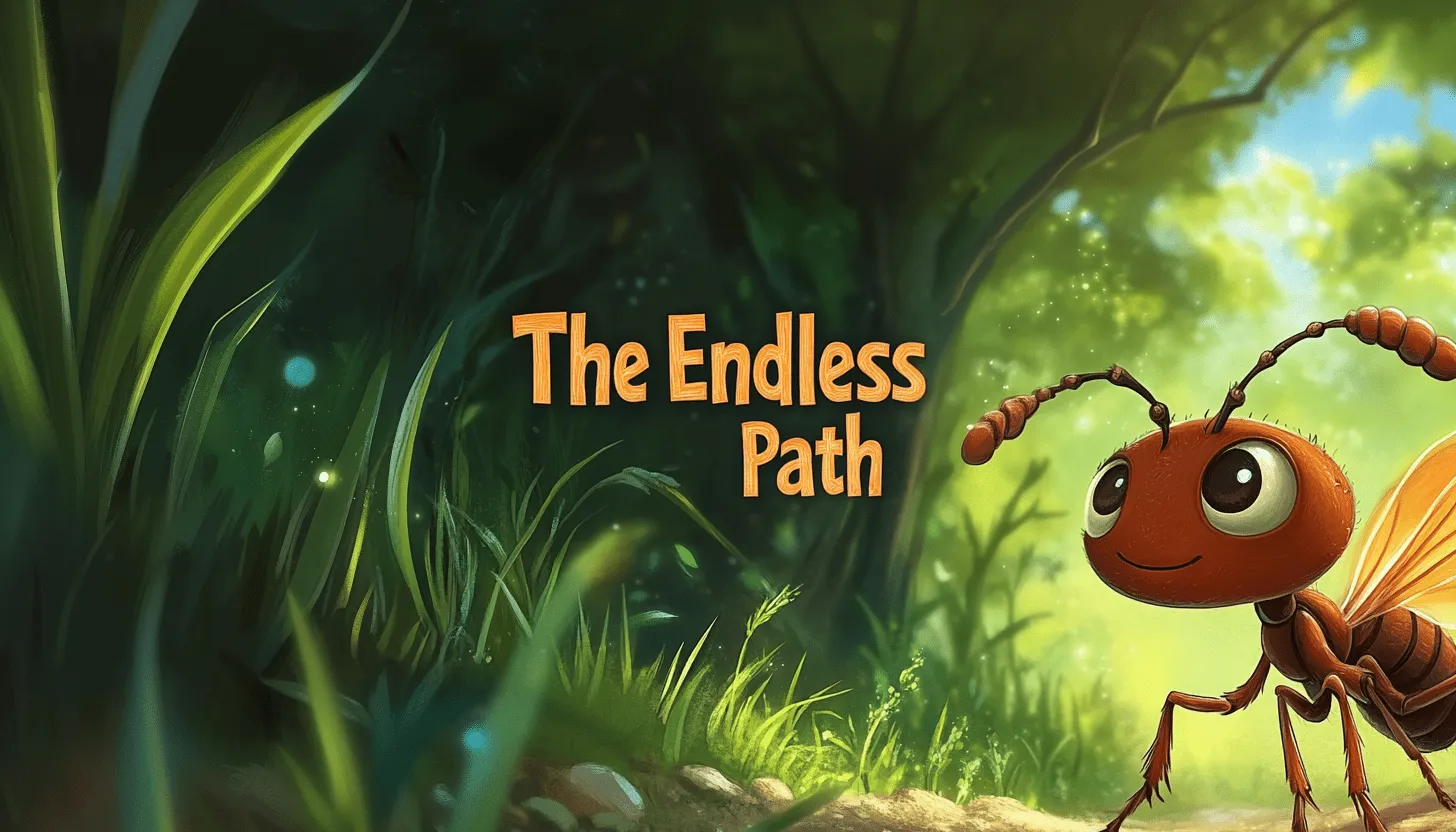
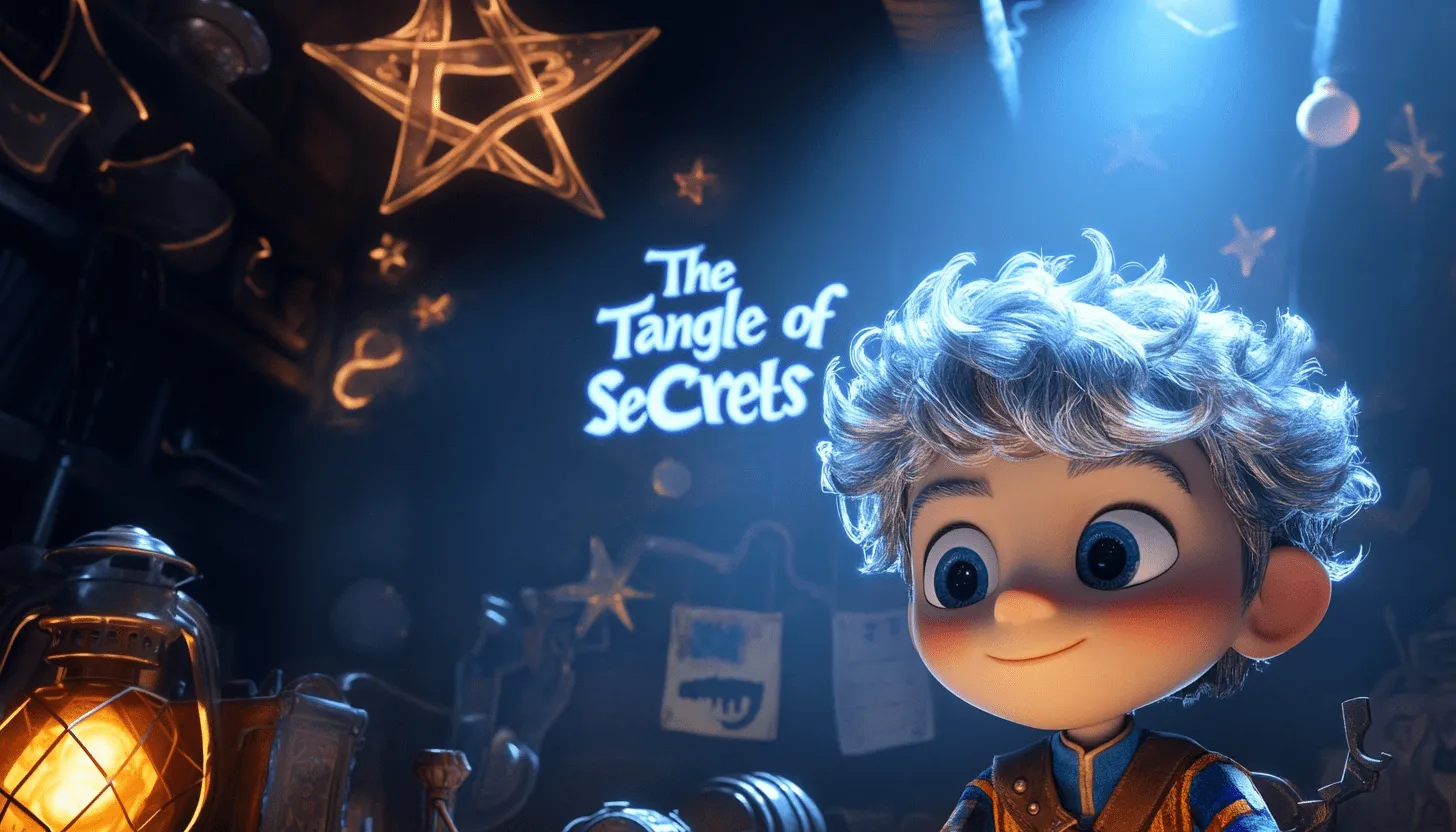
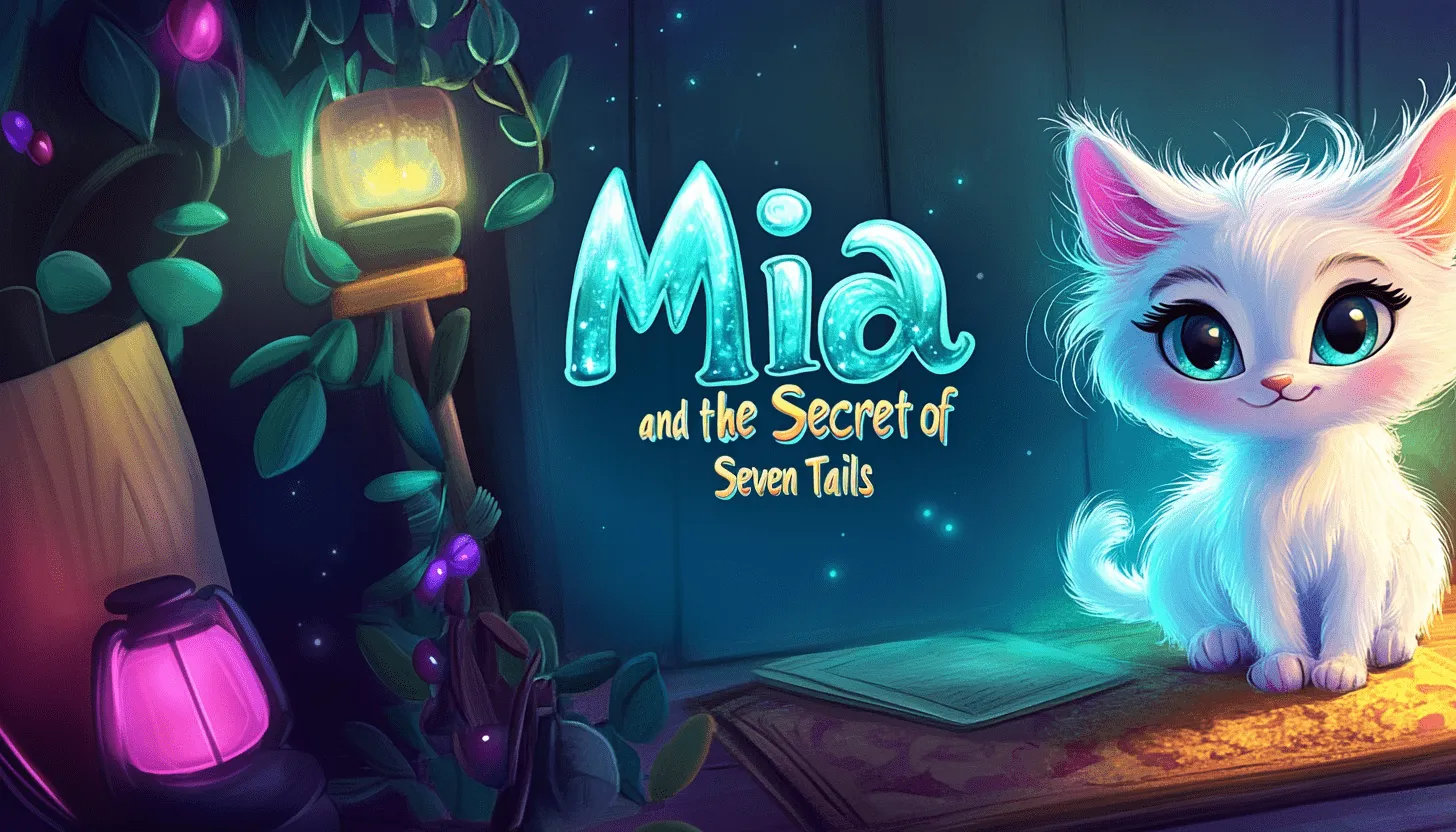
The deepest and most lasting learning doesn't happen through fact memorization, but through narratives that the brain can anchor to emotions and personal experiences. Stories to learn and discover leverage this fundamental truth of educational neuroscience, weaving lessons, concepts, and skills into stories so captivating that children don't perceive they're learning. A tale about a little explorer discovering how tides work can teach more about lunar gravitation than two hundred pages of scientific explanations.
These stories to learn are not pedagogy disguised as entertainment; they're entertainment that naturally contains pedagogy. When a child follows the protagonist solving a complex problem, they're developing critical thinking skills. When the character learns from their mistakes, the child is internalizing lessons about resilience and adaptability. When the narrative celebrates curiosity and questioning, the child is being programmed to see learning itself as an adventurous act.
In our collection of stories to learn and discover, we celebrate the idea that the greatest discoveries frequently start with simple questions, that knowledge is a treasure anyone can find, and that learning is perhaps the most exciting adventure a human being can undertake.
Why are stories superior to direct lessons?
The human brain is designed to remember stories. When information is presented as a narrative, with characters, conflict, and resolution, the brain activates multiple systems simultaneously: language processing systems, emotional systems, memory systems, and visual systems if the story is vivid enough. This multitasking of the brain results in retention that is exponentially superior to simple exposure to data.
Stories to learn and discover also have another crucial psychological advantage: they reduce the "resistance to learning" that many children feel. A child who directly rejects math could be completely hooked by a story about a character who must use math to solve a mystery. The narrative framework transforms the learning experience from something imposed to something sought.
Types of learning in stories
Stories to learn can transmit multiple types of knowledge simultaneously. They can teach facts (what a galaxy is, how photosynthesis works), cognitive skills (problem-solving, lateral thinking), values (empathy, honesty, courage), and metacognitive abilities (learning to learn, reflecting on one's own understanding). The best stories integrate several of these types of learning without the pedagogical intention being obvious.
Curiosity as the engine of learning
Stories to learn and discover with the most impact are those that cultivate the child's curiosity. They present mysteries to solve, questions without immediate answers, and worlds whose rules must be discovered through observation and reasoning. When a child finishes reading a story and wants to know "But how does that really work?" or "What if...?", the story has done its job: it has ignited the flame of genuine investigation.
Developmental psychologists recognize that intrinsic curiosity is the most powerful engine of learning. A child constantly asking "why?" is not being annoying; they're a learner at their best. Stories to learn that respect and feed this curiosity create lifelong learners.
Curiosity is different from memorization. A child memorizes because they're told they must. A curious child learns because they desire to understand deeply. Stories to learn and discover transform the child's mindset from "I have to learn this" to "I want to understand this". This transformation in motivation is perhaps the most valuable gift we can give a young learner.
Learning through error
One of the most valuable learning occurs when we make mistakes. However, mistakes in real life can have painful consequences. Stories to learn and discover offer a safe space where the child can vicariously experience the consequences of various decisions. The character takes a dangerous shortcut and learns a lesson about the importance of care. The character is dishonest and discovers that truth always emerges. The character assumes more than they can handle and learns about realistic limits. Each character's mistake is a lesson for the child.
This "learning by proxy" is one of the reasons stories have been educational tools since the beginning of civilization. Before the internet, before textbooks, humanity transmitted wisdom through stories because they work. When someone in a story makes a mistake and faces the consequences, the listener's brain forms the same neural connections as if they had made the mistake in person, but without the suffering.
Facilitating learning through stories
To maximize the educational impact of stories to learn and discover:
1. Read with educational intention but without rigidity: If you're reading a story that contains a lesson about ecology, keep that in mind, but don't interrupt the narrative with forced explanations. Let the story flow; the lesson is in the plot.
2. Pause for reflective questions: At key moments, pause and ask: "What do you think the character just learned?" or "Why do you think that happened?" These questions invite metacognitive thinking.
3. Connect with the real world: After reading, seek connections with daily life. "Remember when the character discovered X; have you noticed something similar in our neighborhood/school/home?" This transfers learning from fiction to reality.
4. Cultivate further investigation: If the story generates unanswered questions (How do fish really breathe?), that's perfect. Suggest: "Do you want to investigate this together?" This turns the story into a starting point for real learning.
5. Celebrate the character's learning: "Look at how much the character learned during the story. What did you learn?" This reinforces the idea that learning is a valuable process of transformation.
The science and magic of discovery
The best stories to learn and discover reveal that learning is not a dry act of data accumulation. It's a journey of discovery, often surprising, where answers lead to more interesting questions. A story where a character investigates why the sky is blue might end with understanding the physics of light, but more importantly, it ends with the recognition that the universe is stranger and more wonderful than they imagined.
This sense of wonder is the compass that should guide learning. Stories to learn that generate wonder rather than just information have transformative power over a child's relationship with learning itself.
From schooling to genuine learning
There is a crucial difference between formal education (what's taught in schools) and genuine learning (the construction of meaningful understanding). Stories to learn and discover align with genuine learning. They can be complementary to formal education, providing context and meaning, or they can be the main engine of learning for children who find traditional school systems limiting.
Researchers in education have found that children who grow up with access to high-quality stories to learn tend to be stronger readers, more critical thinkers, and more self-motivated learners. It's not that the story teaches "the content"; it's that it ignites in the child the desire to understand more deeply.
In our stories to learn and discover, every character who investigates, who asks questions, who pursues truth, models for the child that learning is the most noble adventure of all. Every answer found is a victory. Every unanswered question is an invitation to keep seeking.
Explore our collection of stories where each page opens new questions, where characters discover truths through observation and reflection, and where learning itself is presented as one of the greatest adventures that exists. Because true learning is, in essence, the discovery that the world is more interesting, more complex, and more beautiful than we ever imagined.