


Cuentos Recomendados
Stories to Overcome Childhood Fears: Courage, Bravery, and Confidence
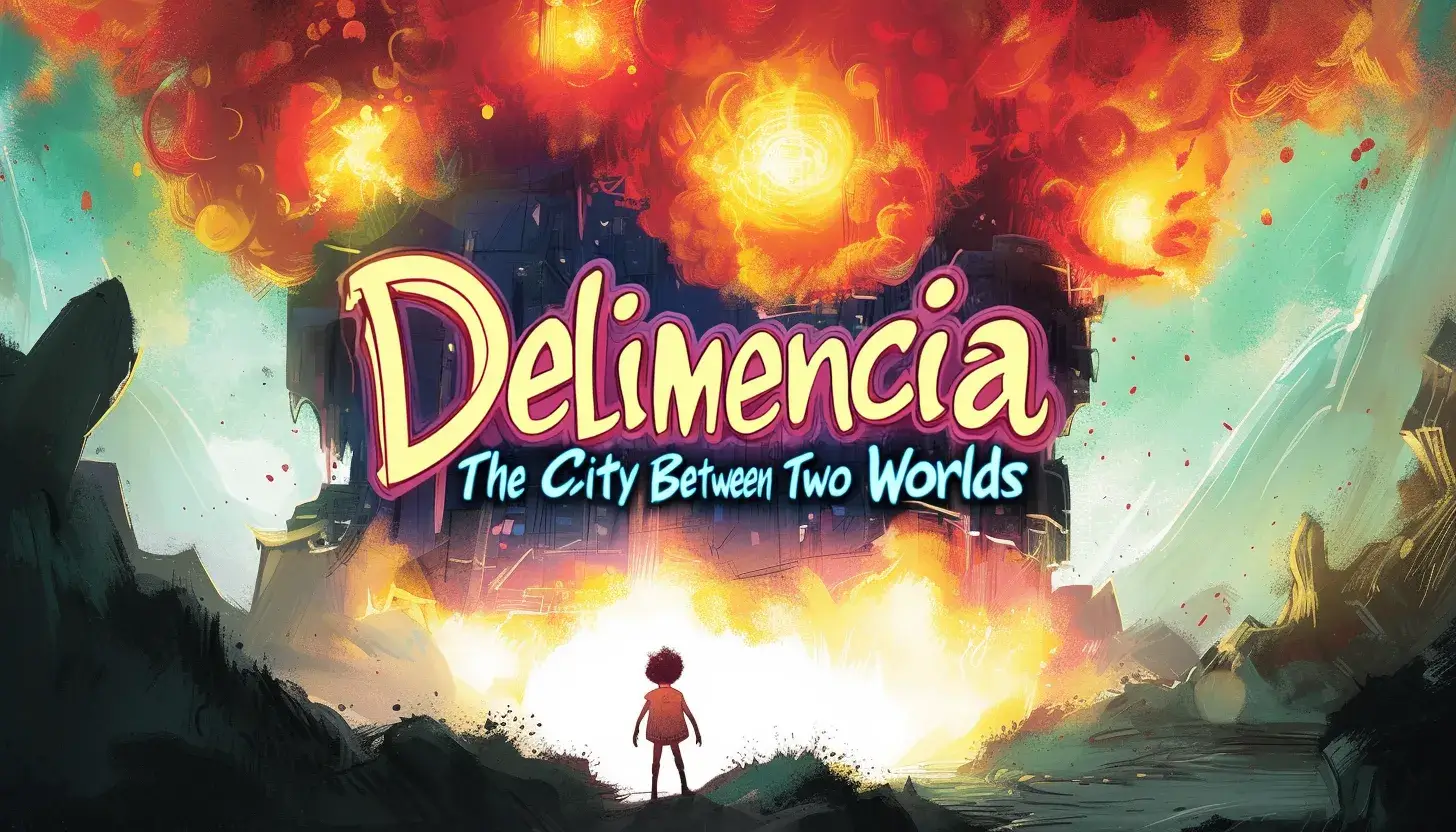
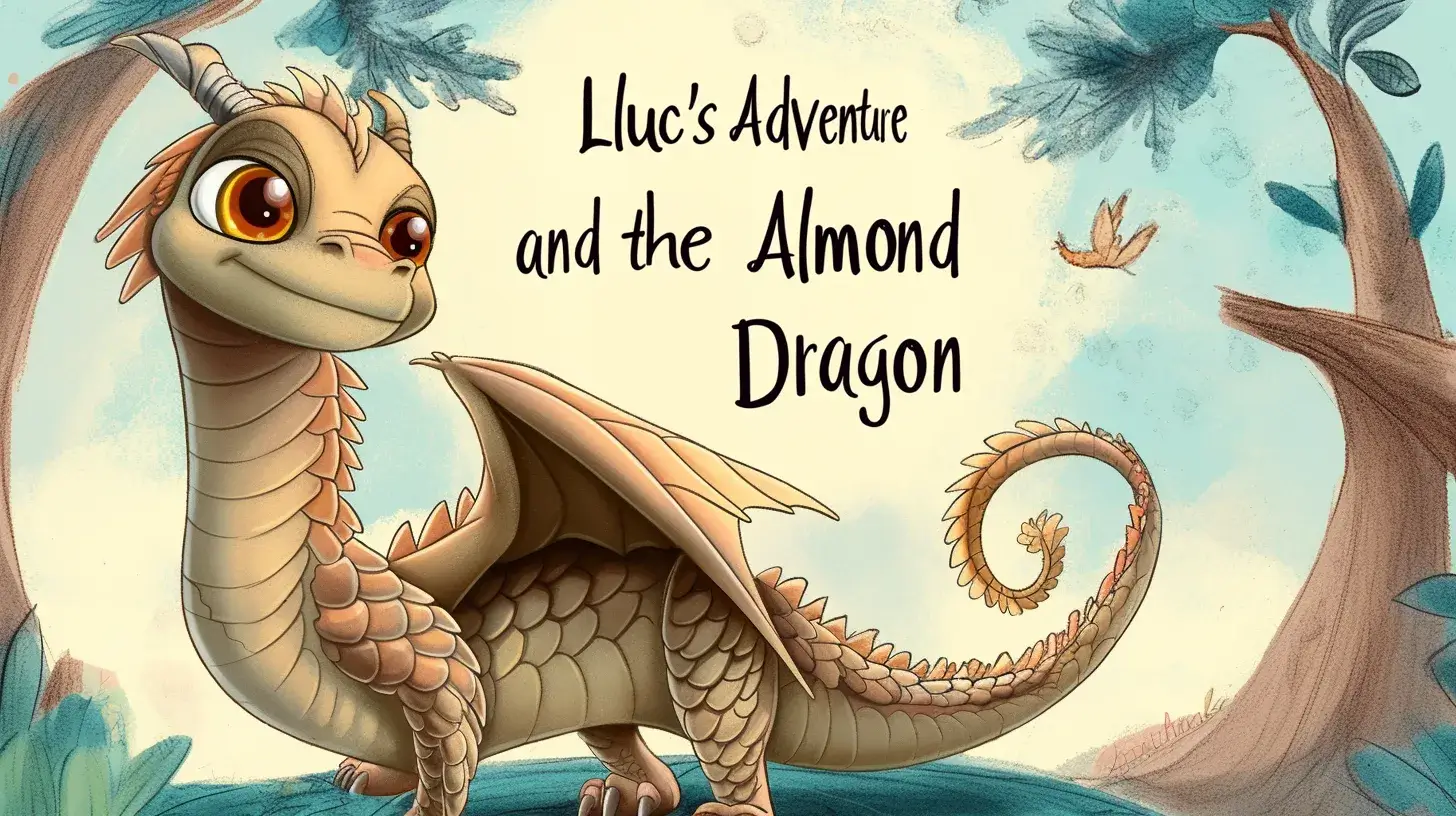
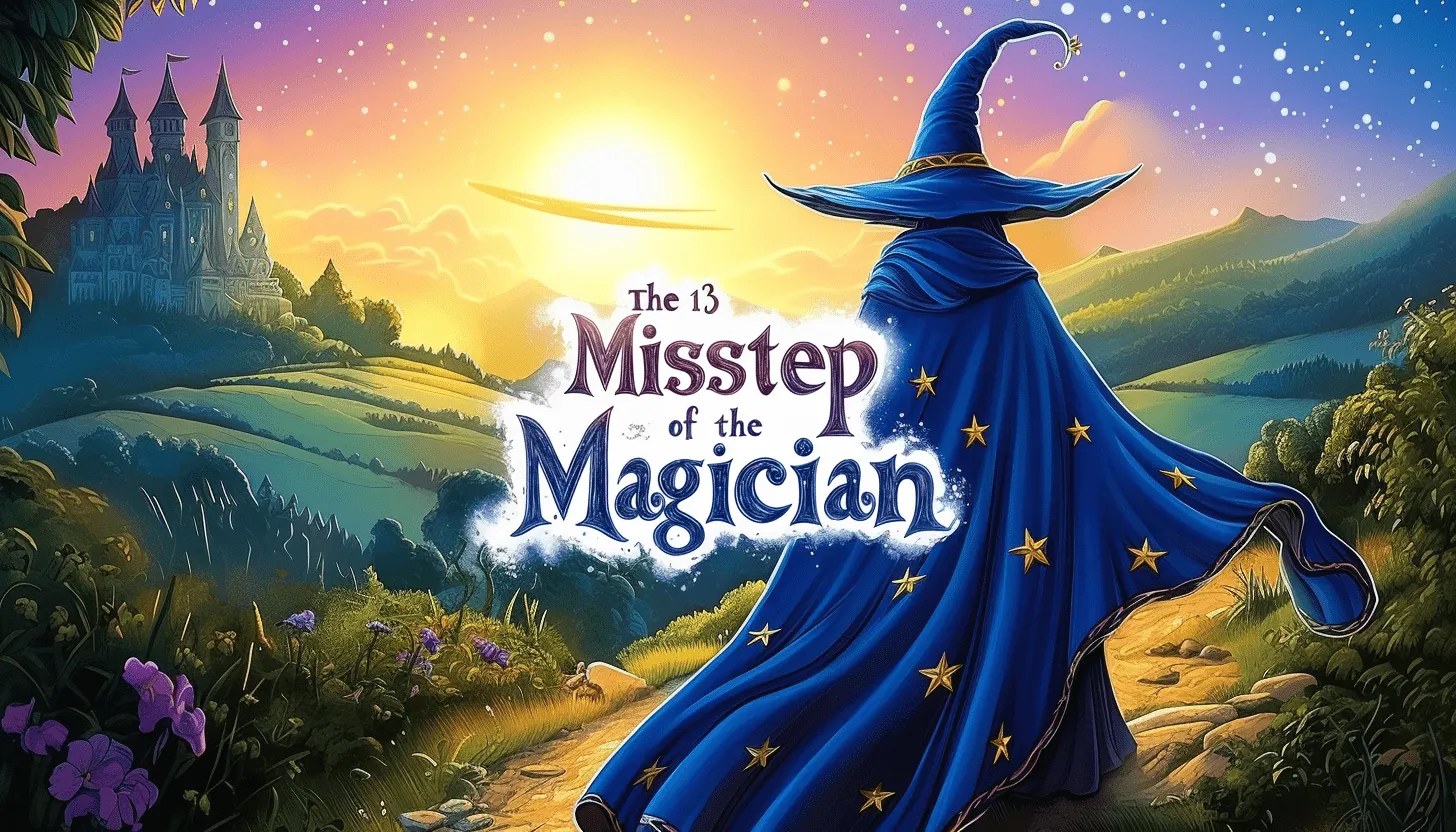
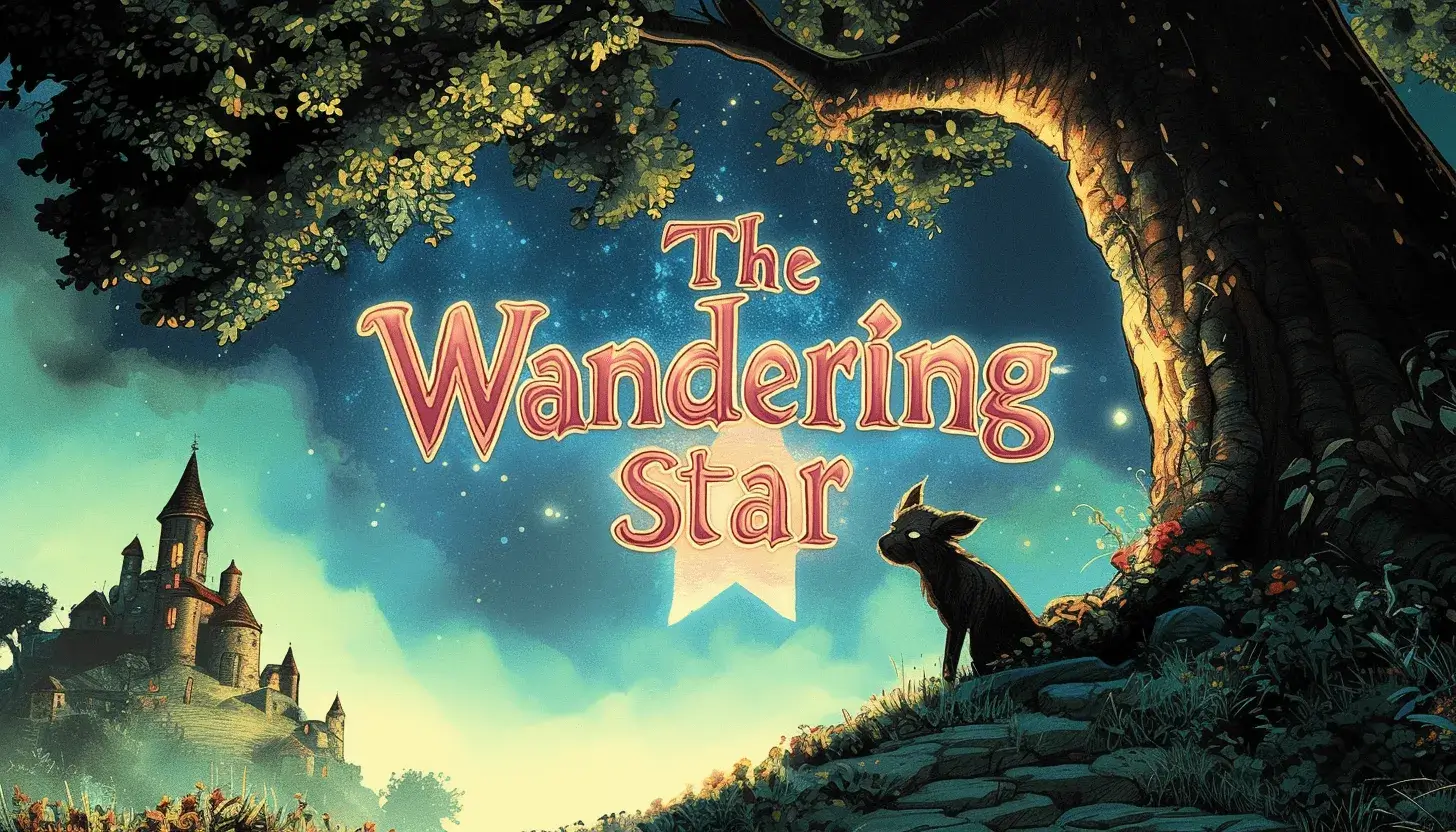








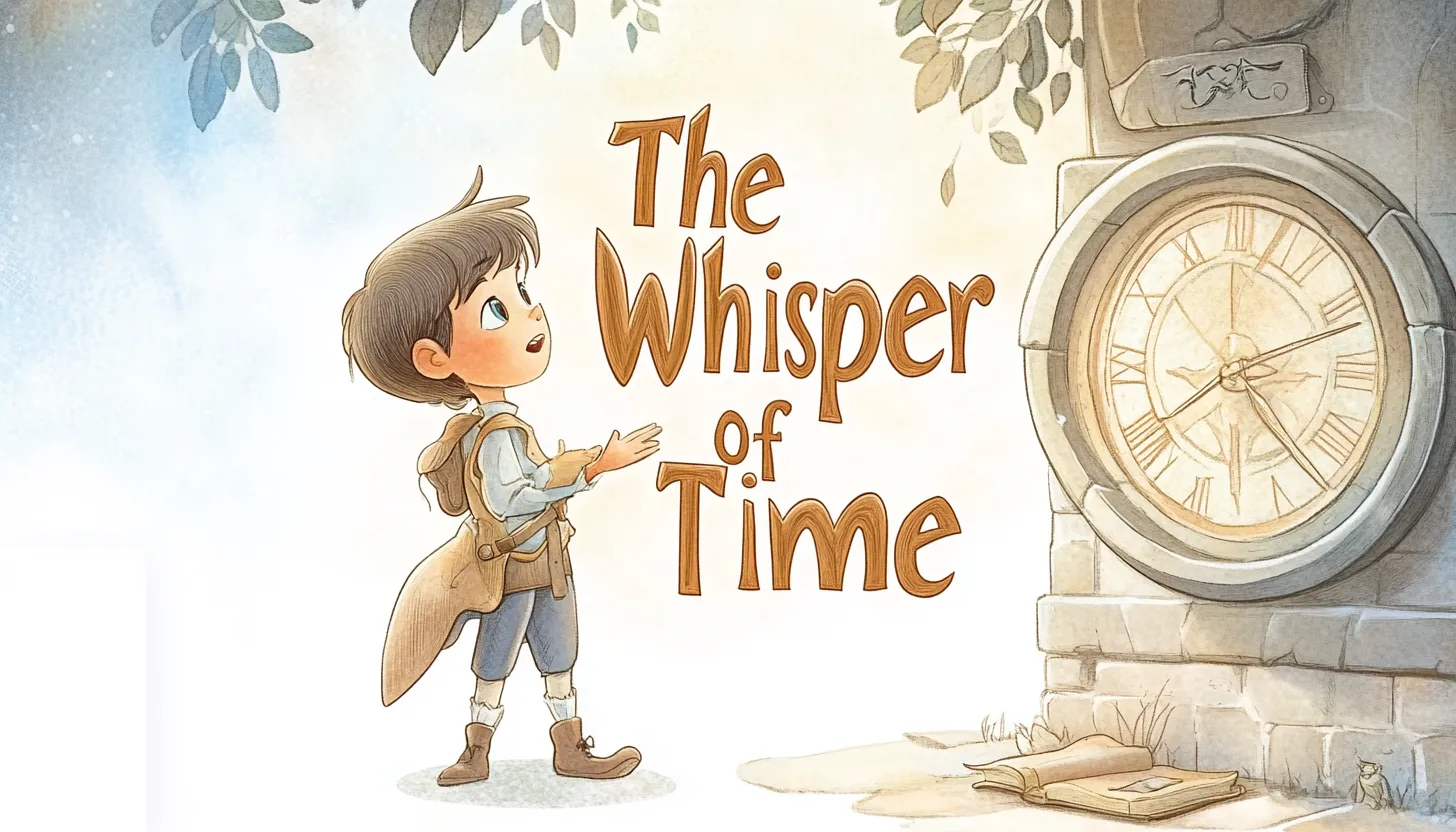

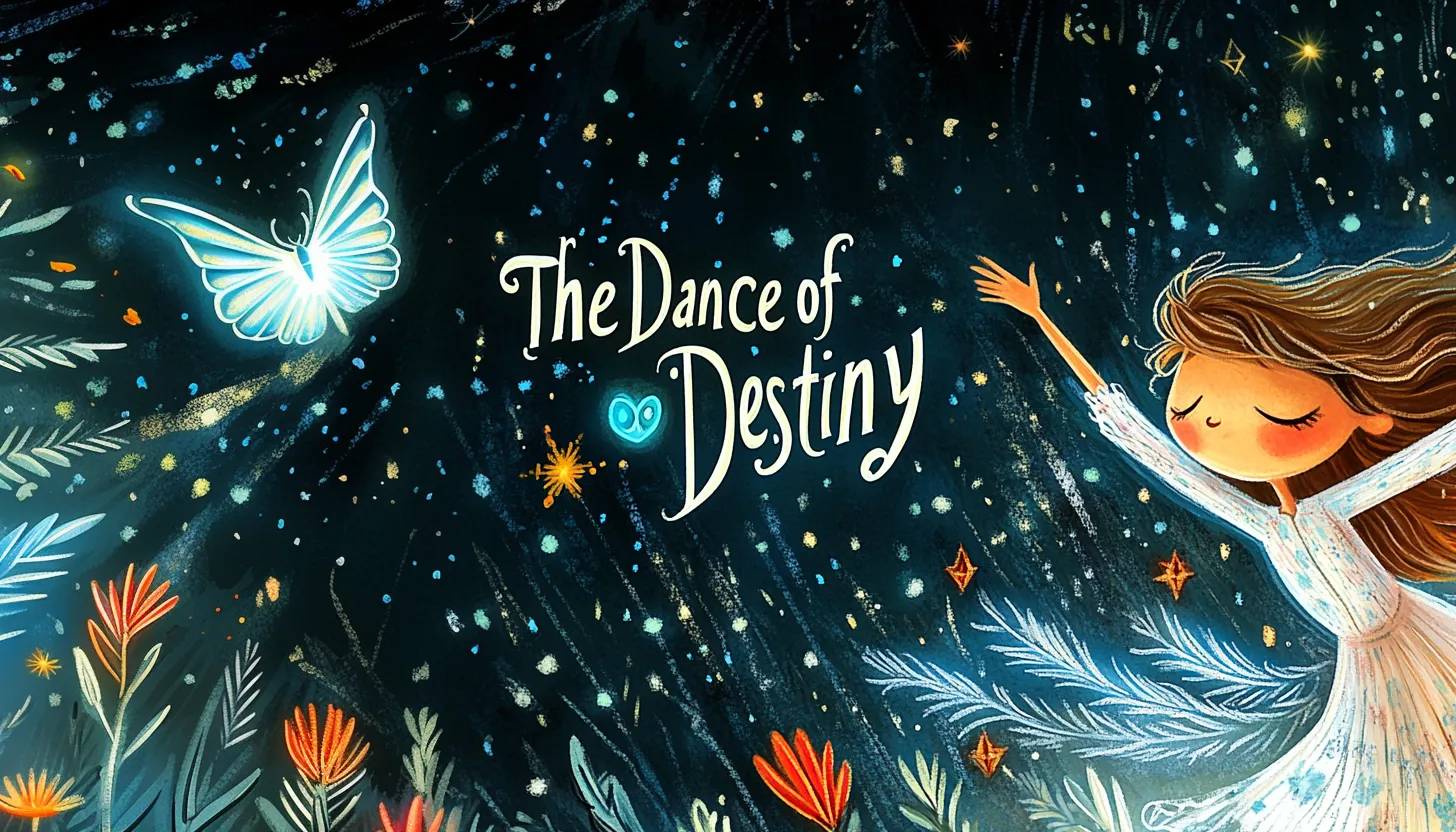
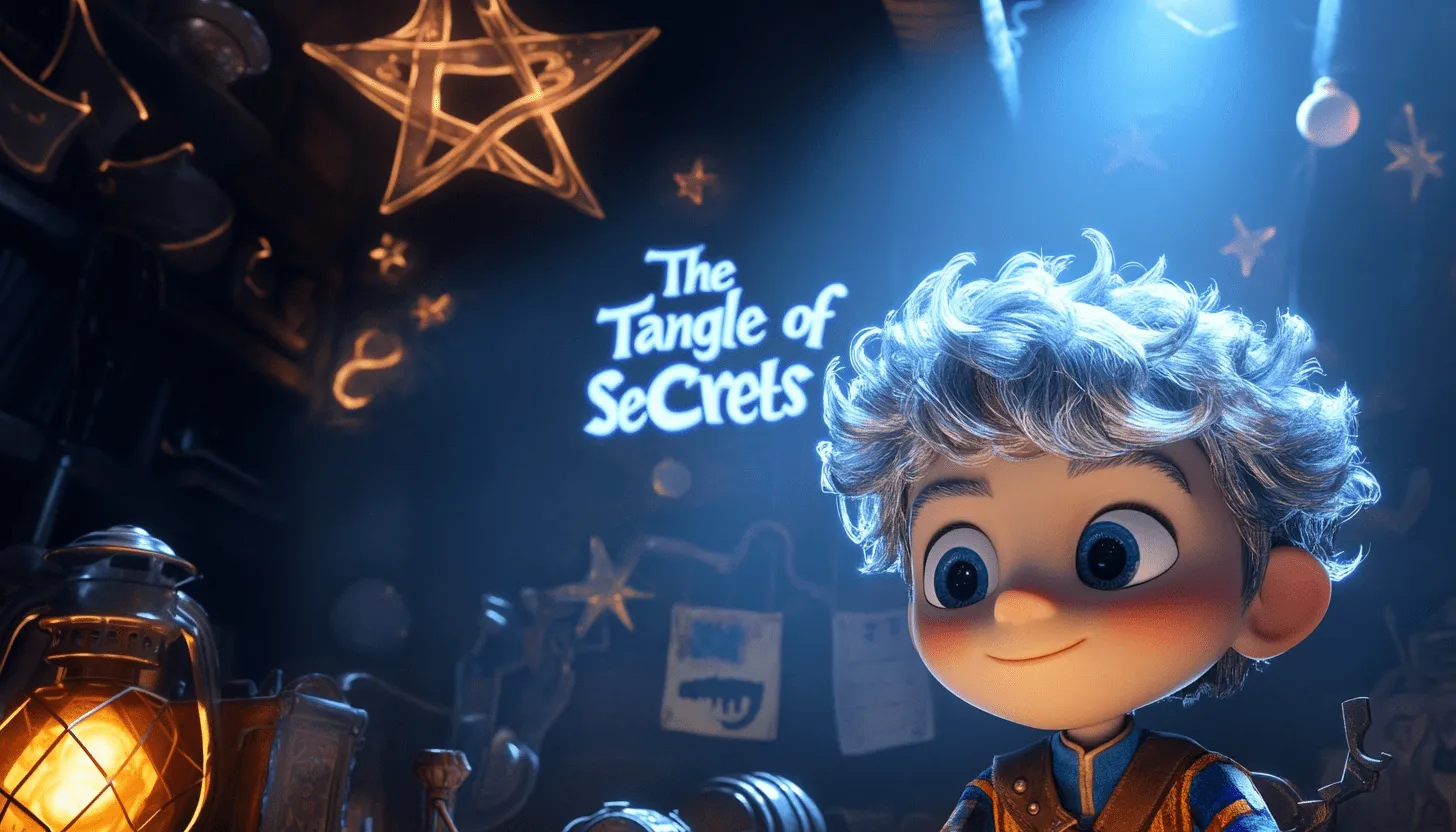
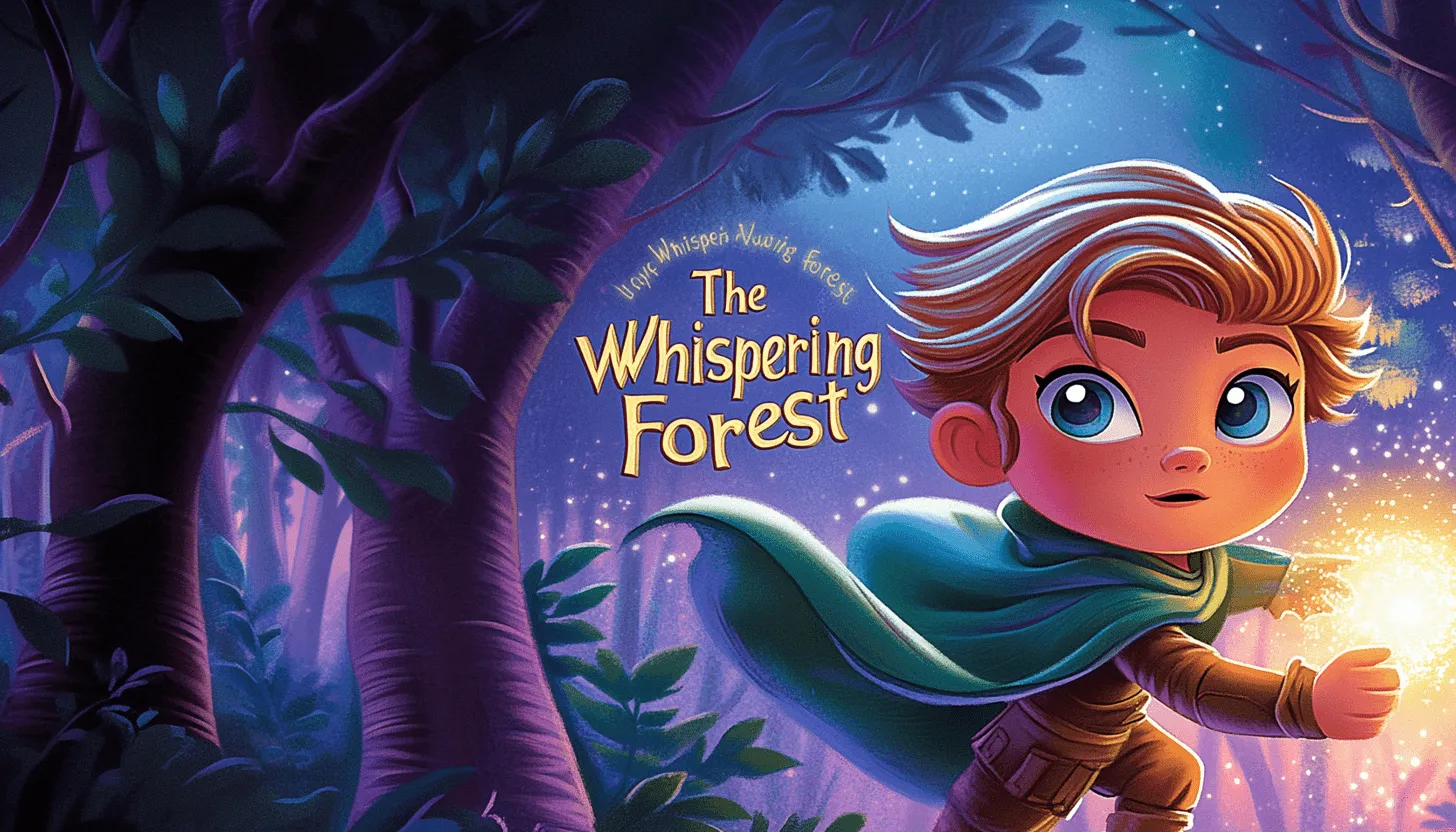
Childhood fears are completely natural and form part of every child's emotional development. However, when these fears become barriers that limit exploration and growth, it's time to intervene with powerful tools. Stories to overcome childhood fears act as a safe space where children can experience challenging situations through characters who, like them, feel afraid but discover the courage within themselves.
Child psychology demonstrates that children process their emotions better when they can project themselves into fictional stories. A tale about a little dragon who overcomes his fear of flying is much more effective than simply telling a child "don't be afraid." These narratives allow young listeners to see that fear is temporary, that it can be faced, and that on the other side exists a world of possibilities waiting for them.
In our collection of stories to overcome childhood fears, each story has been carefully selected to convey a clear message: fear doesn't define who you are, but the courage to face it does. From stories about fear of the dark to narratives about overcoming social insecurity, these tales transform anxiety into opportunities for personal growth.
Why are childhood fears important?
Contrary to what many parents believe, childhood fears are not weaknesses to be eliminated, but emotions that must be understood and transformed. A child who fears the dark is activating perfectly normal self-protection mechanisms. However, when that fear intensifies and affects their quality of life, stories to overcome childhood fears become invaluable therapeutic tools.
Research in child development shows that children who learn to face their fears progressively develop greater emotional resilience, better self-esteem, and more robust problem-solving abilities. These benefits extend beyond childhood, preparing young people to face more complex challenges during adolescence and adulthood.
Common types of childhood fears
Fears vary by the child's age. Young children aged 2-4 frequently experience fear of separation and fear of loud sounds. Between ages 5-7, more imaginative fears appear such as fear of monsters or fear of the dark. Children aged 8 and older develop more realistic fears like fear of school failure or fear of social rejection. We have stories to overcome childhood fears adapted to each stage, because courage is learned differently according to a child's emotional development.
How stories transform fear into strength
A story to overcome childhood fears works on several levels simultaneously. First, it normalizes the experience of fear by showing that even story heroes feel fear. Second, it models constructive coping strategies: the story character doesn't eliminate fear, but acts despite it. Third, it provides a satisfying ending that reinforces the message that courage brings rewards.
When a child listens to these stories repeatedly, something magical happens: they begin to internalize them. The next time they feel afraid, they'll remember that story character who faced something similar and succeeded. This mental association is powerful, creating new neural connections that redefine how the child responds to challenging situations.
The importance of gradual exposure
It's not simply about telling stories of extreme bravery. The best stories to overcome childhood fears allow for gradual exposure: they begin with manageable situations and gradually advance toward greater challenges. This reflects best practices in cognitive-behavioral therapy adapted for children, where graduality is key to avoiding re-traumatization and maximizing confidence.
Building emotional intelligence through fear
One of the most valuable outcomes of encountering stories to overcome childhood fears is the development of emotional intelligence. When children see characters experiencing and navigating fear, they learn to identify and name their own emotions. This emotional literacy is foundational to mental health. A child who can say "I feel scared because..." is already halfway to managing that emotion constructively.
Furthermore, these stories teach children that emotions are not permanent states but passing experiences. The character who was terrified at the beginning of the story is often confident by the end. This arc demonstrates the temporary nature of fear, a lesson that can profoundly shift a child's relationship with anxiety. Over time, children internalize this understanding: fear may visit, but it doesn't have to stay.
The role of trusted adults in fear management
While stories to overcome childhood fears are powerful tools on their own, they become infinitely more effective when shared with trusted adults who can help children process and integrate the lessons. A parent, teacher, or caregiver who engages with the story—who pauses to check in with the child, who validates their fears while also modeling courage—creates an environment where growth becomes possible.
This is why we emphasize that these stories should not be used as isolated treatments but as conversation starters, as bridges between the fictional world and the child's lived experience. The story opens the door; the caring adult helps the child walk through it.
How to use these stories at home
The impact of stories to overcome childhood fears is maximized when used strategically:
1. Select relevant stories: If your child fears animals, choose tales where animals are allies, not threats. If they fear change, seek narratives about positive transformation.
2. Create calm reading moments: Read these stories during relaxed times, not as "medicine" for fear. This prevents your child from feeling that you're treating their emotion as something pathological.
3. Facilitate conversation afterward: After reading, ask openly: "What did you feel when the character was afraid?" or "What would you have done in that situation?" This helps the child process the narrative on a personal level.
4. Repeat favorite stories: Children find comfort in repetition. If a certain story particularly resonates with your child, read it many times. Each reading reinforces the messages of courage and security.
5. Connect the story to reality: In subtle ways, you can help your child recognize similarities between the character's fear and their own fears. This facilitates the transfer of learning from fiction to real life.
Long-term benefits of stories to overcome childhood fears
Children who grow up with stories of courage develop distinctive emotional characteristics: greater emotional intelligence, improved emotional self-regulation, and a vision of themselves as agents of change, not victims of their circumstances.
Additionally, these stories send an important cultural message: that vulnerability is not weakness, but the starting point for true strength. In a world that often pressures children to always be strong and invulnerable, stories to overcome childhood fears create a space of emotional honesty where it's okay to feel afraid, as long as you also have the courage to move forward.
Creating a fear-positive home environment
Beyond simply reading stories, families can create environments where fear is normalized and discussed openly. When children see their parents, siblings, or other trusted figures acknowledging their own fears and working through them, they learn that fear is a universal human experience, not something shameful or unique to them. Stories become mirrors reflecting this truth back to children in beautiful, memorable ways.
Explore our collection of stories that celebrate childhood courage. Each tale is an invitation for your child to discover the strength that already exists within them, waiting for the right moment to shine. Because in the end, stories to overcome childhood fears aren't really about eliminating fear—they're about helping children recognize that they are braver than they believe, stronger than they seem, and more capable than they imagine.